
- Home /
- Process Solutions /
- Pasteurization & Sterilization
Pasteurization & Sterilization Solutions
(formerly TEMA Process B.V.)
MillNest delivers these decontamination solutions in partnership with TEMA Process B.V. — a specialised design and manufacturing company for sterilizers, pasteurisers and fluid bed drying systems based in the Netherlands. MillNest provides site expert services, troubleshooting, spares including utility parts supply — making the overall project cost-effective with global technology backed by local engineering support across India.

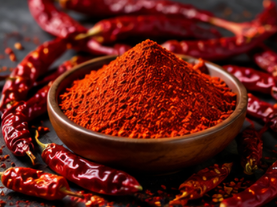
Chilli & Spice Powders
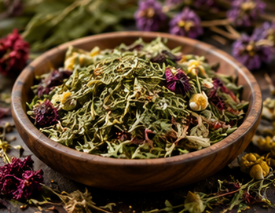
Dried Herbs & Botanicals
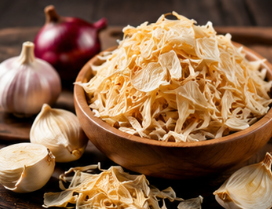
Dehydrated Onion & Garlic
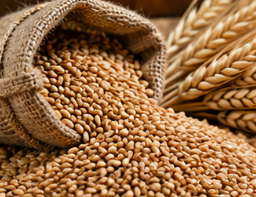
Cereal Grains
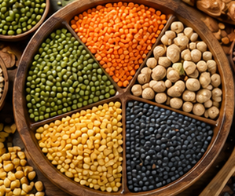
Pulses & Lentils
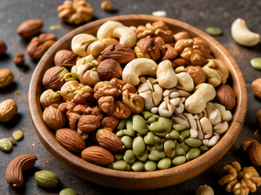
Nuts & Seeds
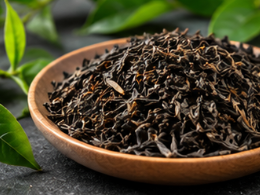
Tea Leaves
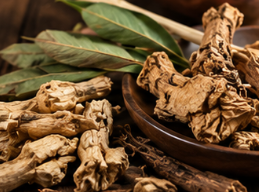
Medicinal Herbs
High Microbial Load
Sun-dried spices and herbs carry high levels of bacteria, moulds and yeasts from field and storage contamination. Natural steam treatment delivers log 6 microbial reduction — eliminating pathogens without degrading the product.
Export & Regulatory Compliance
Markets in Europe, the US and the Middle East apply strict microbial limits (FSSAI, FDA, BRC, EU food safety regulations) to imported spices and herbs. Treated product meets international standards and passes border inspection.
Short Shelf Life
Untreated spices degrade rapidly after milling due to residual microbial activity. Sterilization eliminates the organisms driving degradation — extending shelf life significantly while preserving sensory and nutritional qualities.
Validation & Documentation
Premium export, pharma and nutraceutical buyers require documented microbial treatment validation. HTST steam systems provide traceable, repeatable treatment logs that support quality system documentation and buyer audit requirements.
Every grinding problem has a root cause. MillNest reviews material behaviour and process conditions before selecting a technology route.
Heat Rise During Grinding
Heat-sensitive spices like chilli and turmeric lose volatile oils and colour when grinding generates excess temperature. Addressed through equipment selection, speed control and cooling integration.
Inconsistent Particle Size
Uneven output leads to product quality variation, formulation failures and customer rejections. Screen configuration, classification and rotor speed all influence final distribution.
Dust Generation
Uncontrolled dust creates hygiene risk, product loss, fire hazard and operator safety issues. Integrated de-dusting, bag filtration and enclosed design address this at the source.
Aroma & Colour Loss
Prolonged grinding time and heat exposure degrade essential oils and natural pigments. Low-heat milling routes and reduced residence time protect product sensory value.
Selection depends on feed material, target particle size, throughput, heat sensitivity and cleaning requirement. MillNest reviews these before any recommendation.
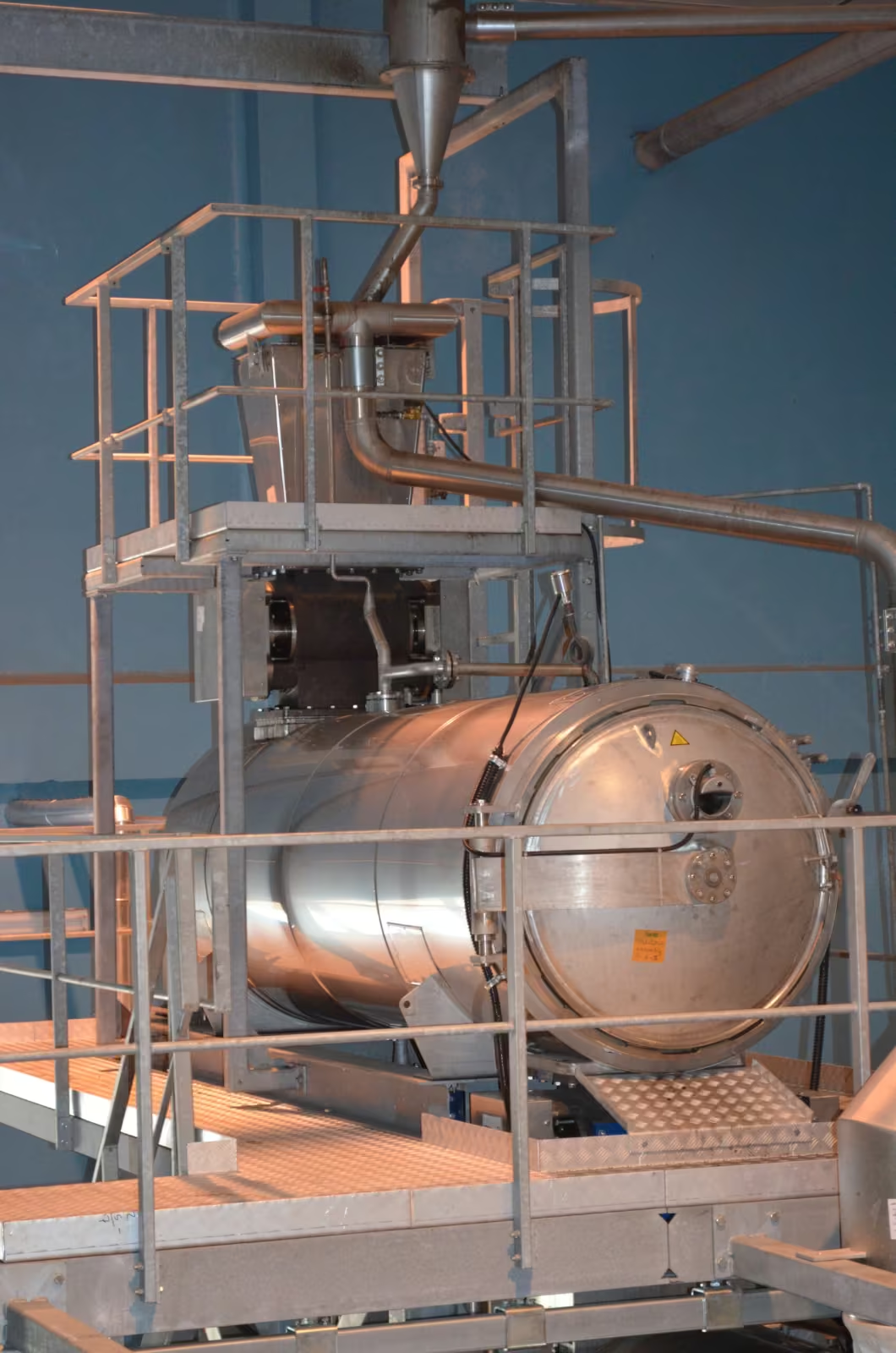
High-Temperature Steam Treatment
Eliminates all pathogens including resilient spores
- Whole Spices
- Dried Herbs
- Seeds & Pulses
- Ground Spices
- Export Quality
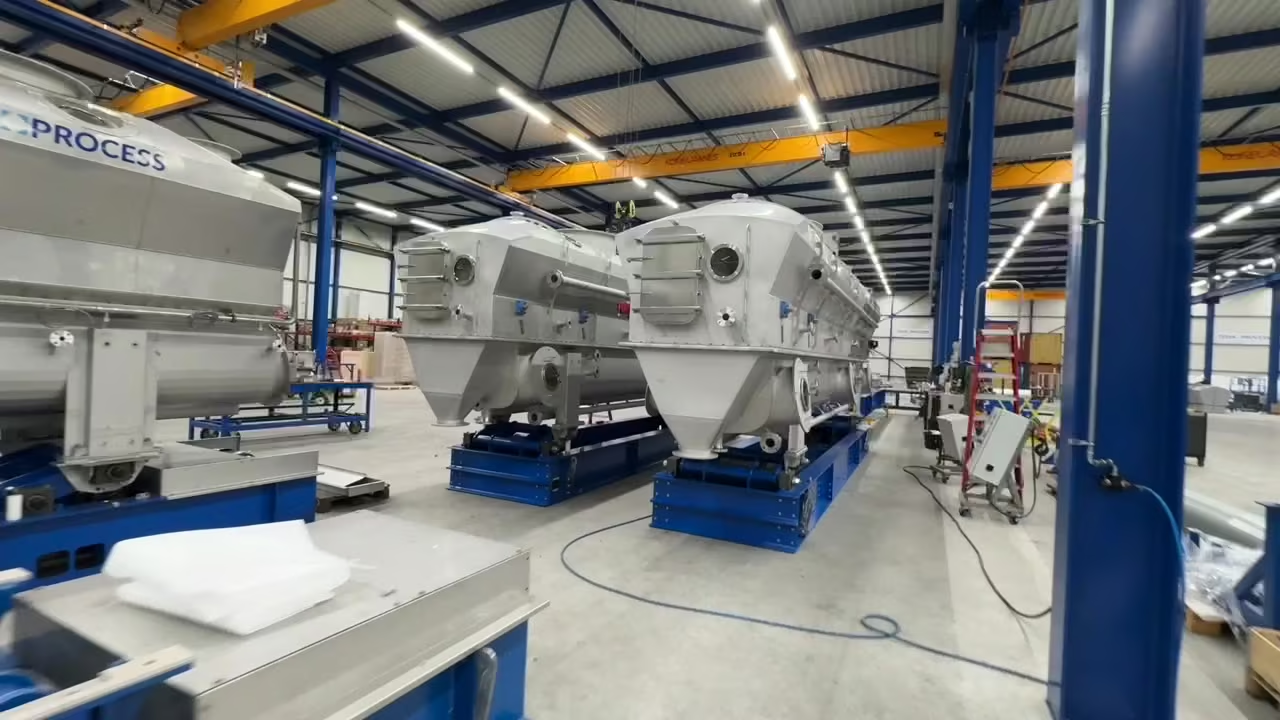
Low-Temperature Pathogen Reduction
Kills pathogens while preserving sensory quality
- Dehydrated Onion
- Dehydrated Garlic
- Nuts
- Botanicals
- Heat-Sensitive
Feed Material
Microbial Profile
Heavily contaminated sun-dried spices with high total plate counts and spore-forming bacteria require sterilization. Lower-risk materials may suit pasteurization.
Output Target
Aroma & Colour Tolerance
Ingredients where high-temperature exposure risks colour darkening or volatile oil loss may be better suited to pasteurization or require shorter sterilization cycles.
Process Conditions
Regulatory Standard
Export destinations with strict microbial limits (EU, US, Middle East) require full sterilization documentation. Premium domestic markets may accept pasteurization records.
Production Scale
Whole vs Ground
Whole spices, dried herbs and seeds are typically sterilized before grinding. Hygroscopic materials like dehydrated onion and garlic are pasteurized to preserve texture.
Quick Reference: Solution Summary
Use this as a starting point — engineering review required before final selection
| Parameter | Details |
|---|---|
| Suitable Materials | Spices (whole & ground), herbs, seeds, nuts, dehydrated vegetables, botanicals, nutraceutical ingredients |
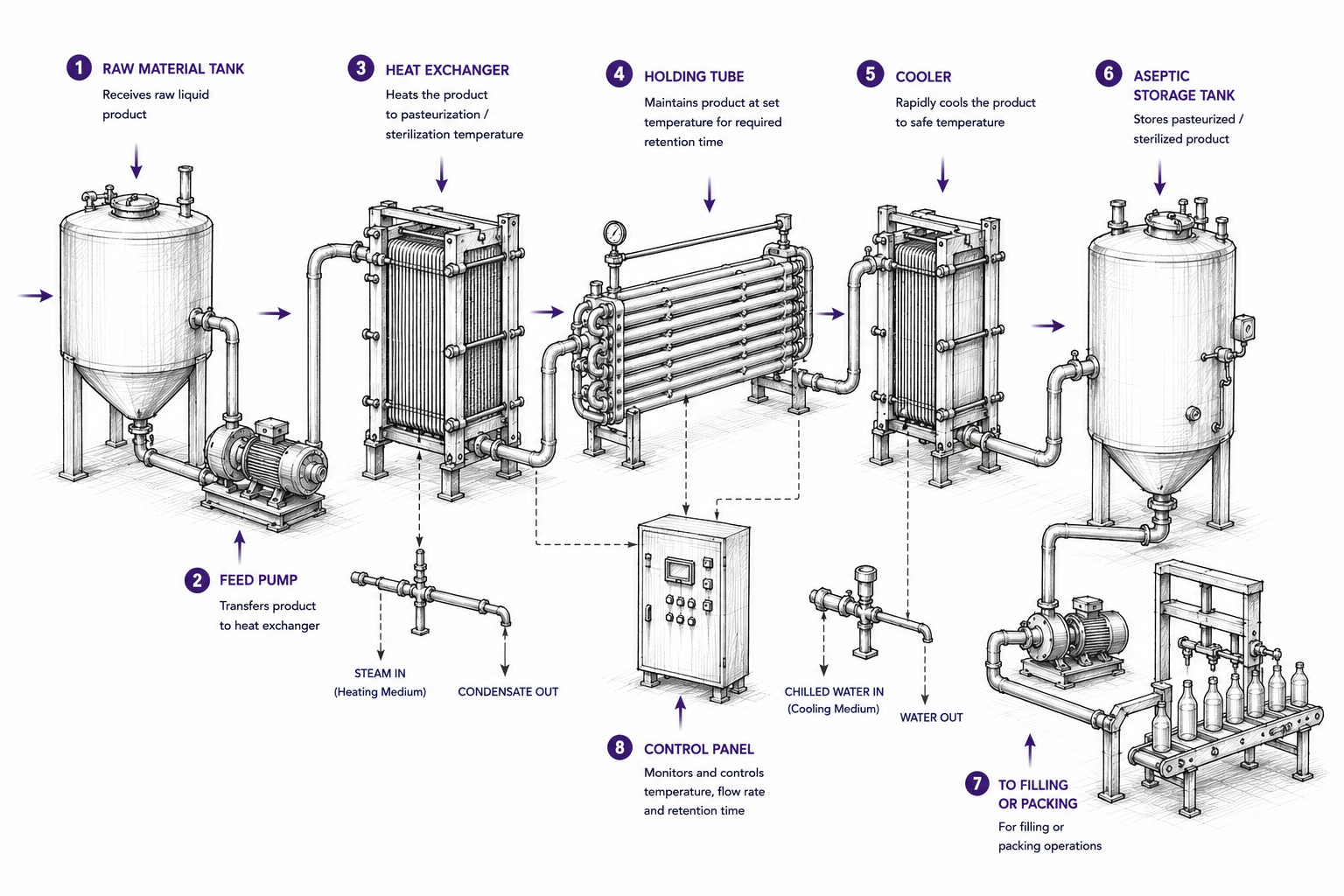
| Technology | Natural steam HTST — sterilization (102–122°C) or pasteurization (<100°C) |
| FBD System | Static fluid bed or shaking bed with plug-flow design |
| Treatment Time | 20–40 seconds (sterilization) / ~1 minute (pasteurization) |
| Quality Outcomes | Preserves colour, volatile oils, aroma and nutritional value |
| Technology Partner | TEMA Process B.V., Netherlands — HTST & FBD specialists |
| Next Step | Submit material details and contamination profile for review |
Pulverizing & Milling
Controlled particle size reduction from coarse grinding to fine and ultrafine powder.
Mixing & Blending
Uniform distribution of powders, granules, spices and specialty formulations.
Drying & Cooling
Moisture reduction, stabilisation and temperature conditioning for free-flowing powders.
De-Dusting & Filtration
Dust capture, product recovery and cleaner work environments for powder lines.
Material Handling & Conveying
Enclosed, hygienic transfer of powders and granules between process stages.
Weighing & Batching
Accurate dosing, recipe control and batch traceability for multi-ingredient production.
Granulation & Cutting
Controlled cutting and flaking for fibrous, tough and irregular materials.
Waste Heat Recovery
Recover usable heat from process exhaust where technically viable to reduce energy costs.