





In the industrial processing world, there is a dangerous misconception: “A mill is just a mill.”
Many processors believe that a high-speed grinder that works for wheat should work for cumin, and a system that de-hulls pulses should be equally effective for millets. This “generic” approach to machinery is the leading cause of poor product quality, high wastage, and lost nutritional value.
At Millnest, we advocate for a different philosophy: Product Behaviour–Based Processing. As a leading provider of Millnest processing machinery India, we understand that the physical and chemical “personality” of your raw material is the only way to engineer a system that protects its soul—whether that is the volatile oil in a black pepper corn or the delicate bran layer of a finger millet.
The Core Challenge: Why One Size Does Not Fit All
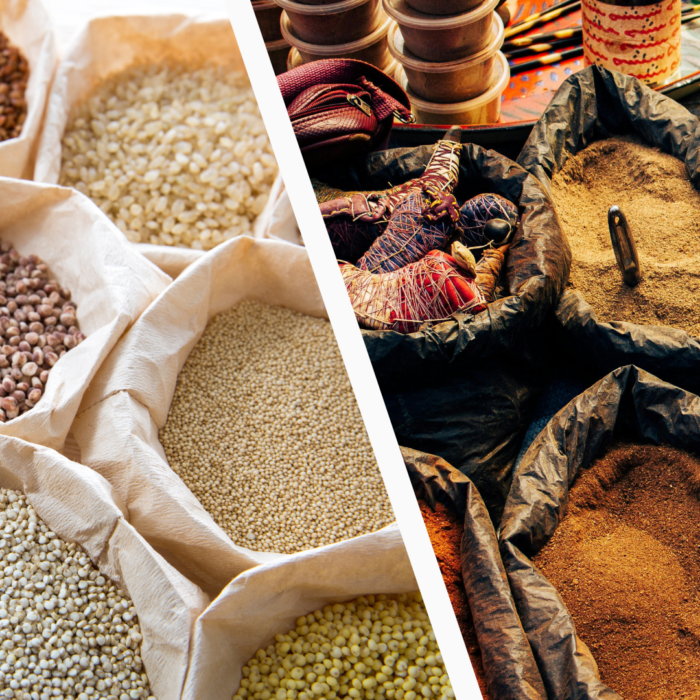
To understand why custom engineering is required, we must look at the two most popular, yet most difficult, materials in the Indian market: Spices and Millets. While both are staple commodities, their structural behavior during size reduction and processing is fundamentally different. This is where specialized Millnest processing machinery India makes the difference.
1. The Volatile Nature of Spices
Spices like cardamom, cloves, and cinnamon are valued for their “Volatile Oil Content” (VOC). These oils are what provide the aroma, flavor, and medicinal properties.
- The Problem: High-speed, generic grinders generate immense frictional heat.
- The Consequence: If the grinding chamber temperature exceeds 45°C–50°C, the volatile oils evaporate. You are left with a powder that lacks the “punch” and aroma, significantly reducing its market value.
2. The Tough Resilience of Millets
Millets—often called “Sree Anna” in India—are nutritionally superior but structurally stubborn. They have a hard outer husk and a nutrient-dense bran layer.
- The Problem: Generic milling often “shatters” the grain rather than precisely de-husking or grinding it.
- The Consequence: This leads to a high percentage of “fines” (waste) and the loss of the fiber-rich bran, turning a “superfood” into a refined, low-value powder.
Engineering for Spices: The Move to Dust-Free, Low-Temperature Systems
When engineering a dust-free spice grinding system, the goal isn’t just cleanliness—it’s thermal management.
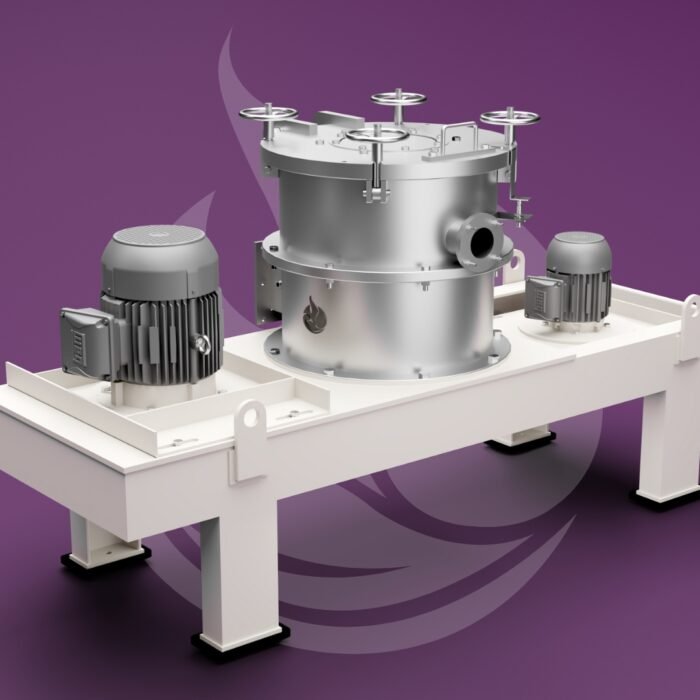
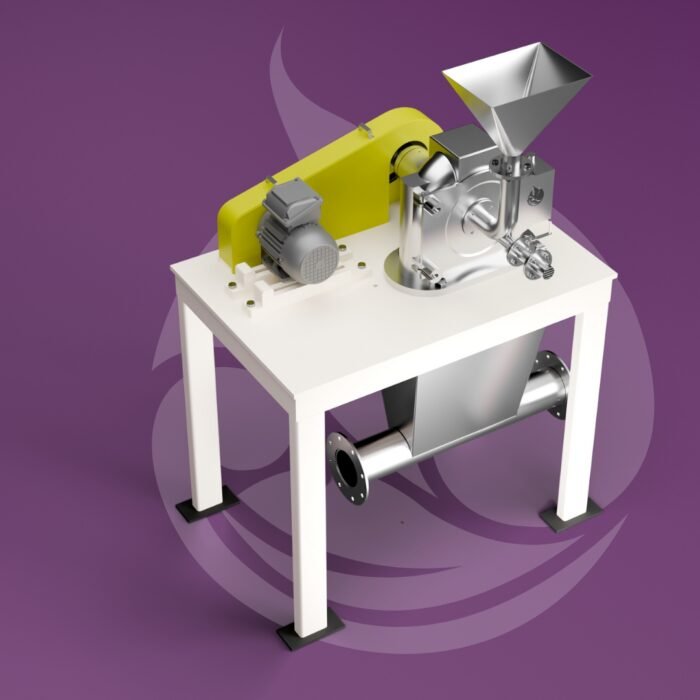
Controlled-Temperature Grinding Traditional hammer mills act like a closed oven. To protect spice quality, Millnest utilizes Air Classifying Mills (MACM). Unlike generic mills, the MACM—a flagship in the Millnest processing machinery India portfolio—uses a high volume of air to transport the material. This air acts as a constant cooling agent, ensuring the spice stays “cool” under pressure.
Eliminating the “Dust Tax” Spices are prone to creating fine, airborne dust which is not only a health hazard but also a loss of premium product. Our systems utilize integrated pulse-jet filtration to capture every gram of spice, retaining it in the final yield.
Engineering for Millets: Precision in Every Grain
The surge in demand for millet processing machinery India is driven by the need for “whole-grain” quality. Generic machinery simply cannot handle the diversity of millets, from Teff to Sorghum (Jowar).
Low-Impact Milling Millets require “Low-Impact” processing. Instead of aggressive shattering, our solutions focus on gradual size reduction. This preserves the starch structure and ensures that the flour (atta) retains its natural binding properties.
Customized De-husking and Cleaning Because millets vary in size and moisture content, a “static” machine will always fail. Millnest processing machinery India features adjustable clearances and variable speed drives (VFDs), ensuring maximum de-husking with minimum grain breakage.
The Millnest Philosophy: Product Behaviour–Based Processing
How do we determine the right machine for you? We look at three specific “Product Behaviours”:
- Oil and Moisture Content: High-oil products require specialized Cutter Mills to prevent “pasting.”
- Hardness (Mohs Scale): We select metallurgy based on abrasiveness to prevent metal contamination.
- Particle Size Distribution (PSD): We adjust the internal “Classifier” to ensure 99% of output falls within your target micron range.
The Business Impact: Why Customization is More Profitable
Investing in specialized millet processing machinery India or a dust-free spice grinding system may seem like a higher CAPEX, but the OPEX savings are undeniable:
- Yield Optimization: Reduce waste by 3–5%.
- Premium Pricing: Retain 100% of aroma and color for export markets.
- Energy Savings: Machines tuned to product behavior consume less power per ton.
Conclusion: Don’t Compromise on Your Raw Material
India is at the center of the global spice and millet revolution. To compete on the world stage, Indian processors must move away from generic machinery and embrace the precision of Millnest processing machinery India.
At Millnest, we don’t just manufacture machines; we study your product. Whether you are building a pilot plant or a massive turnkey spice plant, our goal is to ensure your machinery is as unique as your ingredients.
Protect your quality. Protect your margins.
🔗 Talk to a Millnest Engineer today about your product’s behavior: millnest.com
academy.millnest.com/