
Coriander Processing Plant : Equipment, Volatile Oil Retention & Export Compliance
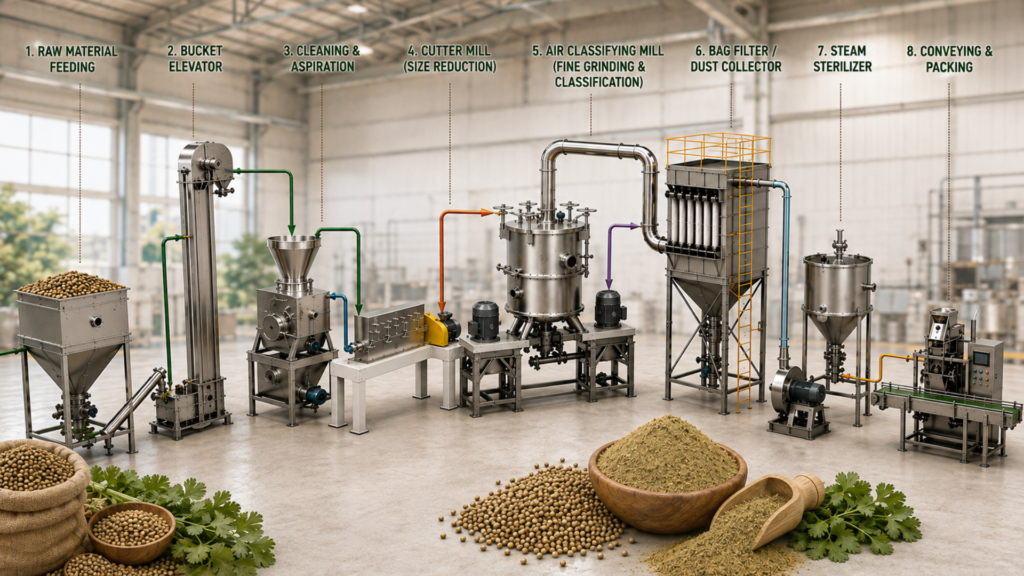
Setting up a coriander processing plant requires a clear decision upfront: are you producing whole or split coriander for export, coriander powder, or both? The two products share a raw material and a building. They share almost nothing about the equipment and line design required to produce them well. This guide covers the complete coriander […]
Dust-Free Processing: The Engineering Case for Integrated De-Dusting in Spice Plants
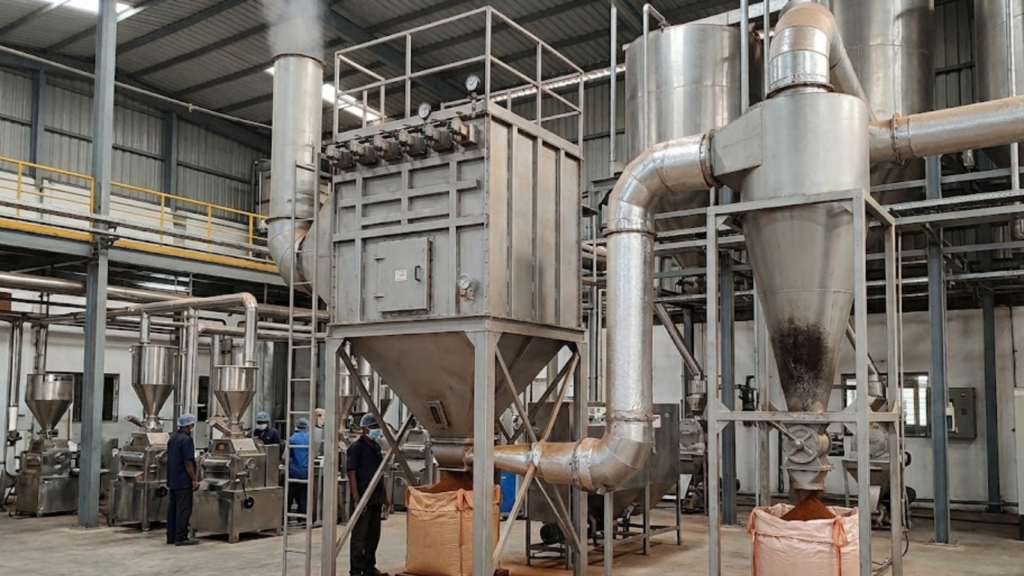
Dust-Free Processing: The Engineering Case for Integrated De-Dusting in Spice Plants In a spice processing plant, dust is so constant that it stops being noticed. A fine haze around the mill, a film on the rafters, a layer on the packing tables — it reads as simply part of the work. But that ambient dust […]
The Complete Guide to Spice Processing Plant Modernisation: Retrofit, Refurbish, or Replace?
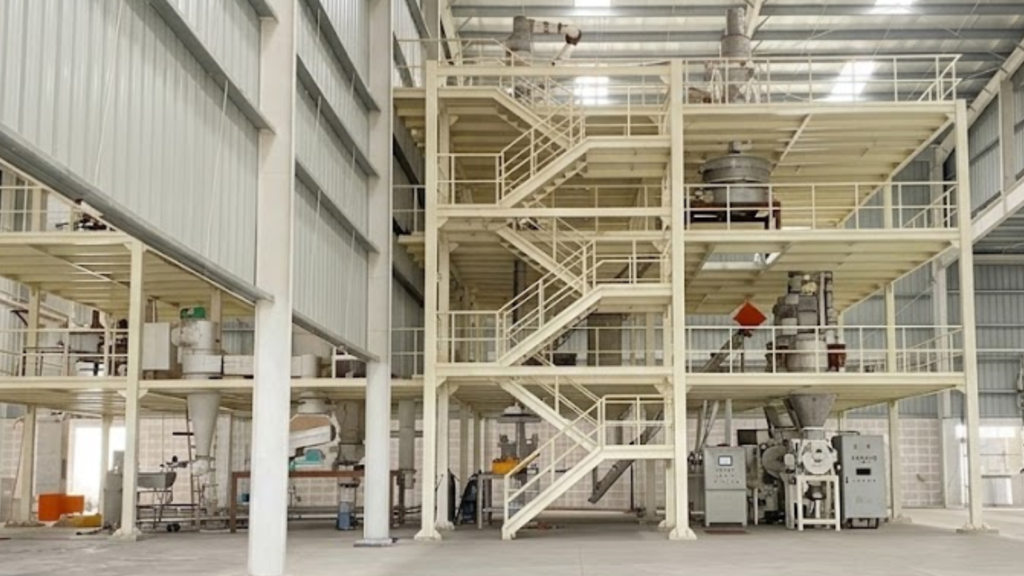
Spice Processing Plant Modernisation Guide : Retrofit, Refurbish, or Replace? Every spice plant owner reaches the same inflection point eventually.The machines are older. Maintenance costs are climbing. A compliance notice has arrived, or a large buyer has asked questions about your facility that you couldn’t answer confidently. The equipment is still running — but something needs […]
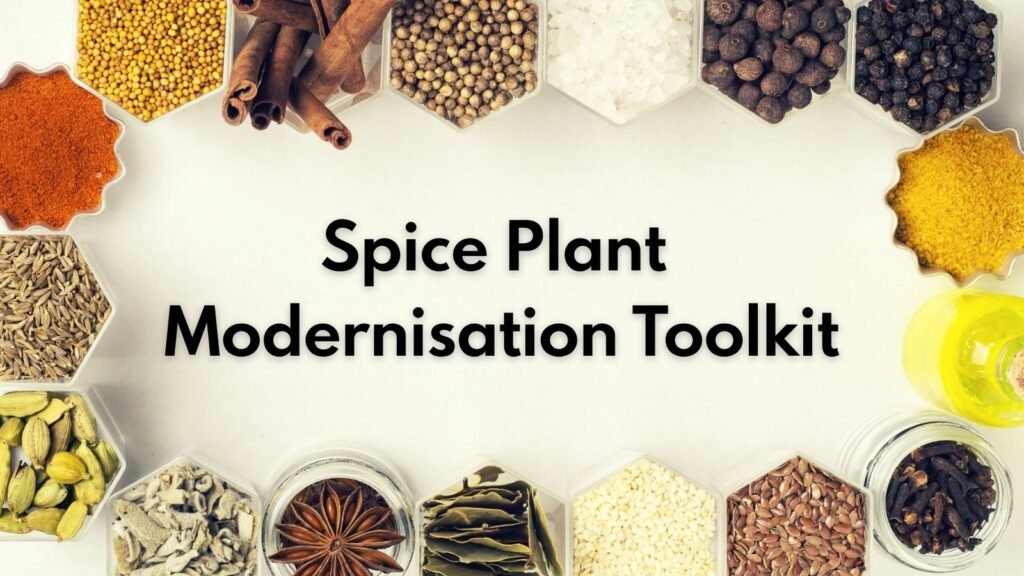
MillNest Modernization Toolkit
Turmeric Oleoresin Extraction: How Your Grinding Equipment Directly Impacts Yield & Purity
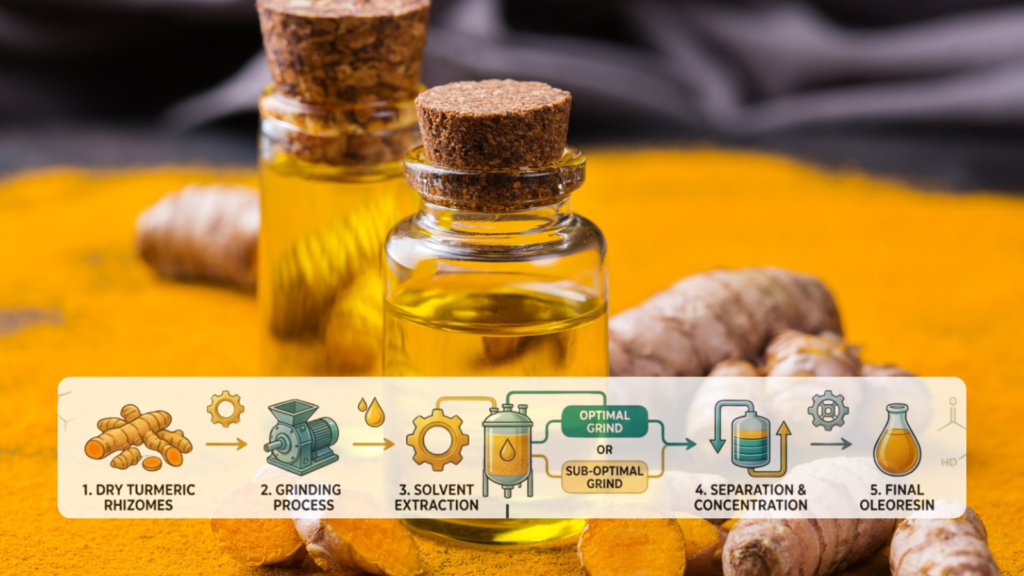
Introduction: The Oleoresin Opportunity India is the world’s largest producer and exporter of turmeric. For most processors, turmeric means powder — dried, ground, packed, and sold. But there is a parallel market that commands significantly higher value: turmeric oleoresin Extraction. Oleoresin is the concentrated extract of turmeric’s bioactive and aromatic compounds — primarily curcuminoids (curcumin, […]
MillNest Hammer Mill (MHAM) vs Traditional Stone Grinding: Which Preserves Spice Quality Better?

India processes over 1.5 million tonnes of spices annually, and the grinder at the heart of that process determines more about end product quality than almost any other piece of equipment on the floor. Choose the wrong grinding method and you sacrifice aroma, elevate contamination risk, burn energy you cannot recover, and deliver inconsistent particle […]
Why Millets and Spices Need Different Processing Machinery to Protect Quality
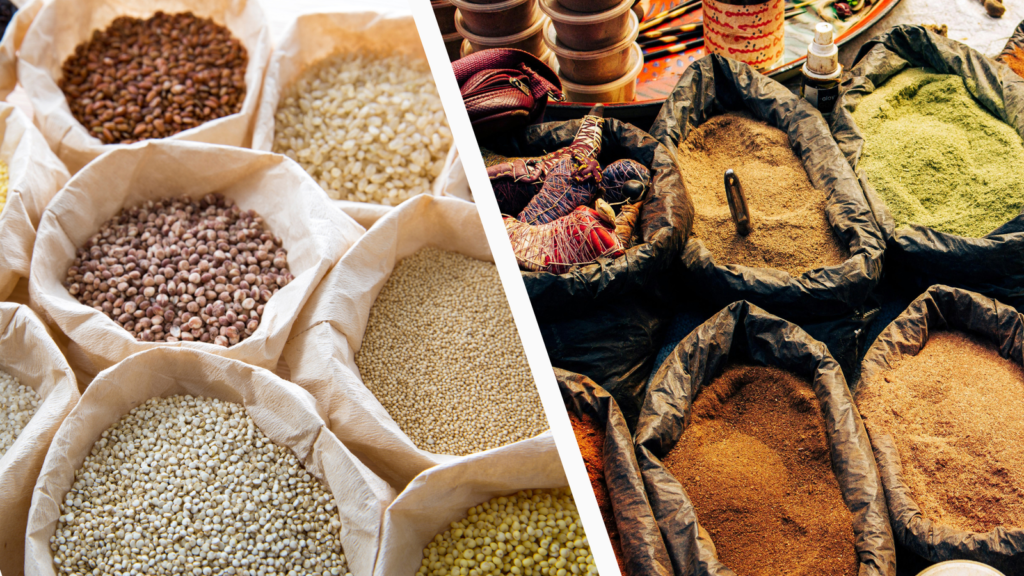
In the industrial processing world, there is a dangerous misconception: “A mill is just a mill.” Many processors believe that a high-speed grinder that works for wheat should work for cumin, and a system that de-hulls pulses should be equally effective for millets. This “generic” approach to machinery is the leading cause of poor product […]
The Science of Spice Drying: Preserving Quality While Scaling Production

Moisture content might seem like a minor technical detail, but in spice processing, it determines everything from shelf life and microbial safety to flavor intensity and market value. A perfectly ground spice blend loses its premium positioning if improper drying compromises its aromatic profile or creates quality degradation during storage. Yet scaling drying operations while […]
Complete Guide to Turnkey Spice Processing Solutions: From Planning to Production

The spice processing industry demands precision, efficiency, and adherence to stringent quality standards. For businesses looking to establish or upgrade their spice processing facilities, turnkey solutions offer a streamlined path from concept to commercial production. This comprehensive guide explores how turnkey spice processing solutions can transform your business vision into a fully operational reality. What […]
How Recipe Management Systems Can Transform Your Spice Business: The MillNest Advantage

If you’re in the spice processing business, you already know the challenge: maintaining absolute consistency across thousands of batches while scaling production, controlling costs, and meeting increasingly stringent quality standards. It’s a balancing act that keeps many processors awake at night. This challenge is familiar across spice manufacturers throughout India. The difference between thriving businesses […]