
- Home /
- Process Solutions
End-to-End Engineering for Every Powder Process
MillNest engineers powder processing solutions across nine disciplines — from the first size reduction step through sterilization, blending, drying, conveying and packing. Each solution is designed around the specific mechanism the application requires, not assembled from a catalogue of available equipment.
9 Solution Areas
Turnkey EPC
Material Trial
Multiple Industries served
Mechanism-matched mill selection for every material
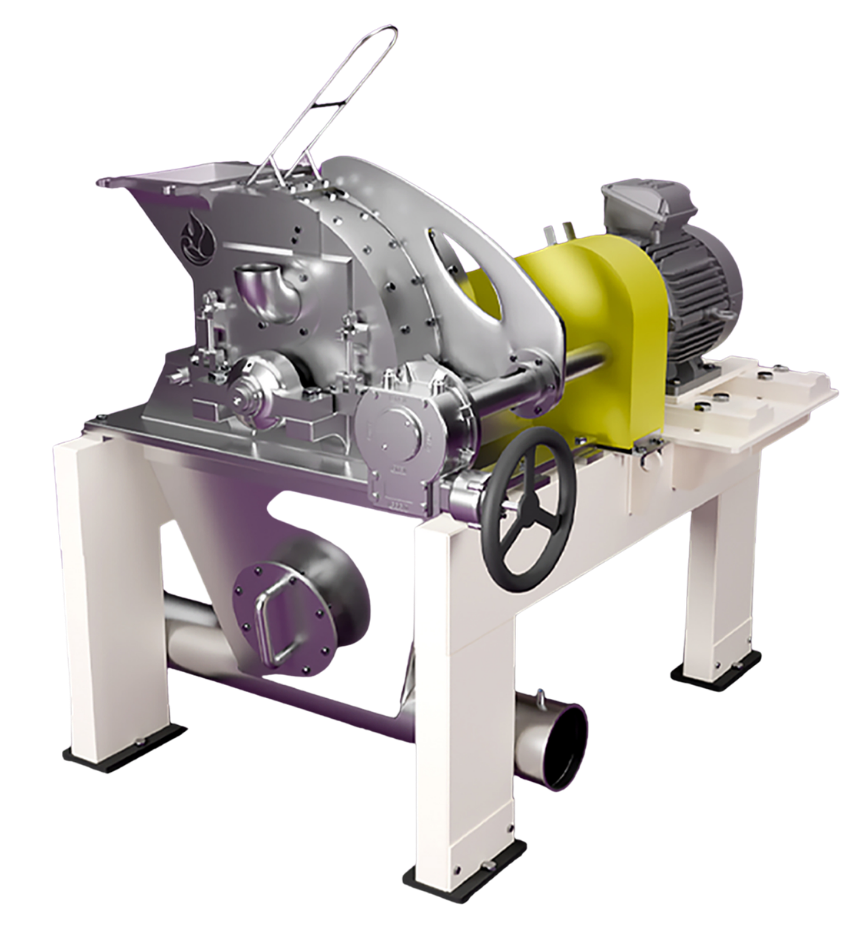
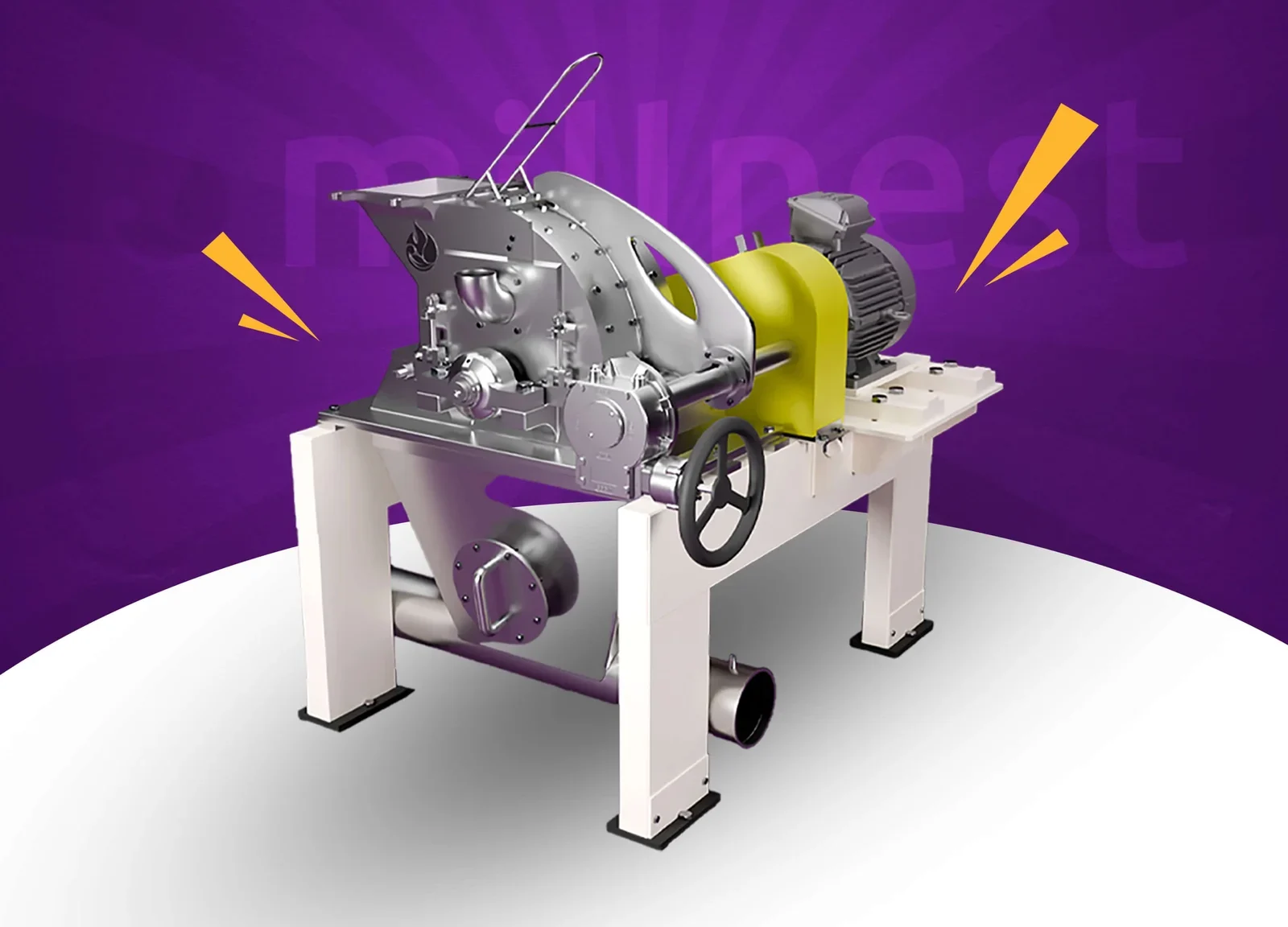
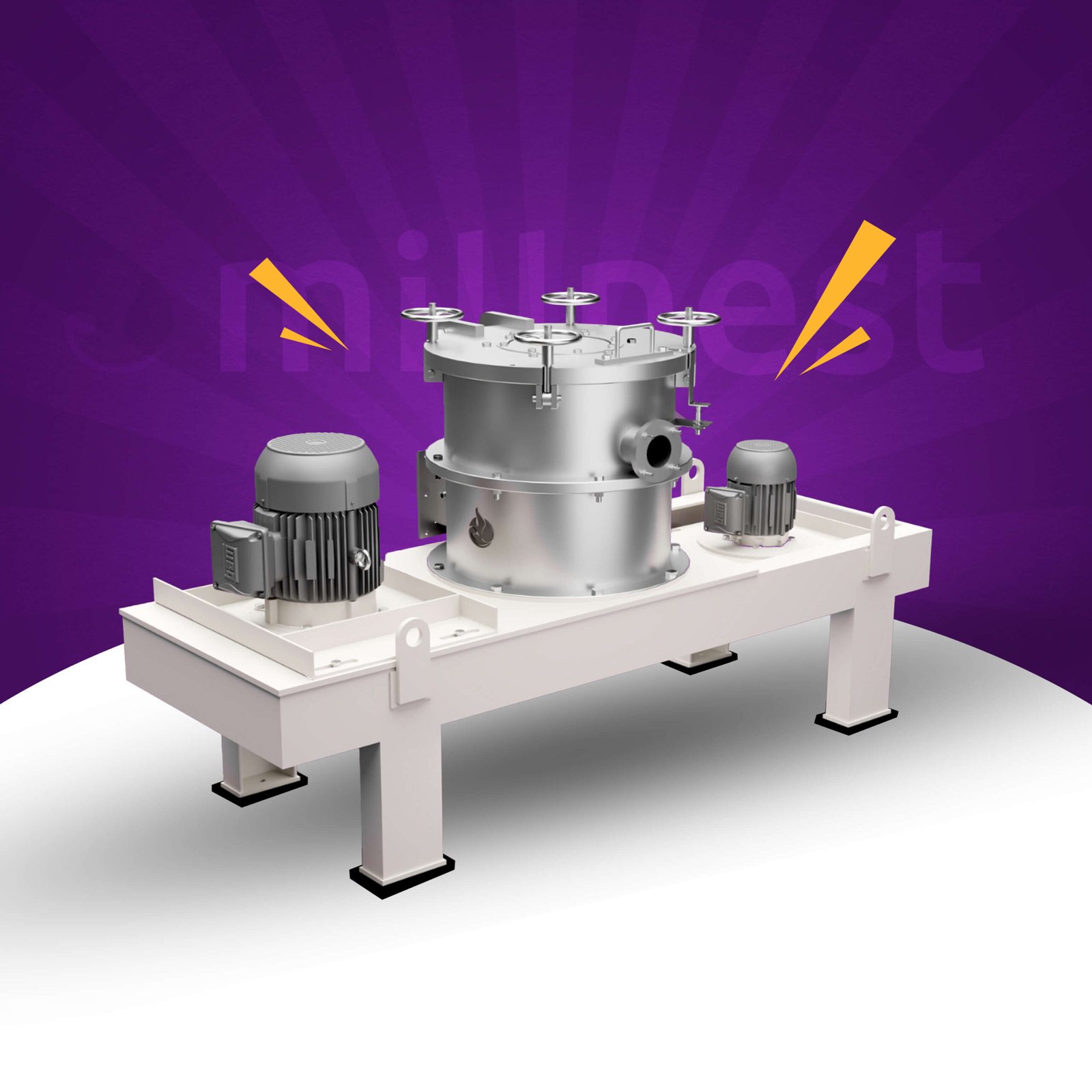
The correct milling solution is not the most powerful machine available — it is the machine whose fracture mechanism matches the material’s physical structure. Impact for free-flowing dry spices; classification-controlled grinding for D90-specified applications; multi-mode for heat-sensitive ingredients. MillNest engineers the mill selection around the material before specifying any equipment.
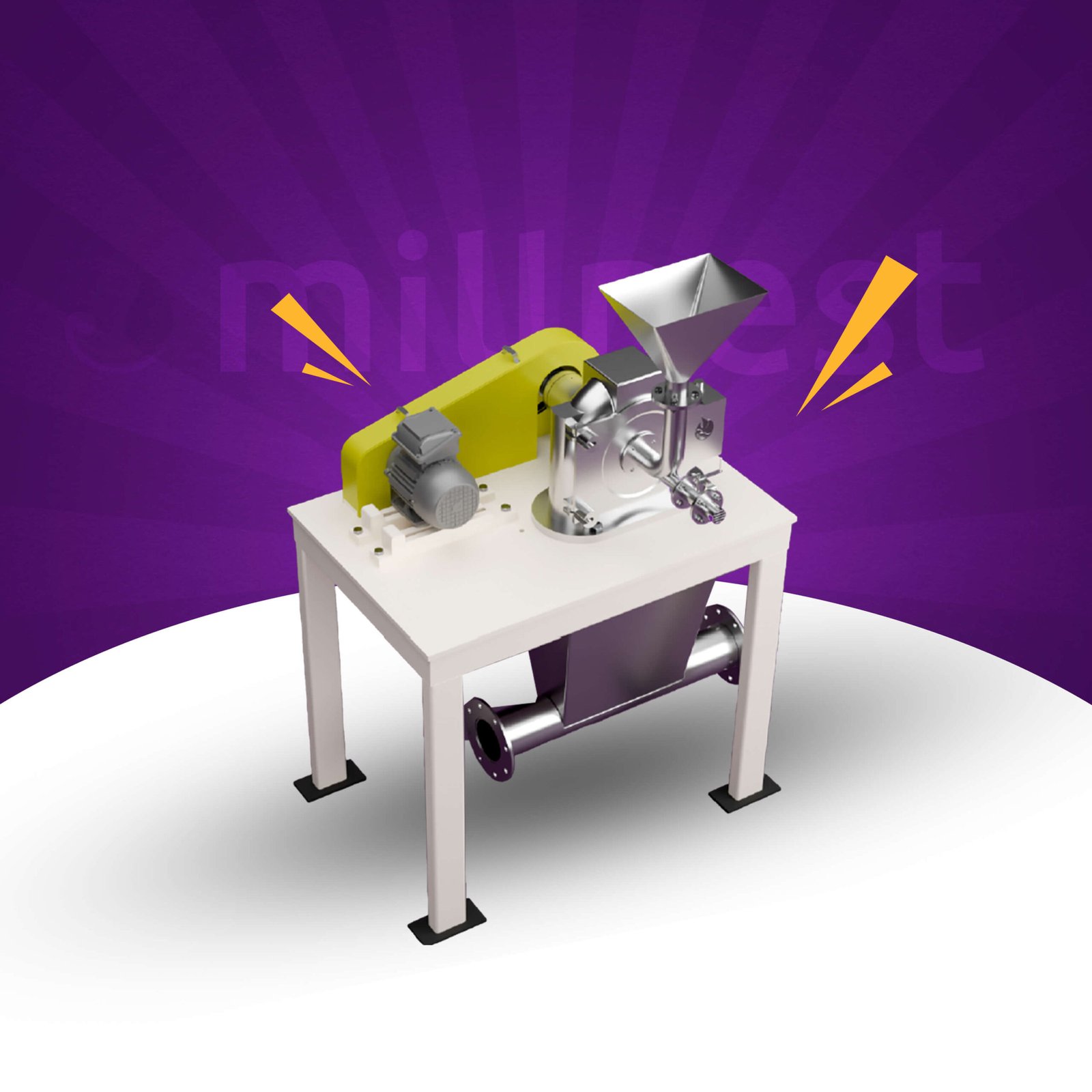
Scissor-cut for fibrous and leafy materials
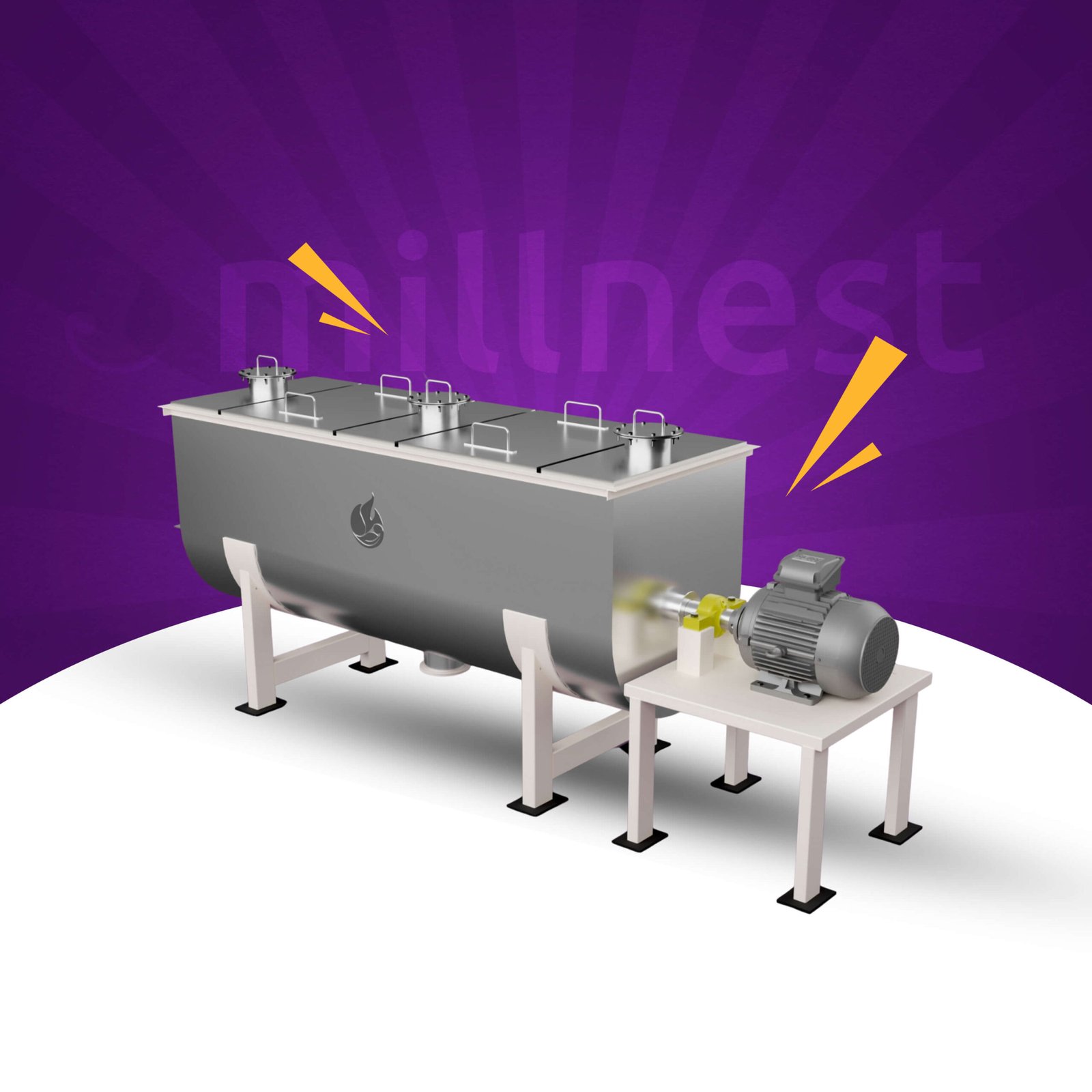
Material cohesivity determines blender selection
Free-flowing dry powders blend efficiently in a ribbon blender. Cohesive, moist or sticky materials require the three-dimensional paddle or plough action that a ribbon cannot provide. Caked material needs a delumper before it enters either blender. MillNest selects the mechanism based on the material’s measured flow characteristics — not on price or availability.
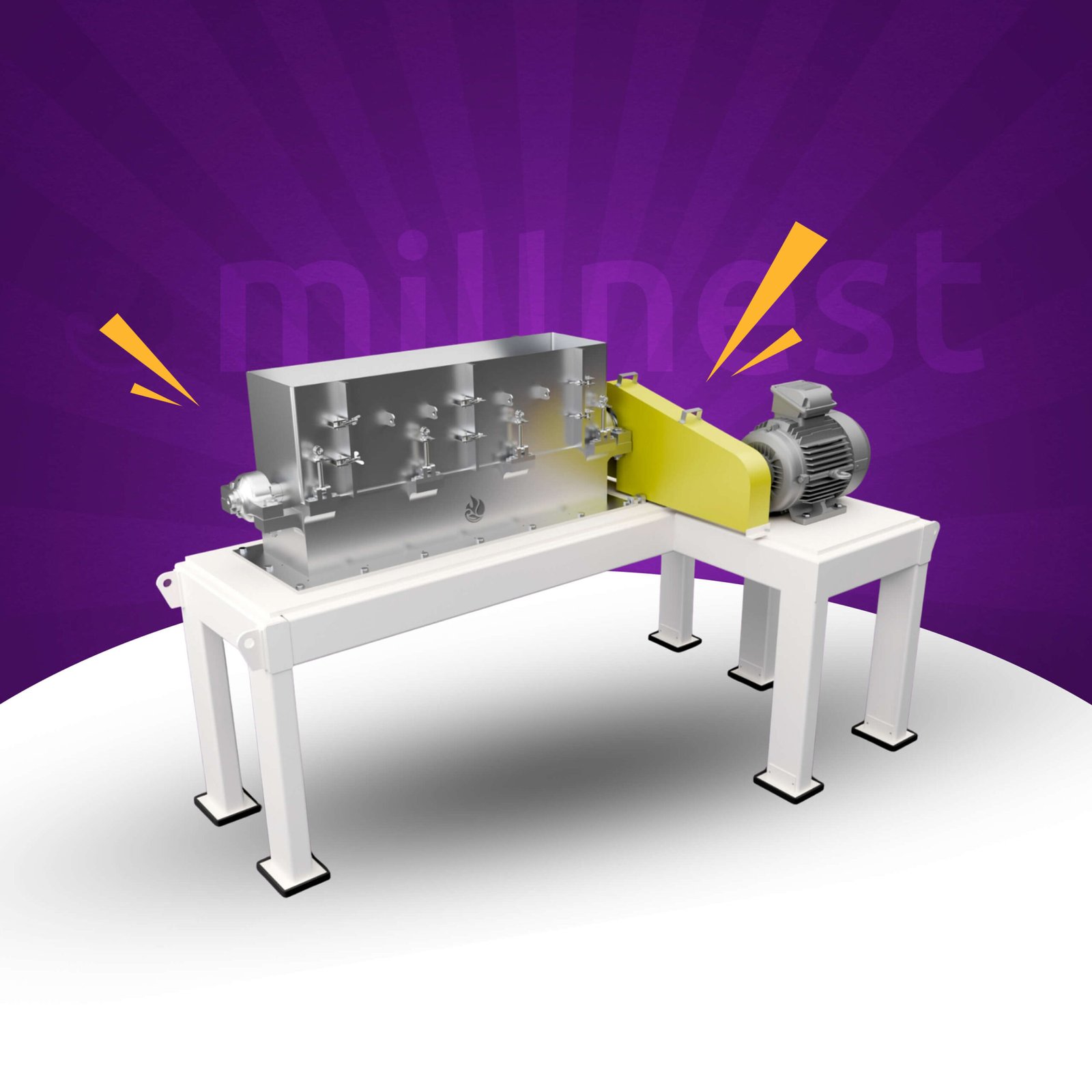
Therma Process HT-ST — Log 6 with quality intact
Therma Process (formerly TEMA Process B.V.) natural steam HT-ST technology at 102–122°C for 20–40 seconds achieves Salmonella absence and Log 6 microbial reduction in dry spices and seeds without chemical fumigants or irradiation. For heat-sensitive materials — dehydrated onion, garlic, dried herbs — the same system operates at 85–98°C pasteurization parameters. MillNest is the authorised India partner for Therma Process.
- Sterilizer
- Pasteurizer
- Fluid Bed Dryer
The equipment between the machines — conveying, weighing, de-dusting and heat recovery — determines whether a processing line runs at its rated throughput or whether it produces bottlenecks, waste and energy loss at every transfer point.
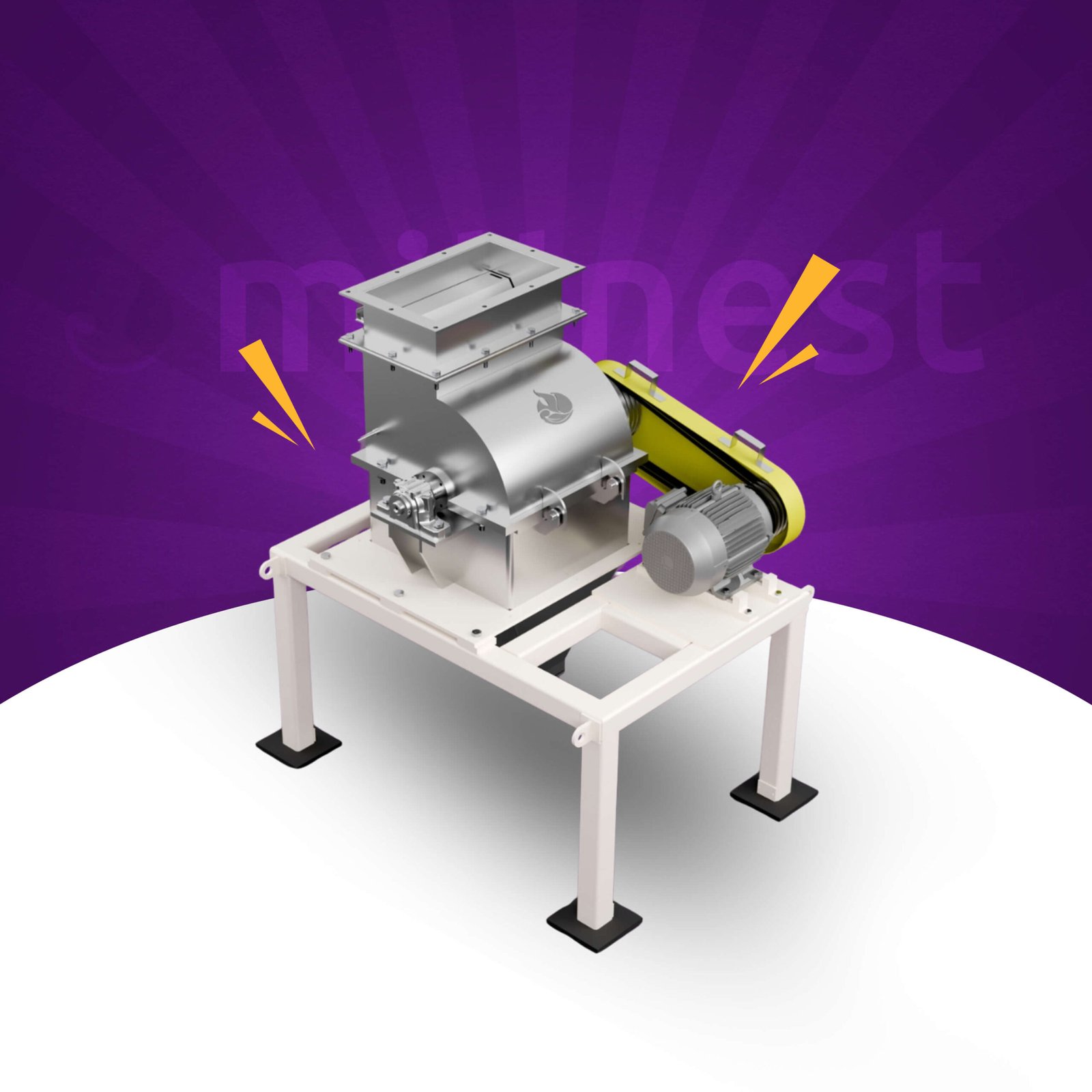
Powder transfer without degradation or contamination
Pneumatic and mechanical conveying systems move powder between process stages without open handling, cross-contamination risk or particle size degradation. Pneumatic dense-phase conveying for fine powders; screw and bucket elevator conveying for granular and whole-product transfer. Each system matched to the material’s bulk density, particle size and hygroscopicity.
- Pneumatic Conveying
- Screw Conveyor
- Bucket Elevator
Accurate dosing from recipe to packing
- Loss-in-Weight
- Feeder Auto-Weigher
- Checkweigher
Fines recovery and dust containment at every stage
Cyclone separators and pulse jet bag filters capture airborne fines generated at every grinding, conveying and transfer stage. In spice powder processing, the finest particles carry the highest volatile oil content — recovering them to the product rather than losing them to the exhaust filter preserves both yield and aroma specification. ATEX-rated systems available for flammable dust categories.
- Cyclone Separator Pulse
- Jet Bag Filter
Dryer exhaust energy returned to the process
Fluid bed dryers and sterilizers exhaust significant thermal energy in the outlet air and steam condensate streams. Heat recovery systems — recuperative air-to-air heat exchangers and condensate return circuits — capture this energy and return it to the inlet air stream, reducing the external heat input required per kilogram of product dried. In continuous production lines, heat recovery typically reduces dryer energy consumption by 20–35%.
- Air-to-Air Recuperator
- Condensate Return
Turnkey EPC — single responsibility for design, supply, installation and commissioning of the complete line from raw material intake to packed product.
Complete Processing Lines — Single Responsibility from Intake to Pack
MillNest takes single-point responsibility for the complete processing line — design, equipment supply, civil coordination, installation and commissioning. The outcome is a line that operates at specified throughput and product quality from the first production run, not one assembled from the lowest-bid equipment at each stage.
- Process design and equipment selection before any purchase order — validated with material trials at each stage
- Single supplier for all stages — no coordination gap between milling, sterilization and blending equipment suppliers
- Therma Process sterilization and pasteurization integrated as a standard MillNest offering — not a subcontracted third-party
- Commissioning acceptance testing against agreed throughput, particle size and microbial specification targets
- After-sales support — spares inventory, service contracts and operator training
Not sure which solution fits your process?
Share your material, the target output specification, throughput requirement and the export market you are producing for. Our process engineers will identify the right solution sequence and confirm it with material trials before any capital commitment.