
Coriander Processing PLANT
Coriander is India’s most widely consumed spice powder — and one of the most technically underestimated to process correctly. The seed carries 0.2–1.5% volatile oil containing linalool, geranyl acetate and terpinene — the compounds responsible for its characteristic aroma. Every stage of the processing line from cleaning through to packing either retains or depletes these compounds. MillNest designs coriander processing lines around aroma retention, fineness specification and the specific seed variety being processed.
Volatile oil retention
Low-heat aroma-protective grinding
Fineness from coarse to 80 mesh
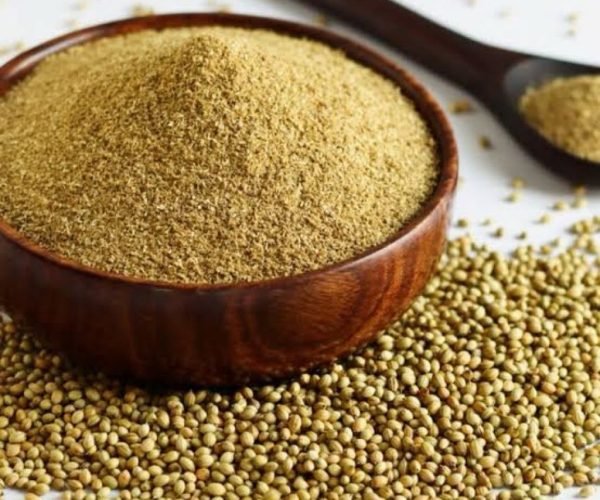
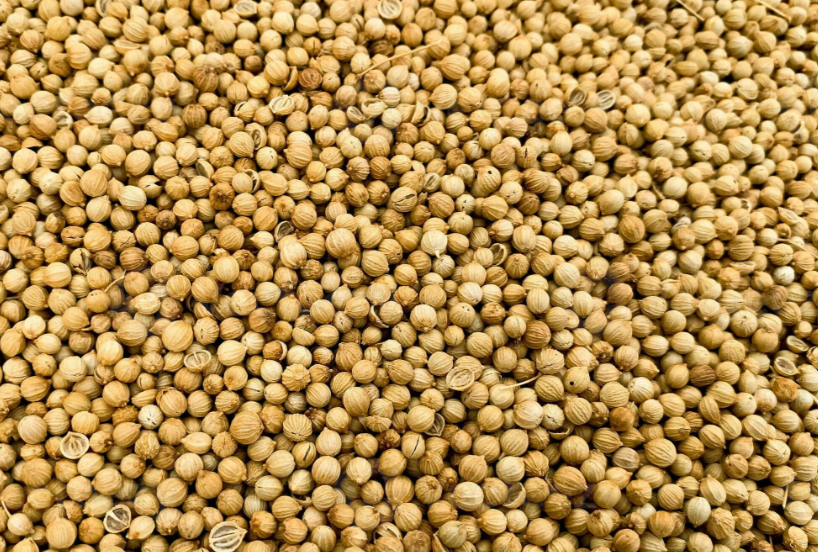
Eagle 65 (Rajasthan)
Large bold seed, high volatile oil content. Premium aroma grade. Primary export variety. Processed for whole seed, coarse powder and fine powder.
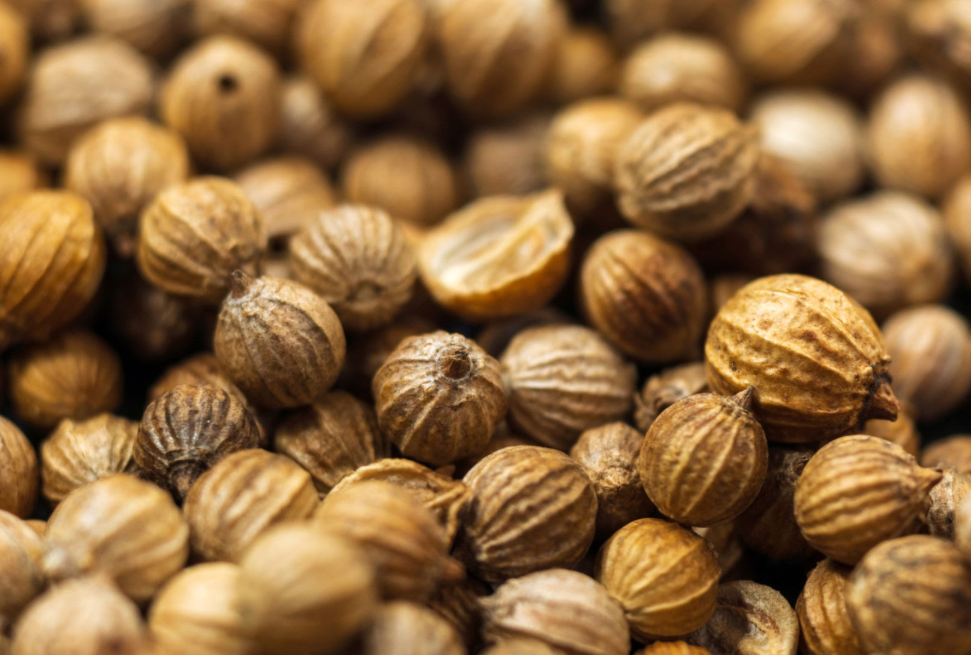
Rajendra Swati (UP/MP)
Medium seed, moderate oil. High-yield variety suited to large-scale commercial powder production. Good aroma-to-yield balance.
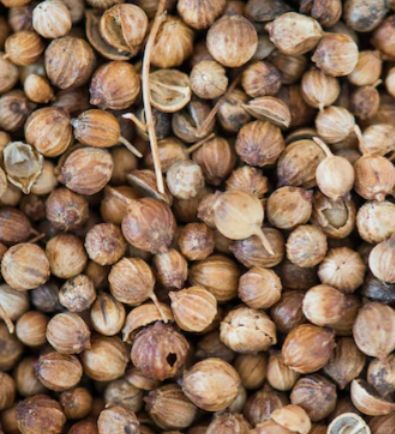
CO-4 (Tamil Nadu)
Small round seed, lower oil content than northern varieties. Suited for domestic powder use. Requires different grinding configuration due to smaller seed diameter.
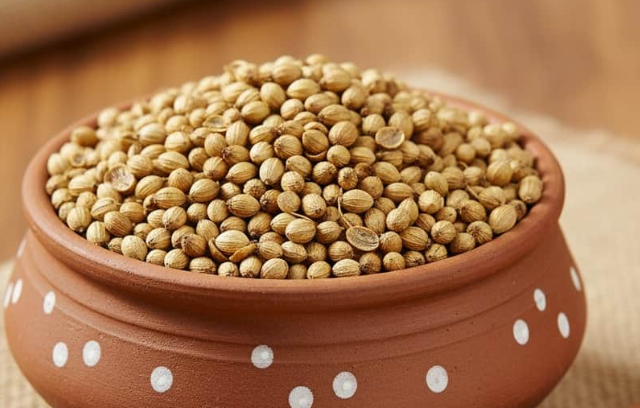
Hisar Sugandh (Haryana)
High volatile oil content, distinctive aroma. Developed for oil extraction and premium powder. Lower yielding but higher value per tonne.
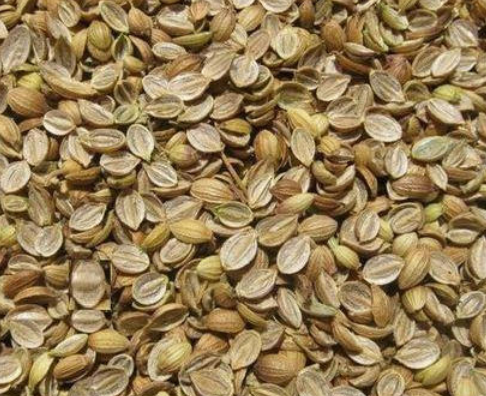
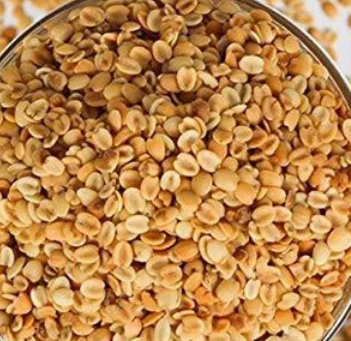
Split Dhaniya (Roasted)
Pre-roasted split seed for sambar and curry powder blends. Roasting changes the grinding character significantly — requires post-roast trial before mill configuration.
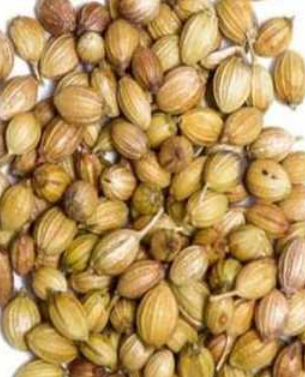
Export Blended Grades
Multi-variety blends to hit buyer specifications for volatile oil content, colour value (L*a*b*) and fineness. Standard for export powder contracts.
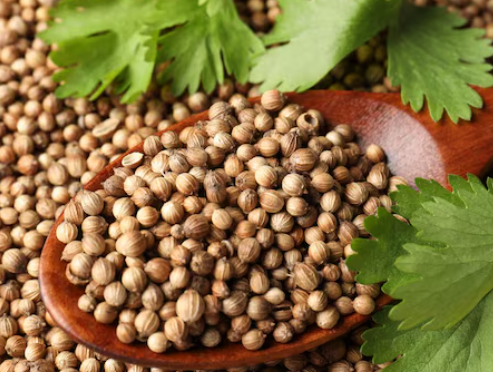
Dhani (Himachal)
Small, thin-walled. High volatile oil content. Processed for local powders and pickles. Low throughput applications.
Blended Grades
Multi-variety blends to hit target ASTA, moisture and capsaicin specifications. Common in export and branded powder lines.
Volatile oil loss is cumulative — each stage where heat, friction or prolonged exposure occurs reduces the aroma value of the finished powder. The line design must manage temperature at every transfer point, not just in the mill itself.
Volatile Oil Content
Target: 0.3–1.0 ml/100g for premium grades
The single most important quality parameter for export and industrial coriander powder. Volatile oil is measured by steam distillation. High oil content commands a price premium. Hammer mill grinding generates more heat than pin mill grinding, which can reduce volatile oil content — equipment selection and cooling configuration both affect the final oil yield in the powder.
Colour Value (L*a*b*)
Specification: L* 60–75, positive a* and b*
Coriander powder colour ranges from pale yellowish-green in fresh, well-processed powder to brownish-beige in over-milled or poorly stored material. Excessive heat during grinding increases the browning index measurably. Moisture content at the time of milling, rotor speed and the number of passes through the mill all affect final colour. Export buyers specify L*, a* and b* colour values for premium grades.
Fineness (Mesh / Particle Size)
Common grades: 30, 40, 60, 80 mesh
Fineness specification is set by the end application — 30–40 mesh for household powder, 60 mesh for branded spice blends, 80 mesh for masala premix use. Coriander's relatively hard seed hull means it requires more grinding energy per unit output than soft spices. Screen wear is a consistent problem on high-throughput coriander lines — particle size monitoring at regular intervals is essential to catch drift before it reaches the buyer.
Moisture Content
Specification: typically 10% max (AGMARK)
Moisture in the incoming seed directly affects grinding behaviour and volatile oil retention. Seeds above 12% moisture grind poorly — they smear rather than fracture — and the milling temperatures are higher for the same output. Seeds below 8% are brittle but generate excessive fines. Moisture conditioning to the target range before the mill is one of the most controllable steps for protecting volatile oil and achieving consistent fineness output.
Foreign Matter & Extraneous Material
AGMARK: ≤1% total extraneous matter
Stones that reach the mill damage screens and generate metallic contamination. Stems and foreign seeds reduce aroma quality per unit weight and introduce colour variation. Effective cleaning — aspiration, destoning, magnetic separation — before the grinding stage protects mill internals and improves the uniformity of the ground powder. Cleaning quality also directly affects compliance with AGMARK and FSSAI standards for exported coriander powder.
Microbial Load
EU/US import: TPC typically <10⁵ CFU/g
Field-dried coriander seed carries microbial contamination from soil contact, open storage and handling. Export markets — particularly EU and US — apply microbial limits to imported coriander powder and will reject shipments without validated treatment records. Natural steam pasteurization at temperatures below 100°C treats coriander with lower risk to volatile oil than full sterilization, preserving aroma compounds while meeting export microbial requirements.
Stone removal, aspiration and moisture conditioning
BELT
Belt Conveyor & Bucket Elevator
Seed intake, elevation to cleaning section — continuous controlled feed rate to the processing line
ASPIR
Aspirator & Cyclone
Air separation of dust, stems and lightweight foreign material before seed reaches the grinding section
Aroma-protective size reduction with controlled heat
MHAM
Hammer Mill (×2 stages)
Primary and secondary size reduction — low-heat rotor configuration, interchangeable screens for fineness grades
MUNI
Universal Mill
Alternative for fine or export grades — multi-mode milling allows impact vs shear selection to optimise volatile oil retention
PNEU
Pneumatic Inter-Stage Transfer
Heat dissipation between milling stages — prevents cumulative temperature build-up across the grinding sequence
Low-temperature pasteurization for volatile oil preservation
PAST
Natural Steam Pasteurizer
Below 100°C treatment — pathogen reduction with lower volatile oil loss than full sterilization temperatures
FBD
Fluid Bed Dryer
Post-pasteurization moisture removal — controlled drying to target moisture before milling or packing
Specification control and variety blending for consistent aroma grade
Sifting after the final milling stage ensures only on-specification material proceeds — oversize is returned to the secondary mill rather than diluting the fineness of the finished batch. For lines producing multiple mesh grades from a single seed source, the sifter deck configuration is changed between runs. Ribbon blending combines different seed varieties or production batches to hit a specified volatile oil content or colour value for branded and export coriander powder contracts — similar to chilli blending for ASTA specification. Prompt sealed packing after blending is the final step in protecting volatile oil from evaporation loss before the product reaches the consumer.
SIFT
Rotary Sifter
Particle size separation — on-spec powder to blending, oversize returned to secondary mill
MRBL
Ribbon Blender
Variety blending to volatile oil and colour specification — load cell weighing, sealed discharge to packing
Protect aroma. Achieve consistent fineness.
Tell us your processing goals.
Coriander’s essential oils are sensitive to excessive grinding temperatures. Share your product specifications and production targets, and MillNest will design a processing line that helps retain aroma while delivering the particle size your market demands.