
Protein & Nutraceutical Powders
Protein and nutraceutical powder blending is not a simple mixing application. When a label says “25g protein per serving” or “500mg vitamin C per serving”, that quantity must be accurate in every individual scoop or sachet — not just on average across the batch. A blend that is analytically uniform at the 10 kg sample level can contain measurable serving-to-serving variation at 30g that a customer notices in taste, texture or effect. The processing line — ingredient milling, blending sequence, micro-dosing of actives and moisture-sealed packing — determines whether label claims are met at the serving level where they actually matter.
Serving-level blend uniformity
Micro-dosing for label claim accuracy
Hygroscopic powder handling

Whey Protein Blends
High-volume carrier in most sports nutrition blends. Hygroscopic — moisture uptake causes clumping and reduces dispersibility. Blender fill ratio and discharge design both affect serving-to-serving uniformity.
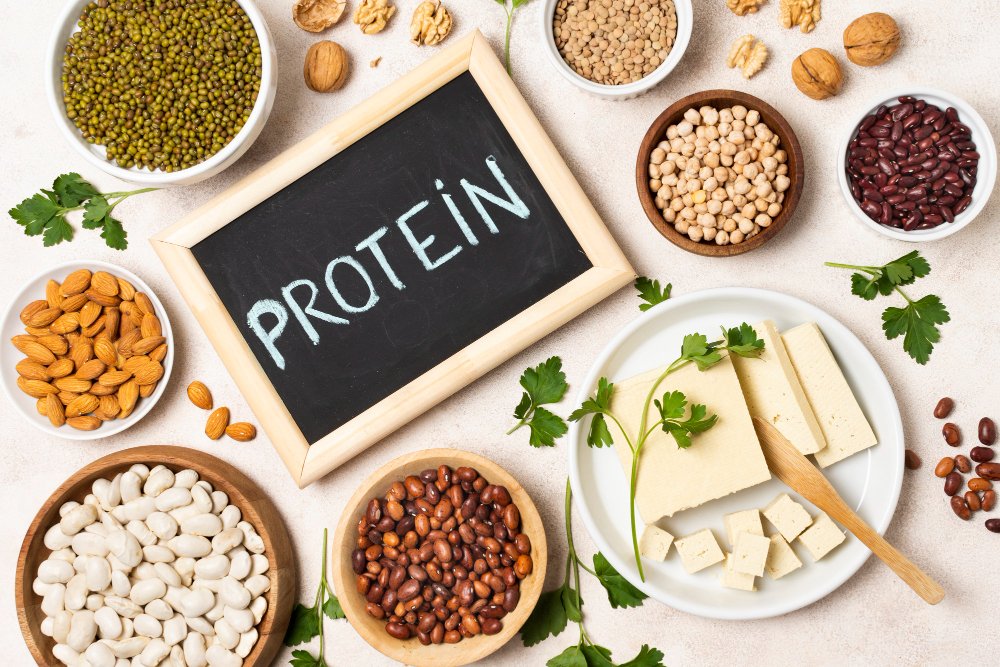
Plant Protein Blends
Multi-source blends combining proteins with different amino acid profiles. Density variation between pea (~0.4 g/ml) and rice protein (~0.6 g/ml) creates segregation risk in incorrectly designed blenders.

Vitamin-Mineral Premixes
The highest-risk category for label claim non-compliance. Vitamins and minerals added in grams per hundred-kilogram batch require micro-dosing stations — standard batch weighing lacks the resolution to hit label claim consistently.
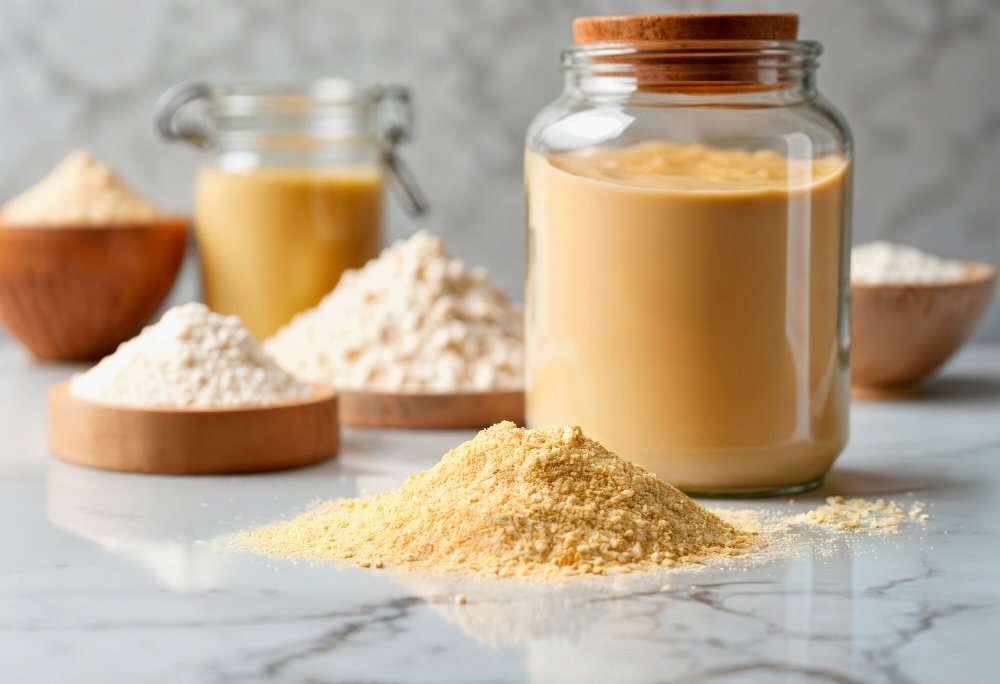
Health Drink Premixes
Combines carrier, sweetener, flavour, colour and functional actives — each with different bulk density and particle size. Dissolution performance depends on all components being within the target particle size range.
Collagen & Functional Peptides
Heat-sensitive — spray-dried collagen degrades above 60°C. Fine particle size (80–120 mesh) required for dissolution. Hygroscopic in humid conditions — enclosed transfer from mill to pack essential.
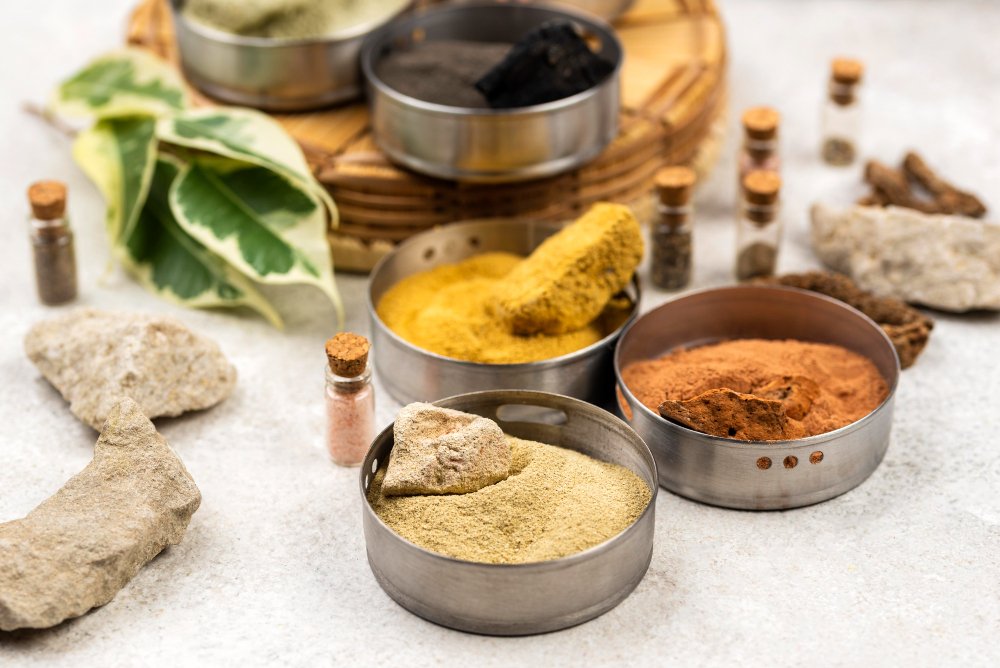
Ayurvedic Herb Extracts
Standardised extracts (e.g., 10% piperine, 95% curcuminoids) at low percentages of the formulation. Batch-to-batch consistency requires micro-dosing and analytical verification — not visual or manual weighing.
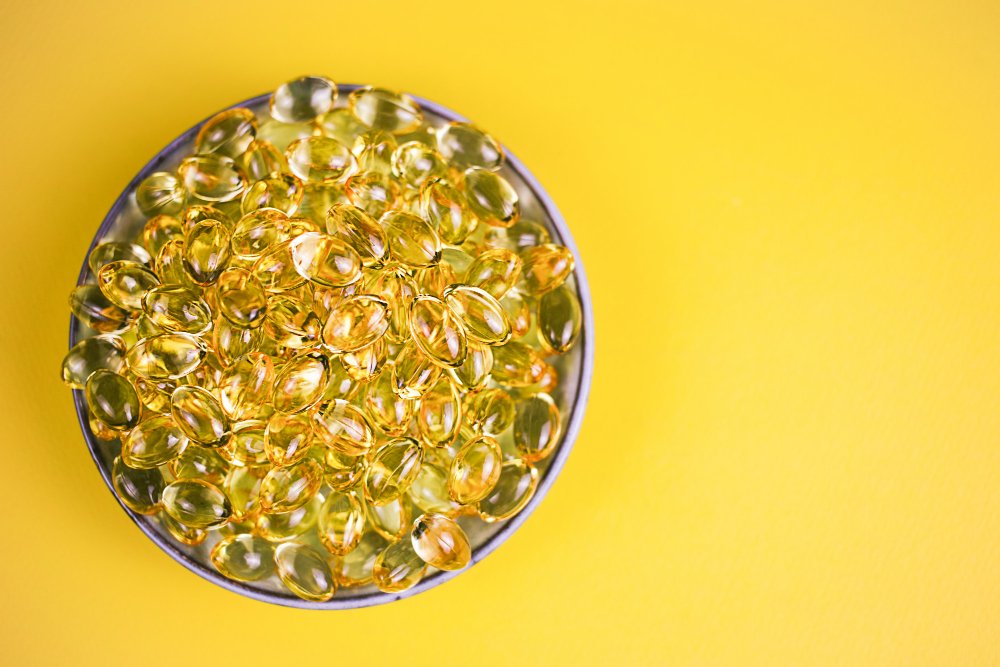
Omega-3 & Lipid Powders
Encapsulated fish oil and plant-derived omega-3 powders are heat-sensitive — encapsulation breaks above 50°C, releasing oil that causes clumping and oxidative off-flavour. Low-energy blending required.
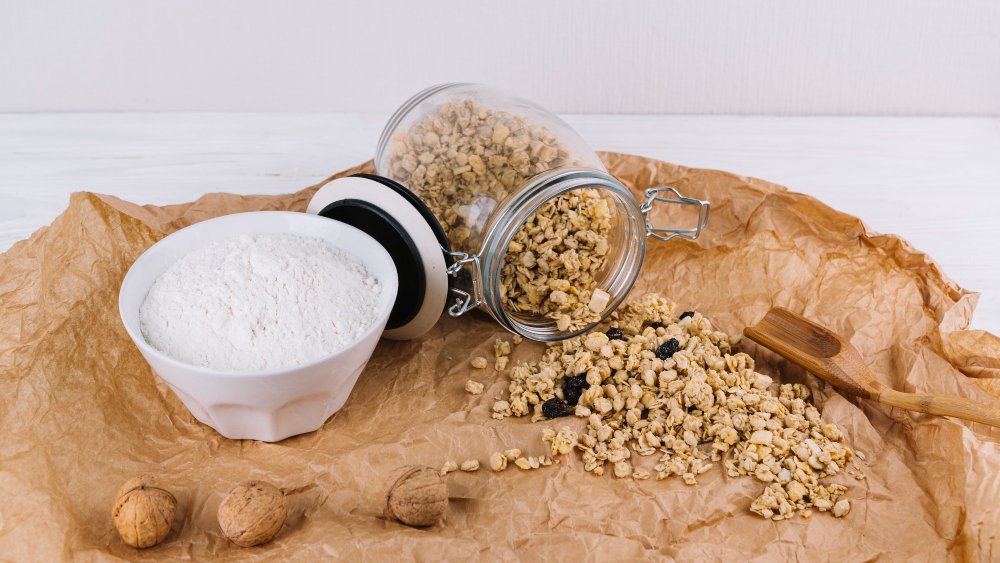
Fibre & Prebiotic Blends
Highly hygroscopic fibres that absorb moisture rapidly once exposed. Psyllium husk in particular absorbs moisture quickly and swells, making it one of the most difficult nutraceutical ingredients to handle in open equipment.
Nutraceutical powder production involves two parallel challenges — technical (achieving the right blend uniformity) and compliance (documenting that every active was added at the correct quantity). Both must be solved by the process line design.
Active Content per Serving
Label claim ±10–15% per serving (FSSAI/CODEX)
The primary compliance metric for nutraceutical powders. FSSAI and Codex Alimentarius specify acceptable variation around label claims — typically ±10–15% for vitamins and minerals. Meeting this at the serving level requires both accurate batch dosing of the active and sufficient blend uniformity to distribute it evenly at 30g. Neither is achievable without correct micro-dosing and validated blending parameters.
Dispersibility (Dissolution Time)
Target: full dissolution in 30–60 seconds in water
Dispersibility — how quickly and completely the powder dissolves in water — is the sensory quality attribute consumers judge first. It is directly affected by particle size of the carrier and actives, the presence of lumps from moisture uptake and the surface area available for wetting. A powder that clumps in the container before it is used dissolves poorly regardless of its original particle size specification. Moisture management from mill to sealed pack determines the dispersibility the consumer experiences.
Flowability
Angle of repose <35° for free-flowing grade
Free-flowing powder is essential for consistent scoop weights, auto-weigher performance and dosing system reliability. Cohesive powders with poor flowability bridge in hoppers, cause inconsistent fill weights in the packing station and create serving-to-serving weight variation that affects active content per serving. Flowability is affected by particle size, moisture content, bulk density and the surface properties of the blend components — and it changes with time if moisture is absorbed after packing.
Moisture Content
Typically 3–5% for protein blends; lower for hygroscopic formulations
Moisture above specification accelerates protein oxidation, vitamin degradation, microbial growth and powder caking. Hygroscopic protein carriers and fibre ingredients absorb atmospheric moisture at every open transfer point between mill and pack. The time between sifter outlet and sealed pack must be minimised, and the packing area humidity should be controlled, for moisture-sensitive formulations containing live probiotics or moisture-reactive vitamins.
Microbial Count
FSSAI: TPC <10⁵ CFU/g; yeast & mould <10² CFU/g
Protein powders support microbial growth at moisture above specification — particularly yeast and mould. FSSAI nutraceutical standards specify limits on total plate count, yeast, mould, E. coli and Salmonella. Incoming raw material quality, processing hygiene and moisture management throughout the line all affect the microbial count of the finished blend. For products containing live probiotic cultures, the blending temperature and moisture conditions must be validated to protect viable colony counts from mill to sealed pack.
Batch Documentation (FSSAI Compliance)
FSSAI Schedule 4 — complete ingredient and processing records
FSSAI-regulated nutraceutical manufacturers must maintain batch records documenting every ingredient addition, the quantity added, the operator responsible, the equipment used and any deviations. For vitamin and mineral additions at gram level per batch, manual weighing with no documented verification is not compliant with Schedule 4 record requirements. Electronic micro-dosing stations with auto-generated addition logs are the correct implementation for FSSAI nutraceutical compliance.
Particle size control for dispersibility and blend uniformity
MHAM
Hammer Mill
Bulk protein carrier and fibre ingredient milling — food-grade SS, interchangeable screens for multiple ingredient grades
MACM
Air Classifying Mill
Fine botanical extracts and specialty actives — D90 control, lower heat generation for sensitive nutraceutical ingredients
FBD
Fluid Bed Dryer
Carrier moisture conditioning before active addition — prevents moisture-reactive vitamin degradation during blending
Recipe accuracy from major carriers to trace vitamin additions
WH
Automated Weigh Hopper
Sequential dosing of major blend ingredients — recipe lock-out, electronic batch record, operator verification
MICRO
Micro-Dosing Station
Vitamin, mineral and botanical extract additions — ±1g resolution, guided workflow, auto-generated addition record
Blend parameters established per formulation, not carried from previous products
MRBL
Ribbon Blender
Protein and nutraceutical blend mixing — gentle double-helical action, complete discharge for product recovery and allergen cleaning
MPBL
Paddle / Plough Blender
Cohesive formulations with high-density actives — intensive three-dimensional mixing, chopper option for agglomerate breakup
Moisture exclusion from blender outlet to sealed pack
Hygroscopic protein and nutraceutical powders — whey, casein, maltodextrin, inulin — absorb atmospheric moisture at every open transfer point between the blender outlet and the pack seal. The time between blender discharge and pack sealing must be minimised, transfer equipment must be enclosed, and the packing area humidity should be controlled for sensitive formulations. For products containing live probiotic cultures, moisture and temperature management from blending to sealed pack is critical for viable colony count — probiotics die at elevated moisture and temperature regardless of how well they were handled upstream. Pneumatic conveying in enclosed, clean-air ducts is the correct inter-stage transfer approach for hygroscopic nutraceutical powders.
PNEU
Pneumatic Conveying
Enclosed inter-stage transfer — clean-air ducts, no open connections, moisture exclusion for hygroscopic protein powderss
MLUM
Delumper
Breaking moisture-induced caking in incoming protein carriers before blending — restores free-flow without over-milling
FILL
Auto-Fill Packing System
Consistent fill weight into moisture-barrier pouches or canisters — minimises open-air exposure before sealing
Precision Processing for Premium Protein & Nutraceutical Solutions
Deliver high-quality protein powders and nutraceutical blends with advanced processing solutions designed for consistency, purity, and performance. Our precision-driven techniques ensure optimal ingredient integrity, uniform blending, and extended product stability while adhering to stringent quality standards. Partner with us to create innovative, market-ready nutritional products that inspire consumer confidence and support healthier lifestyles.