
- Home /
- Industries /
- Chemicals
Chemicals
Abrasion-resistant configurations
Enclosed contained handling
Material-matched equipment
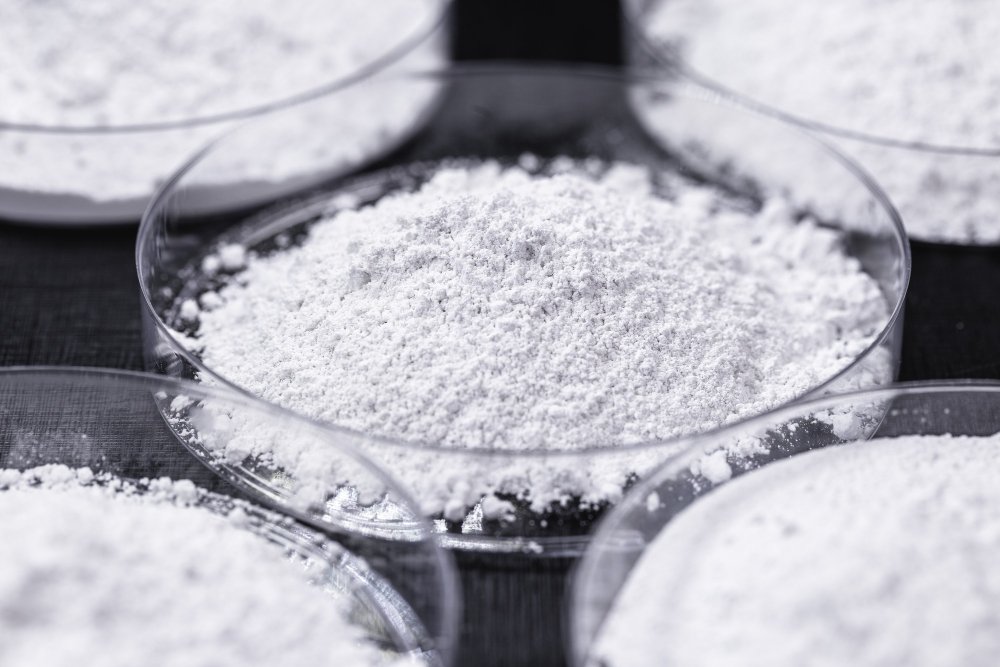
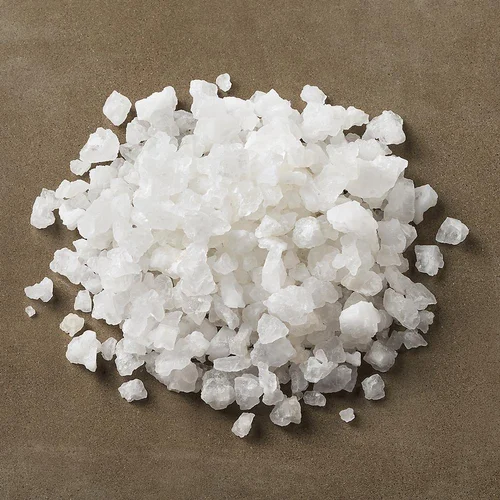
Industrial Salts
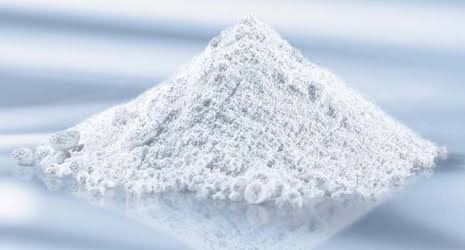
Calcium Carbonate
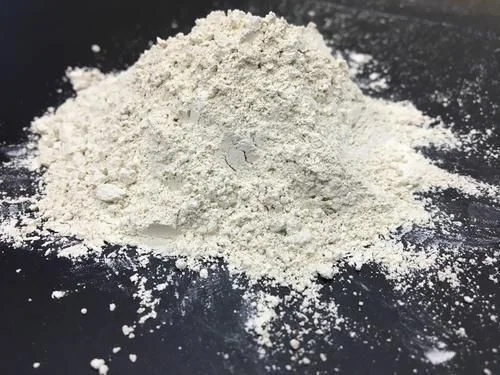
Zeolite Powder
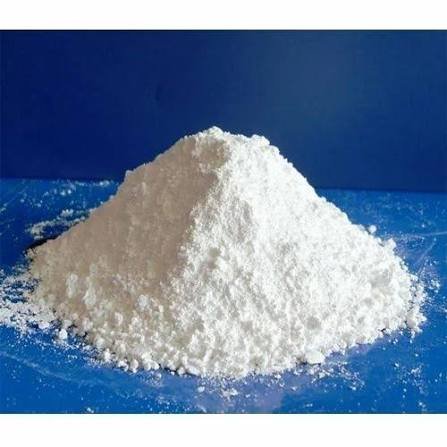
Barium Sulphate
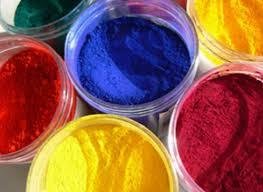
Dyes & Intermediates
Silica & Silicates
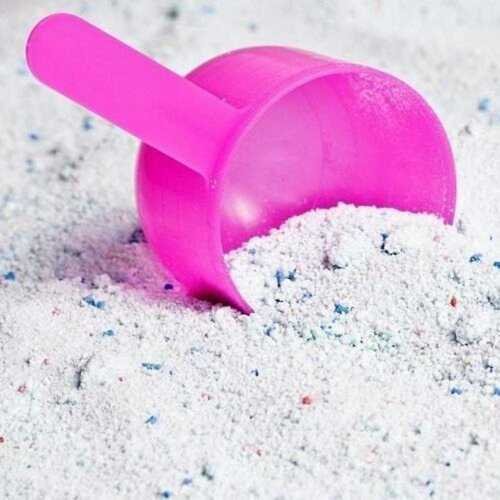
Detergent Powders
Most of these are avoidable if the equipment is selected with the right material data. They become expensive when they surface after commissioning.
Hard minerals wear through mill screens in weeks — particle size drifts coarser without any visible warning until a quality check fails.
Fine chemical powders turn into airborne dust at every transfer point — what works for granular materials becomes a serious hygiene and yield problem at fine particle sizes.
Running multiple product grades on the same machine without proper cleaning leaves traces of the previous product in the next batch.
Particle size that meets specification at the start of a shift can drift out of range by the end — screen wear and temperature changes inside the mill cause this without any visible sign.
Powders that absorb moisture cake at every open transfer point — sealed handling from mill to pack is the only way to keep them free-flowing.
Some chemical powders react or degrade on contact with open air during milling — standard open-circuit processing is not suitable for these materials.
Sticky materials soften and smear on mill surfaces at standard speeds — the heat generated during grinding is enough to change how the material behaves before it exits the machine.
Switching between product grades without a validated cleaning procedure contaminates the next batch before production even starts.
Each row below pairs a process solution with the specific equipment used in chemical powder applications. Click either side to go deeper.
Size reduction that holds specification across a full run
Chemical powder milling is specification-driven — the particle size distribution needs to stay within the declared range from the start of the run to the end. MillNest specifies hammer mill screen material, liner hardness and rotor configuration based on the mineral’s hardness rating and the required output distribution. For specifications requiring D90 or D97 control — coating grades, dispersion-critical materials — the MACM’s integrated classifier delivers consistent particle size without downstream sieve classification.
Uniform multi-component chemical blending
MBRL
Ribbon Blender
Double-helical ribbon handles density variation across the full batch — standard choice for dry NPK mixing
MPBL
Paddle / Plough Blender
Where ribbon action doesn't achieve uniformity — denser, cohesive or difficult-to-blend formulations
Enclosed transfer and dust capture at every generation point
Fine chemical powders require enclosed transfer between every stage — not to meet a hygiene standard but because dust at 20–50 µm becomes airborne at every open connection and is difficult to recover once dispersed. Screw conveyors with sealed housings are standard for horizontal transfer of abrasive chemical grades. Cyclone-bag filter systems at mill outlet and packing stations recover valuable fine product that would otherwise be lost and keep the working environment within compliance limits.
MLUM
Delumper
Gentle lump breaking on caked hygroscopic powders — restores flow without changing the powder spec
Restoring flowability in caked chemical powders
SCRW
Screw Conveyor
Sealed horizontal and inclined transfer for hygroscopic and abrasive fertilizer powders
CYCL / BAG
Cyclone + Bag Filter
Dust capture and product recovery at milling, transfer and packing points