
Pharmaceutical Powders
In pharmaceutical powder processing, particle size is not a manufacturing target — it is a validated regulatory parameter tied directly to dissolution rate, bioavailability and the clinical performance of the finished drug product. ICH Q6A mandates D50 and D90 specification for any API where particle size affects bioavailability. A D90 that drifts by 20 µm between batches is not a quality variation — it is a potential out-of-specification batch requiring investigation and documentation before the product can be released. MillNest supplies GMP-compliant milling equipment designed to hold these specifications, batch after batch, with the construction, cleaning validation and documentation that Schedule M and WHO-GMP facilities require.
D90 specification-holding milling
Contained API handling by OEL
GMP documentation & validation support

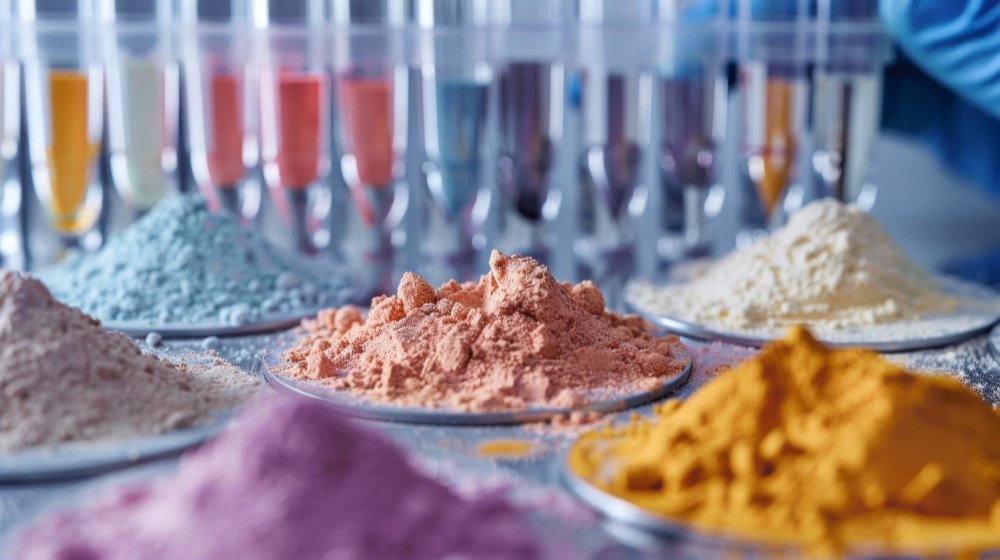
Active Pharmaceutical Ingredients (API)
Primary milling application. D90 is a validated regulatory specification. Containment requirement set by OEL — from standard dust extraction to full glove-box isolation for highly potent APIs.
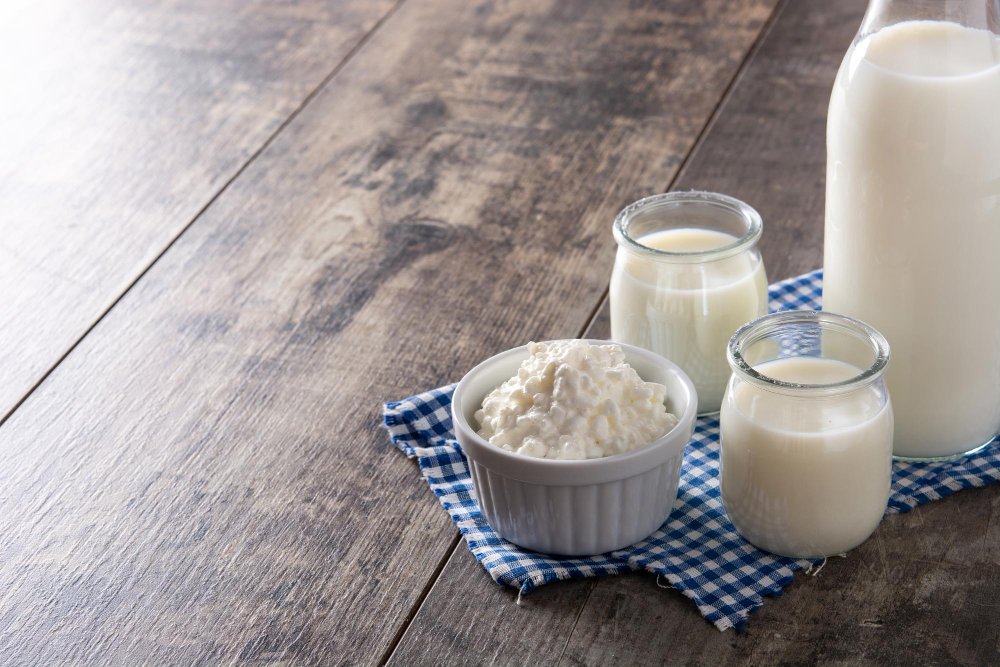
Lactose & Excipients
High-volume excipient grinding — lactose, MCC, starch, HPMC. Hardness and abrasiveness vary by excipient. GMP construction required for all contact parts regardless of OEL.

Pharmaceutical Intermediates
Synthesis intermediates require the same containment consideration as APIs — OEL may not yet be established. Conservative containment until toxicological data is available is the correct approach.
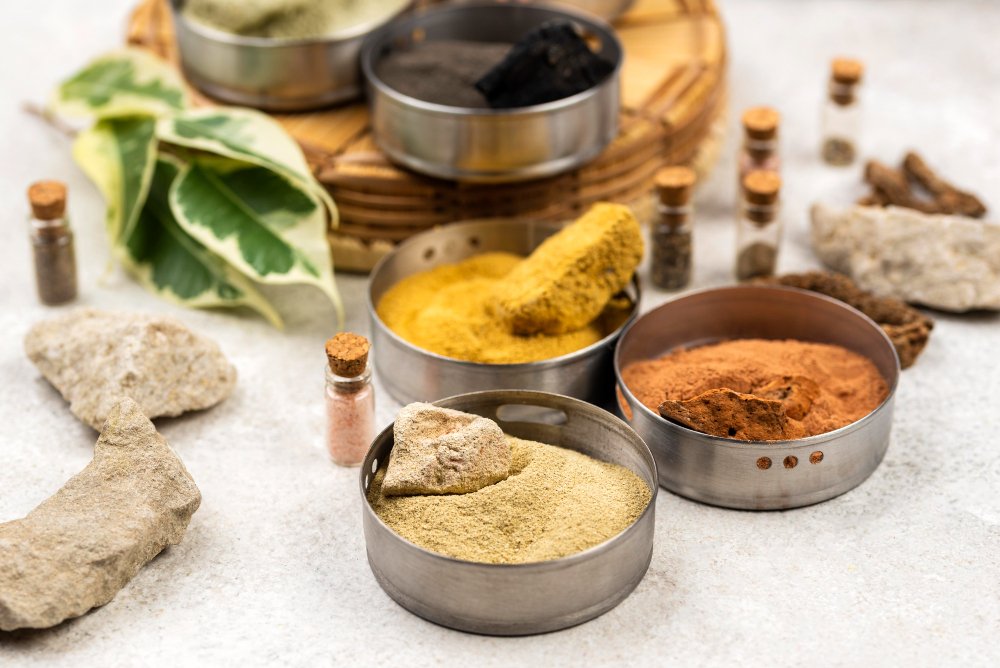
Herbal & Ayurvedic Extracts
Growing application — Ayurvedic formulations requiring GMP-standard processing for export markets and AYUSH compliance. Multi-herb blends with different particle size and moisture requirements.

Vitamins & Minerals
Vitamins degrade at elevated milling temperatures. Some minerals (zinc, iron salts) are technically APIs at pharmaceutical grade. Low-heat milling configuration required alongside GMP construction.
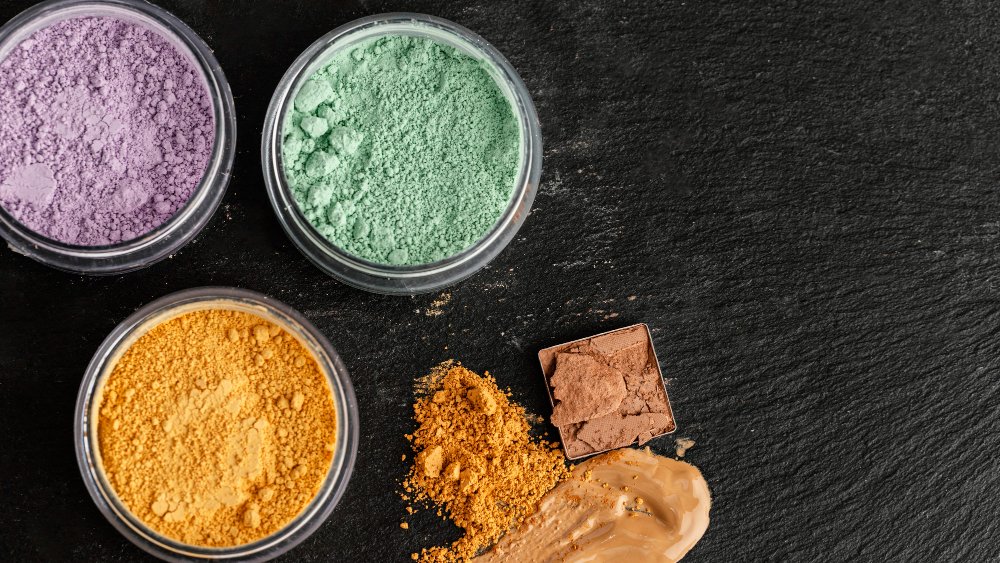
Potent Cytotoxic Compounds
The most demanding containment category. Oncology APIs and highly potent compounds require glove-port access, closed transfer, negative pressure rooms and HEPA-filtered local exhaust at every exposure point.
Dry Granules for Sizing
Post-roller-compaction or dry granulation sizing — granules milled to target size distribution for tabletting or capsule filling. Consistent granule size reduces tablet weight variation and hardness inconsistency.

Pharmaceutical-Grade Sugar & Salt
Tablet coating, syrup base and direct compression excipients. Zero starch for pharma sugar. Specific pharmacopoeial particle size requirements differ from food-grade specifications — monograph compliance must be verified.
Pharmaceutical powder processing is defined by what must be documented at every stage, not just what must be done. The process flow and the documentation flow are inseparable.
Particle Size Distribution (D90, D50)
API: typically D90 20–150 µm for OSD formulations
The primary specification for API milling. D90 is validated in the regulatory filing and cannot be changed without a post-approval change notification. D50 and span (distribution width) are also often specified. For poorly soluble APIs (BCS Class II), reducing D90 directly increases dissolution rate and bioavailability — this is the clinical rationale for milling. For BCS Class I APIs, the benefit is primarily flowability and blend uniformity rather than bioavailability.
GMP Construction — SS 316, Ra ≤0.8µm
316L contact parts; internal surface Ra ≤0.8µm
All product-contact surfaces in pharmaceutical powder processing equipment must be SS 316L (not 304) with an internal surface finish of Ra ≤0.8µm — the specification below which validated cleaning is reliably achievable. Rough surfaces trap API residue in microscopic valleys that cannot be accessed by standard CIP or manual cleaning — they become a source of cross-contamination in every subsequent product. Equipment with weld marks, rough machined bores or polished-to-visual-appearance surfaces does not meet this standard.
Operator Protection — OEL Category
Band 1–5: >1 mg/m³ to <0.001 µg/m³
Every API is assigned an occupational exposure limit (OEL) — the maximum airborne concentration to which an operator can be exposed during an 8-hour shift. Standard dust extraction controls exposure for Band 1–2 APIs. Highly potent Band 4–5 APIs require contained handling with glove ports, closed transfer systems and negative pressure isolated rooms. The OEL category of the API must be established before the milling system is designed — not after the equipment is installed.
Cleaning Validation
Residue limit calculated from MACO (maximum allowable carryover)
Pharmaceutical equipment cleaning validation requires analytical swab testing that confirms API residue is below the calculated MACO — the quantity of previous product that can carry over into the next product without a clinical risk to the patient. This limit is calculated from toxicological data for each product combination. Equipment design directly affects whether this limit is achievable: dead zones, inaccessible internals and rough surface finish all make cleaning validation harder and raise the risk of exceedance on routine production batches.
Batch Manufacturing Record
Schedule M / WHO-GMP — complete parameter documentation
Every pharmaceutical milling run must generate a batch manufacturing record (BMR) that documents: equipment used, operator identity, start and end times, mill settings (speed, screen, air flow), in-process PSD results, any deviations and their disposition, and QA review sign-off. This is not optional documentation — it is the evidence that the batch was processed correctly and that it is safe to release. MillNest provides IQ/OQ/PQ validation documentation support as part of equipment handover for pharmaceutical clients.
Polymorphic Form Stability
Validated milling energy to prevent form conversion
Some APIs exist in multiple crystalline polymorphic forms — and the pharmacological activity of the drug can vary between forms. High-energy milling can induce a transition from one polymorph to another, or introduce amorphous content that affects dissolution behaviour differently from the crystalline form. Where polymorphic stability is a known concern for an API, milling energy parameters must be validated to demonstrate that the crystalline form specified in the regulatory filing is maintained throughout the milling process.
API weighing under containment with batch record initiation
WH
GMP Weigh Station
Contained API dispensing — electronic batch record, operator verification, OEL-matched local exhaust ventilation
MLUM
Delumper (GMP SS 316)
API agglomerate breaking before mill feed — consistent particle input, Ra ≤0.8µm contact surfaces
ACM with continuous classification for validated particle size compliance
MACM
Air Classifying Mill (GMP SS 316)
API D90 specification milling — continuous classification, no screen drift, Ra ≤0.8µm, IQ/OQ/PQ documentation
MUNI
Universal Mill (GMP)
Multi-mode development milling — impact, shear and attrition modes for process development before validation
MUNI
Universal Mill (GMP)
High-throughput excipient grinding — lactose, MCC, starch — GMP construction, validated cleaning
Zero open API exposure from mill outlet to blender inlet
CTD
Contained Transfer System
Closed mill-to-blender API transfer — docking port, no open exposure, OEL-band matched containment level
HEPA
HEPA HEPA-Filtered Local Exhaust
API dust capture at mill and transfer points — HEPA H14 filter, monitored negative pressure, bag-in bag-out filter change
Validated blend uniformity with complete batch manufacturing record
Pharmaceutical blending for oral solid dosage forms must achieve blend uniformity at the dosage unit level — typically RSD <5% — validated for the specific formulation. MillNest supplies ribbon and paddle blenders in GMP SS 316 construction with Ra ≤0.8µm internal finish, full-drain design and validated cleaning support. The batch manufacturing record for blending captures equipment identity, operator, blend time, rotation speed, fill quantity, in-process uniformity sampling results and QA review. For Indian pharma facilities under Schedule M, the revised GMP rules require complete electronic or paper batch records for every production step — including blending — to be retained and available for regulatory inspection for the duration required by the applicable retention schedule.
MRBL
Ribbon Blender (GMP SS 316)
OSD blend mixing — Ra ≤0.8µm, full-drain, validated cleaning, IQ/OQ/PQ documentation supplied
MRBL
Paddle / Plough Blender (GMP)
Cohesive API formulations and low-dose blends requiring high-shear uniformity — GMP construction throughout
Precision Pharmaceutical Powder Processing You Can Trust
Ensure the highest levels of accuracy, purity, and consistency with our advanced pharmaceutical powder processing solutions. From blending and granulation to hygienic handling and packaging, every stage is carried out under stringent quality control and regulatory compliance. Partner with us to achieve reliable, high-performance products that meet the demanding standards of the pharmaceutical industry.