
- Home /
- Industries /
- Spice & Seasoning Processing
Spice & Seasoning Processing
Heat-sensitive material handling
Natural steam sterilization
Export-grade compliance
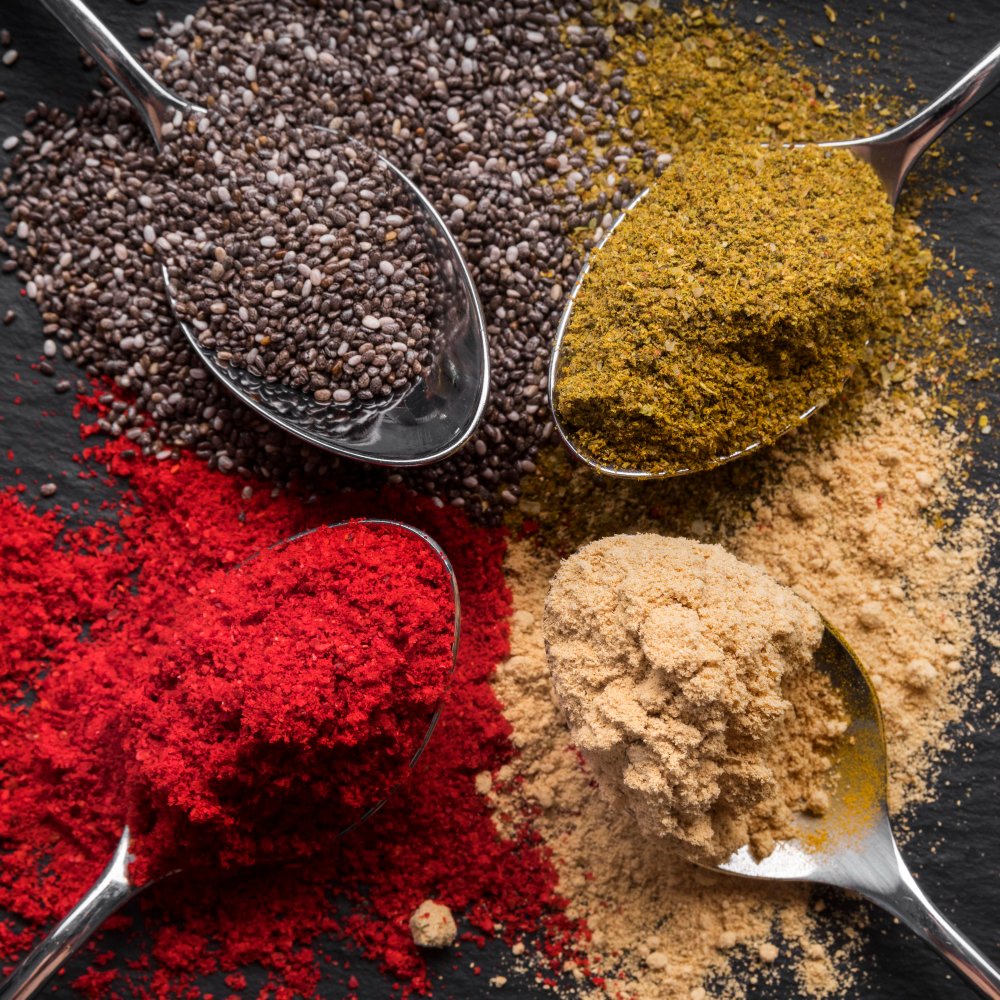

Chilli
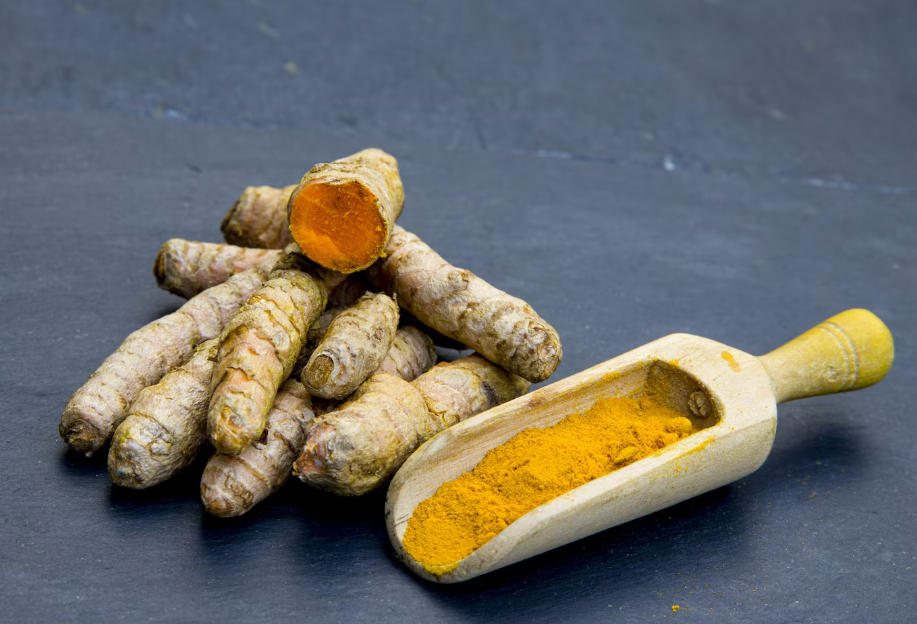
Turmeric
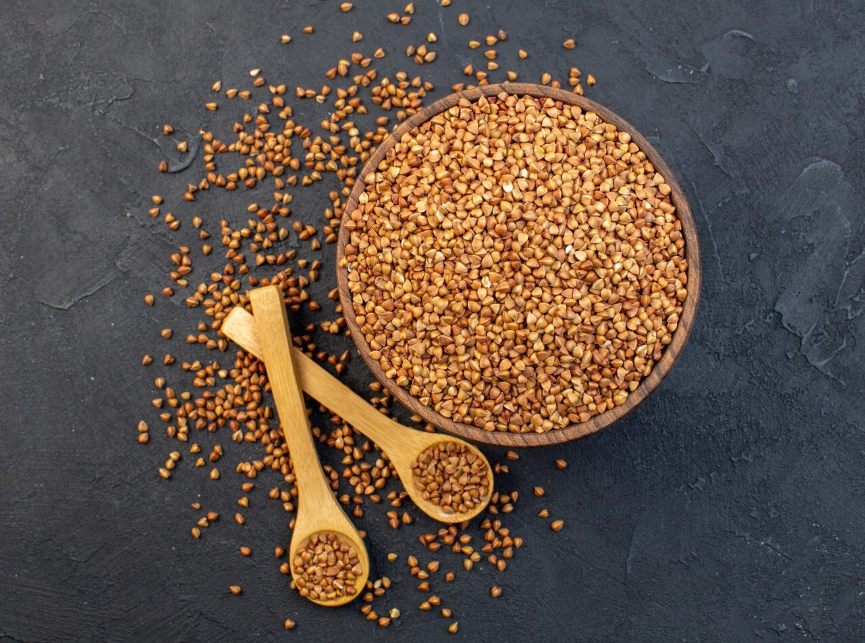
Coriander
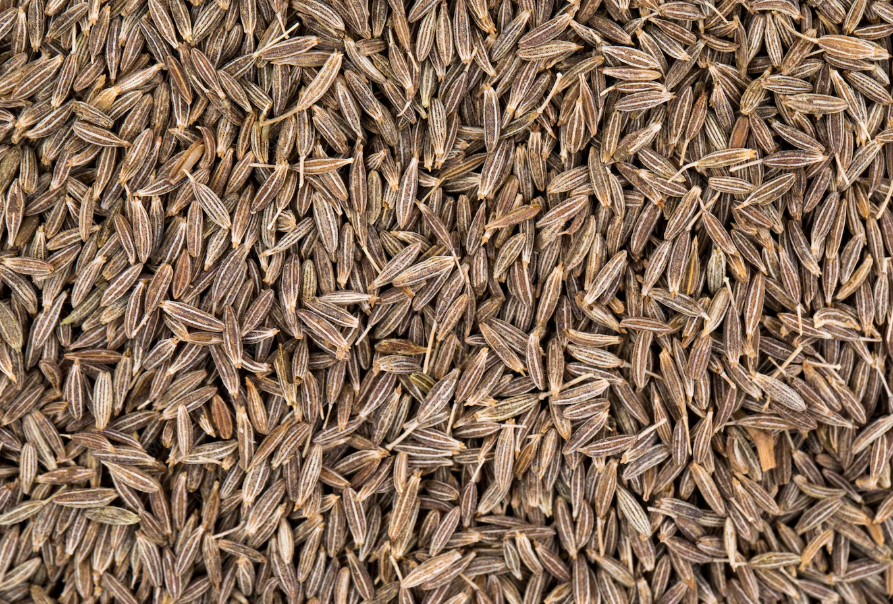
Cumin
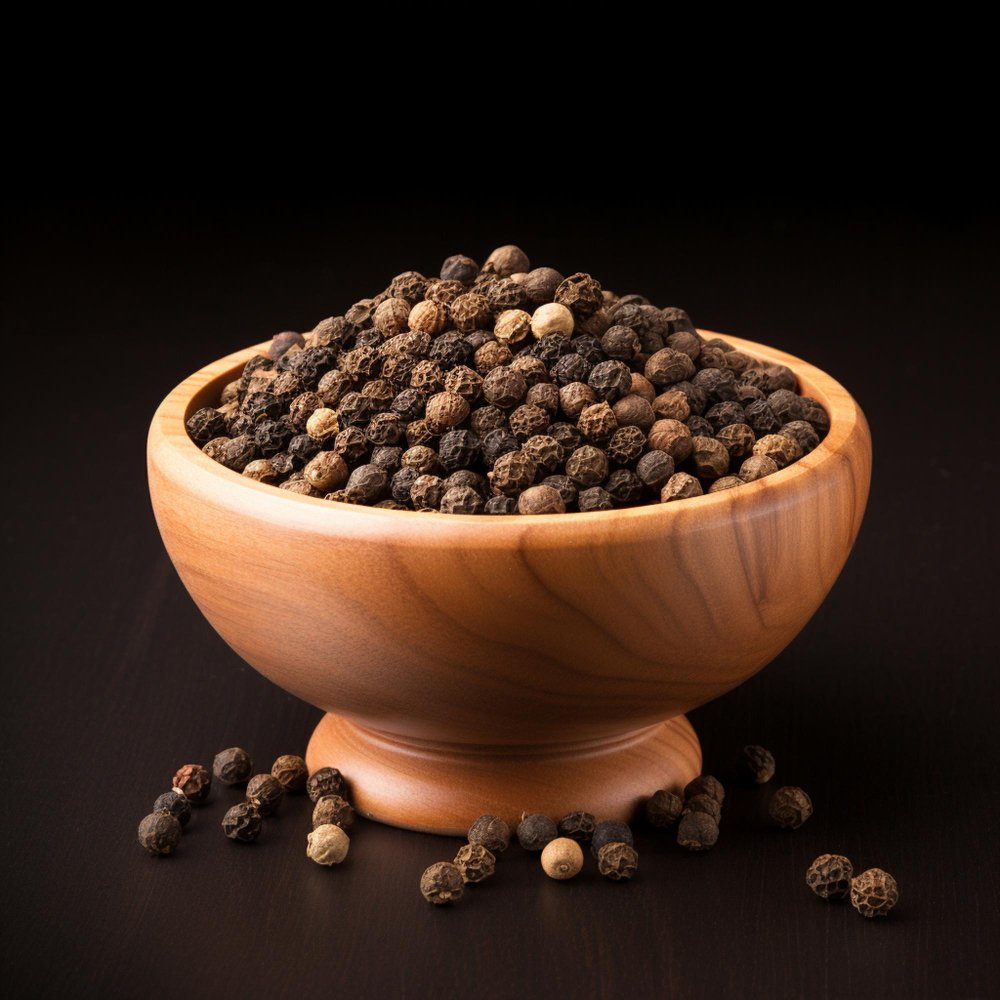
Black Pepper
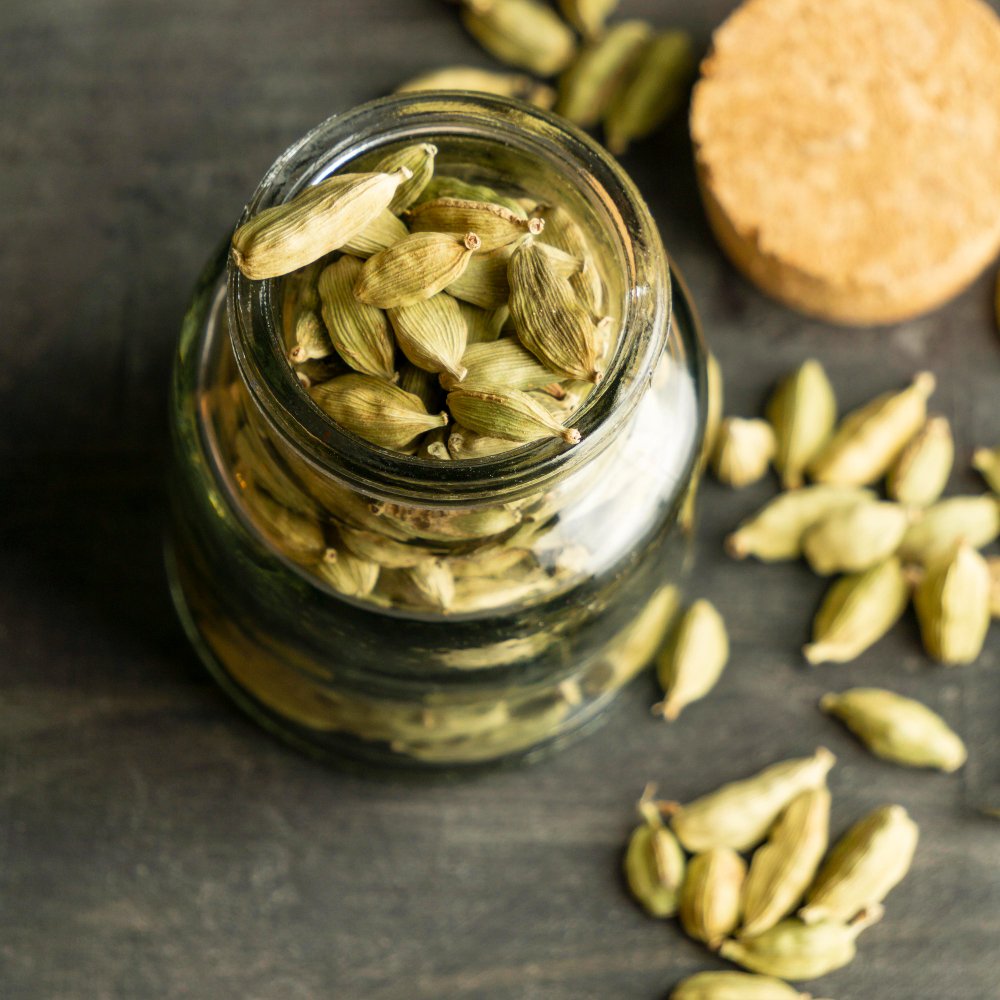
Cardamom
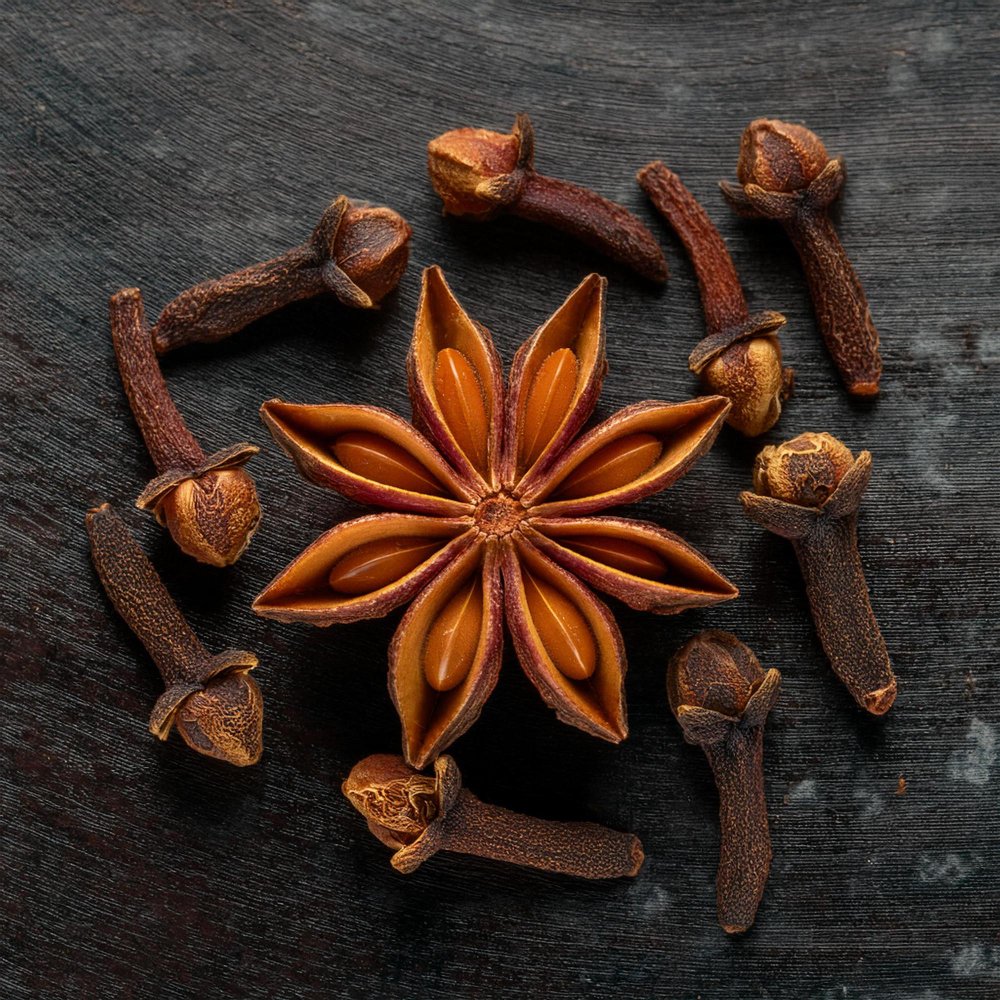
Clove & Star Anise
Most of these are avoidable if the equipment is selected with the right material data. They become expensive when they surface after commissioning.
High rotor speeds generate localised heat that drives off volatile oils in chilli and coriander — the loss is irreversible once milling is complete.
Sun-dried spices arrive with high microbial loads; without a validated sterilization step and documented batch records, EU and US shipments get rejected at border.
Screen wear in hammer mills causes particle size to drift coarser across a run — 100 mesh output at shift start becomes 60 mesh by the end without regular screen inspection.
Masala blends combining coarse coriander, fine chilli and dense cumin will segregate if the blender is oversized, underfilled or run for the wrong cycle time.

Turmeric's high fibre content causes rapid screen blinding in hammer mills — throughput drops and heat accumulation rises within minutes of starting a run.
Dehydrated onion and garlic brown visibly above 100°C — sterilizing at full spice temperatures destroys colour and pungency before microbial compliance is confirmed.
Coriander volatile oil evaporates from the moment of cell rupture — open-air handling between mill and packer contributes measurable loss before the product is sealed.
Switching between chilli and turmeric without adequate changeover cleaning causes cross-colour contamination that only surfaces at the customer's QC stage.
Each row below pairs a process solution with the specific equipment used in spice processing applications. Click either side to go deeper.
Size reduction that protects volatile oils and colour
Spice milling needs to hit target particle size without generating the localised heat that destroys aroma compounds. MillNest configures hammer mills and air classifying mills specifically for each spice — rotor speed, screen aperture and screen-to-rotor clearance are all set from trial data on the actual material, not from general food milling parameters. For ultrafine spice powders, the MACM delivers D90 control with integrated classification.
MACM
Air Classifying Mill
Ultrafine spice powders with D90 control — integrated classification loop, low heat
Masala blending where uniformity is the standard
MBRL
Ribbon Blender
Standard masala and spice blend mixing — double-helical ribbon for free-flowing powders
MPBL
Paddle / Plough Blender
Dense or cohesive spice formulations — intensive action where ribbon blending is insufficient
Restoring flowability after storage or post-drying
Hygroscopic fertilizer powders cake reliably during storage, especially in monsoon conditions. A delumper before the blender or filling machine breaks agglomerates back to free-flowing powder without over-grinding the underlying particle — keeping the specification intact while restoring processability.
MLUM
Delumper
Gentle lump breaking on caked hygroscopic powders — restores flow without changing the powder spec
Enclosed transfer and dust capture across the full line
SCRW
Screw Conveyor
Sealed horizontal and inclined transfer for hygroscopic and abrasive fertilizer powders
CYCL / BAG
Cyclone + Bag Filter
Dust capture and product recovery at milling, transfer and packing points