
- Home /
- Industries /
- Pigments & Coatings
Pigments & Coatings
D90/D97 particle size control
Colour cross-contamination prevention
Fine dust capture and recovery
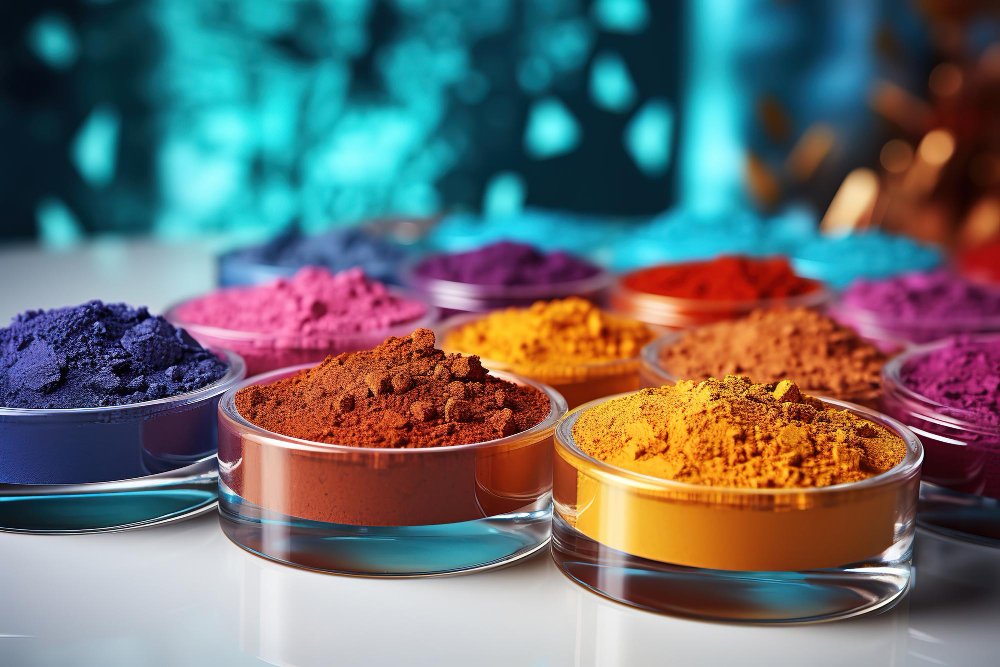
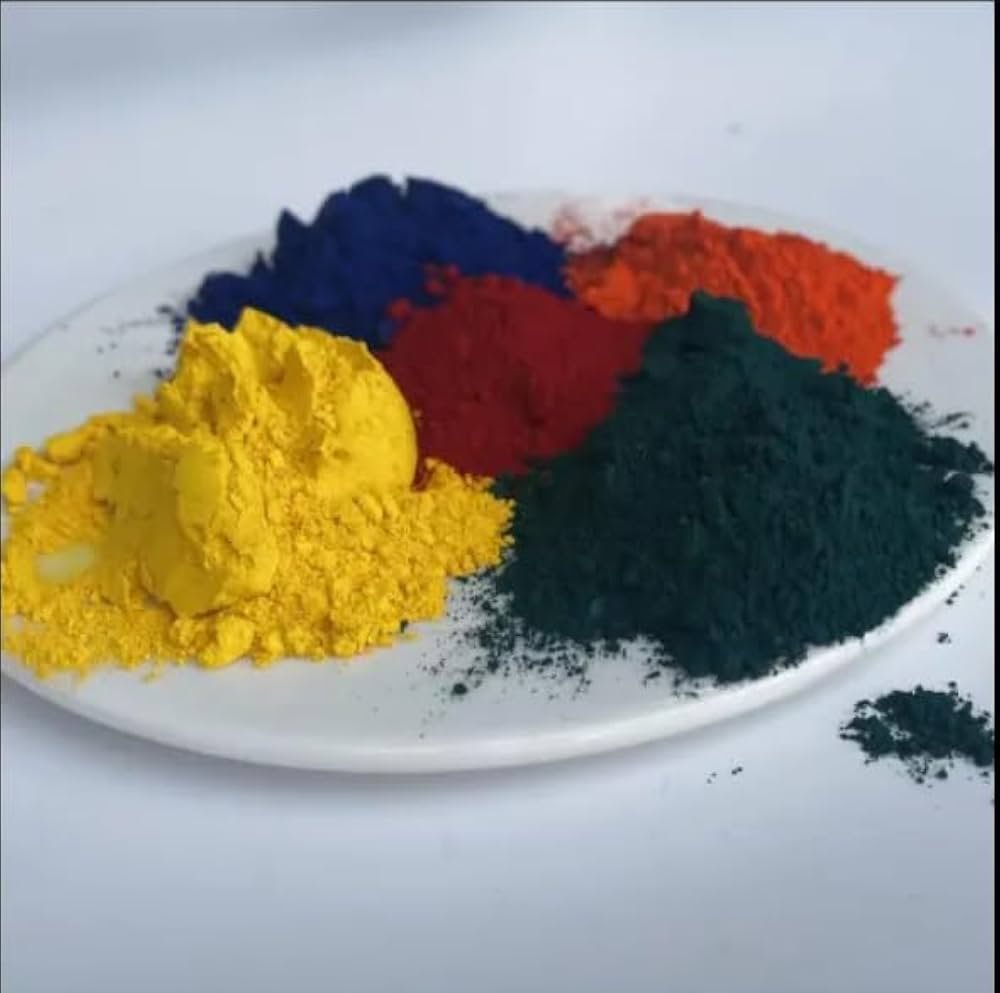
Iron Oxide Red, Yellow, Black
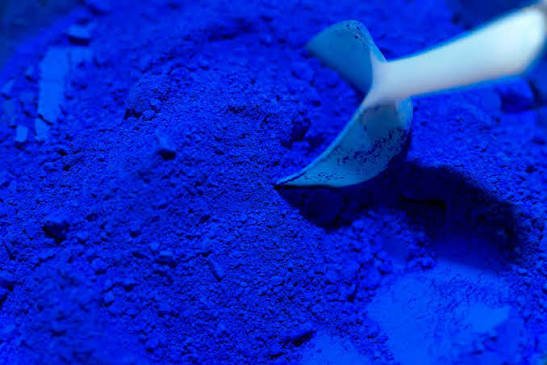
Ultramarine Blue
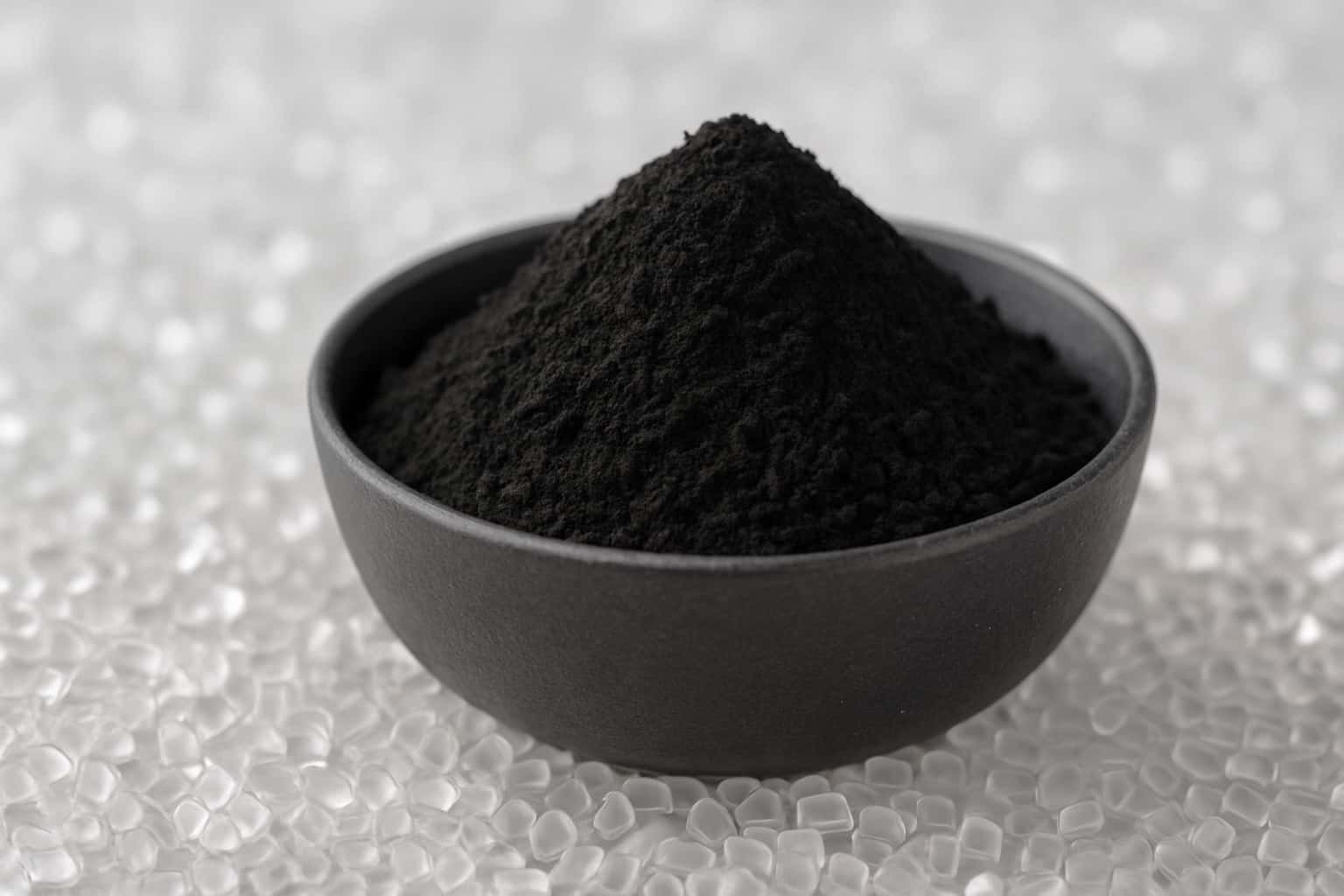
Carbon Black
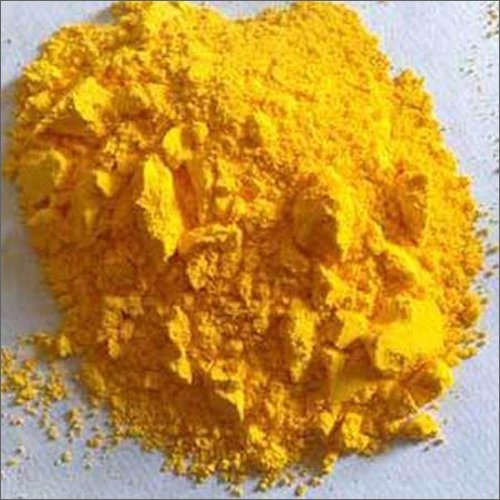
Chrome Yellow & Orange
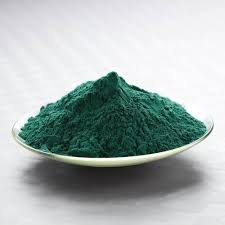
Chrome Green & Oxide
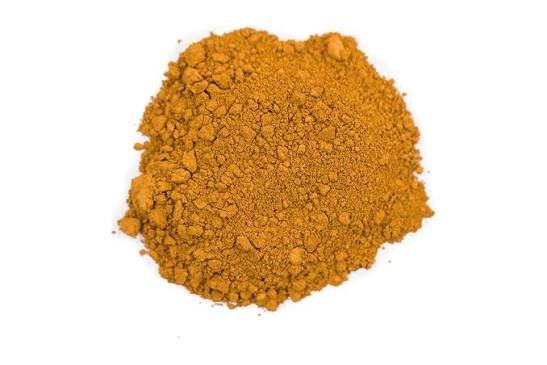
Raw Sienna & Umber
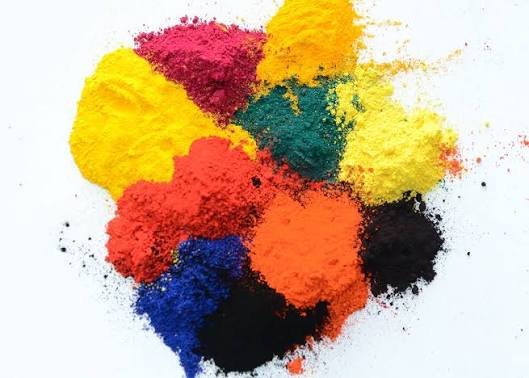
Organic Pigment Powders
Most of these are avoidable if the equipment is selected with the right material data. They become expensive when they surface after commissioning.
Particle size that drifts coarser during a production run directly reduces colour strength — the batch produced at the end of the shift is visibly weaker than the batch produced at the start.
Hard pigment particles wear through standard mill screens faster than expected — by the time the output looks wrong, the screen has been out of specification for hours.
Fine pigment dust generated at every transfer point settles on surrounding surfaces and equipment — in a colour-sensitive facility, airborne pigment from one product contaminates the next.
Switching between dark and light pigments on the same mill without a validated cleaning procedure leaves colour traces that are visible even at very small quantities.

Pigments with low melting points soften and smear on mill surfaces at standard rotor speeds — the heat generated during grinding is enough to change how the material behaves.
Coating powders that absorb moisture during processing lose their flow properties and clump at the packing station — sealed handling between mill and pack is essential for these materials.
Blending pigments with fillers and additives at different particle sizes causes separation during transfer and storage — the colour ratio at the point of use is not the same as the recipe.
Reactive pigments and coating powders that come into contact with open air during milling and transfer oxidise before they reach the customer — closed-circuit processing is required, not optional.
Each row below pairs a process solution with the specific equipment used in pigment and coating powder applications. Click either side to go deeper.
D90-controlled grinding that holds specification across the full campaign
Pigment grinding requires the particle size distribution to be held within specification from the first kilogram of a campaign to the last — not just checked at the start. The MACM’s integrated air classification loop returns oversize particles to the grinding zone continuously, delivering a tight D90 or D97 without screen changes or progressive specification drift. For hard mineral pigments — iron oxides, chrome compounds, zinc oxide — abrasion-resistant liner and screen configurations extend the maintenance interval and keep particle size within tolerance as the run progresses. Organic pigments and soft colour powders are assessed separately, as some require gentler milling modes to avoid mechanical degradation of the colour molecule.
MHAM
Hammer Mill
Primary prill and granule size reduction — abrasion-resistant configurations for hard mineral grades
MACM
Air Classifying Mill
Fine powder for water-soluble grades — D90 control, prevents heat build-up on sensitive salts
Uniform colour dispersion in powder coating and pigment blend production
MBRL
Ribbon Blender
Double-helical ribbon handles density variation across the full batch — standard choice for dry NPK mixing
MPBL
Paddle / Plough Blender
Where ribbon action doesn't achieve uniformity — denser, cohesive or difficult-to-blend formulations
Fine pigment dust capture that recovers product, not just cleans the air
Pigment dust at 2–20 µm is a yield loss problem before it is a housekeeping problem. At-source extraction with a cyclone separator positioned immediately at the mill outlet captures the coarse fines fraction and returns them directly to the product stream before the bag filter polishes the exhaust air. This recovery loop is particularly valuable for high-unit-value pigment grades — organic colours, fluorescents, pearlescents — where even 1–2% yield loss at the mill accumulates into significant cost over a production run. Closed ductwork and inspection ports without open connections prevent colour contamination between extraction system segments.
MLUM
Delumper
Gentle lump breaking on caked hygroscopic powders — restores flow without changing the powder spec
Enclosed transfer and cake restoration for agglomerated pigment powders
SCRW
Screw Conveyor
Sealed horizontal and inclined transfer for hygroscopic and abrasive fertilizer powders
CYCL / BAG
Cyclone + Bag Filter
Dust capture and product recovery at milling, transfer and packing points