
- Home /
- Industries /
- Beverage & Instant Mixes
Beverage & Instant Mixes
Fast dissolution particle size
Recipe-accurate blending
Moisture & hygroscopicity control
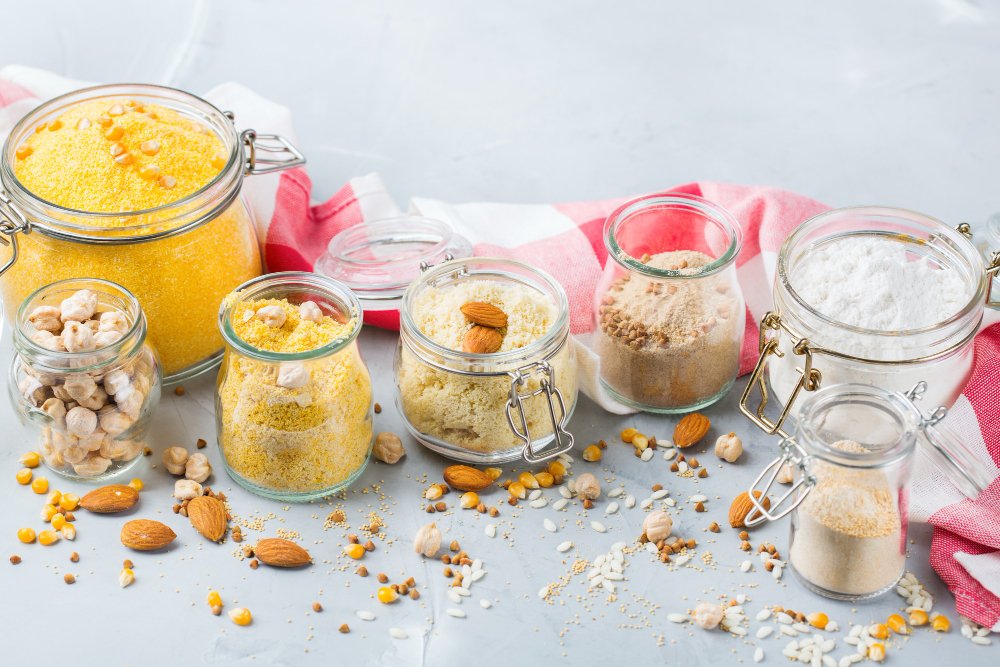

Malted Drink Powder
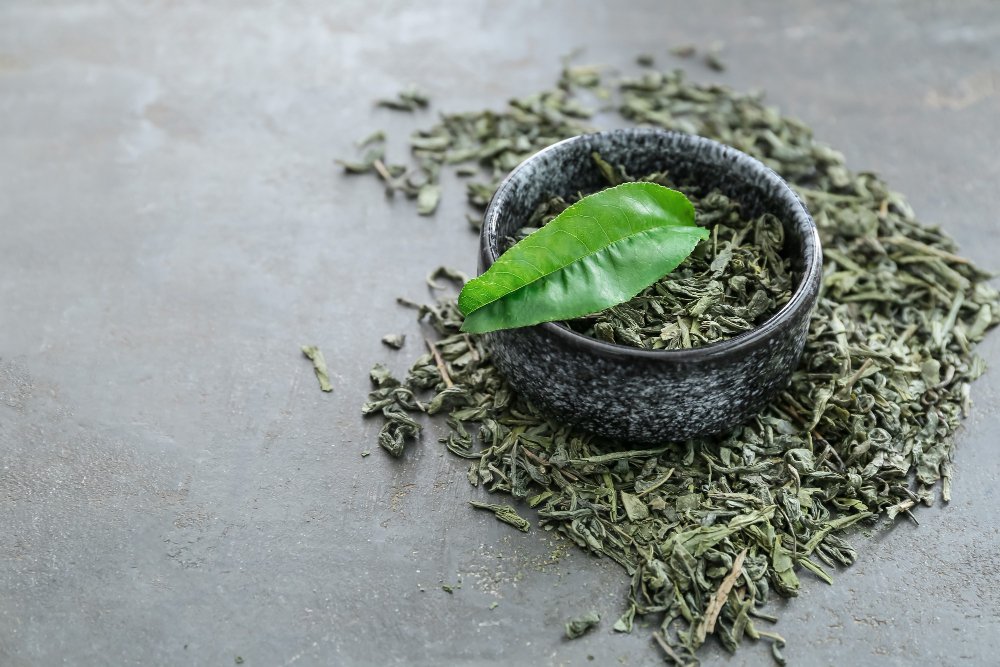
Tea & Green Tea Mix
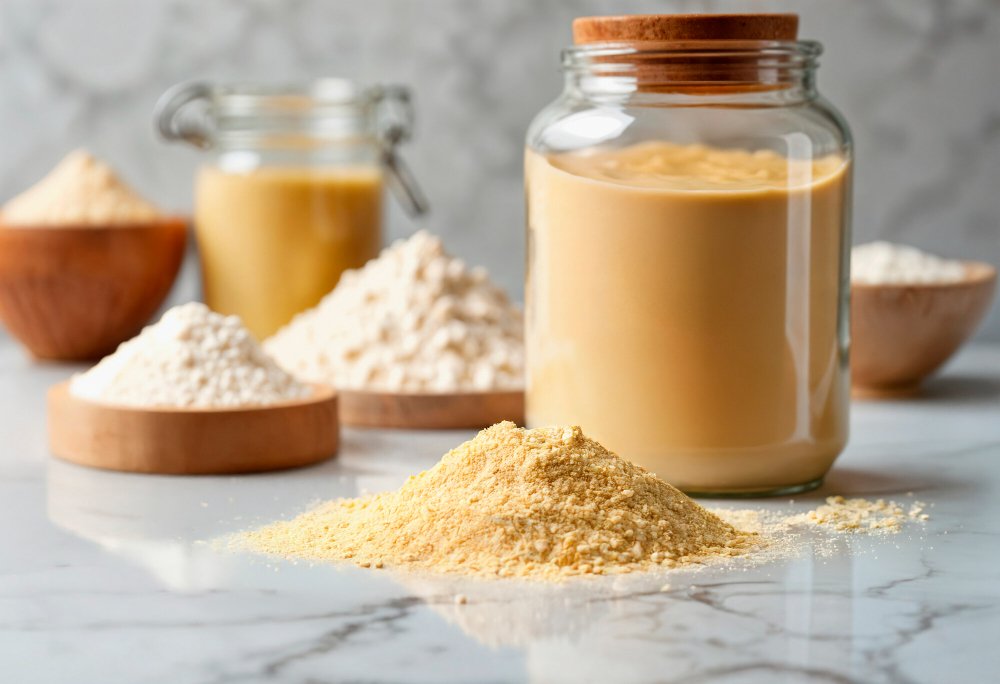
Health Drink Premix
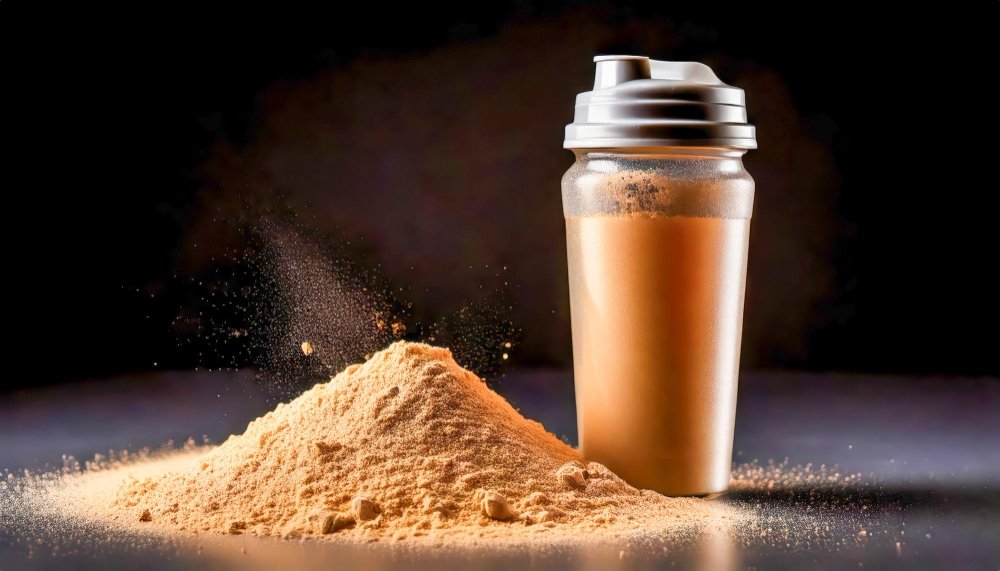
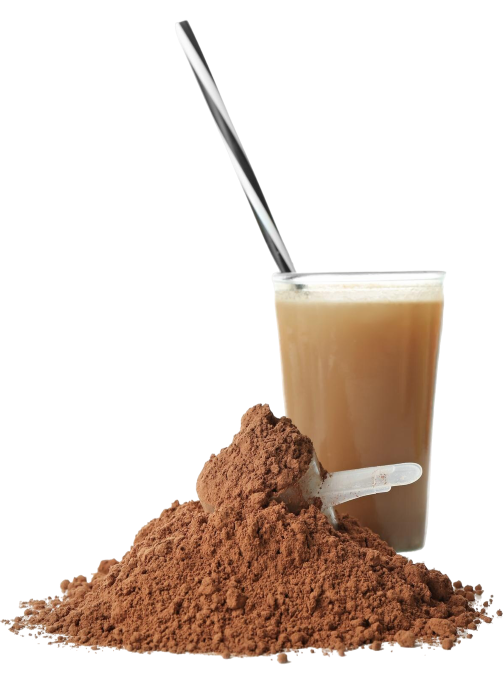
Protein Powder Mix
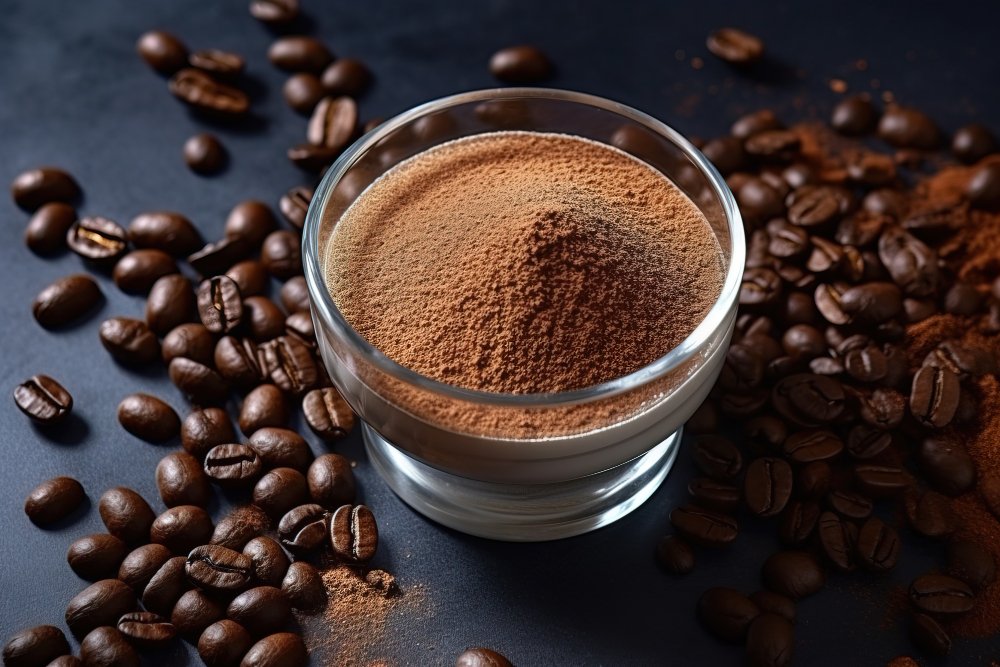
Coffee Premix
Electrolyte Mixes
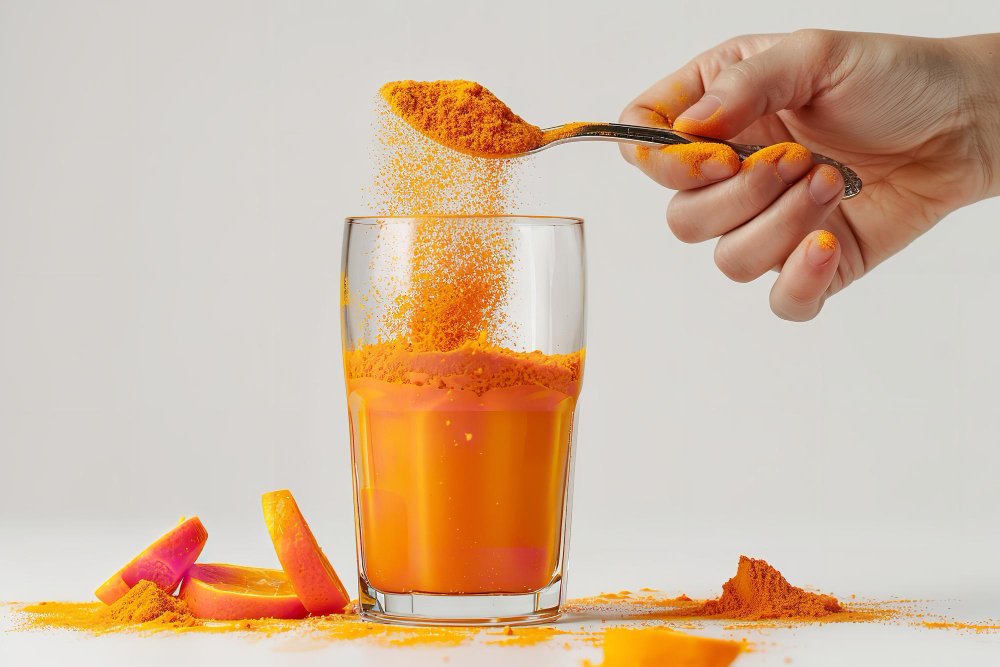
Fruit Drink Powder
Most of these are avoidable if the equipment is selected with the right material data. They become expensive when they surface after commissioning.
Coarse particles sink to the bottom of the cup — fines from over-milling form a surface gel layer that blocks wetting of the material below.
Sugar, maltodextrin and whey powder absorb moisture at every open transfer point — unenclosed blenders and extended dwell time cause caking before the product reaches packing.
Producing multiple SKUs on the same line creates cross-batch contamination risk — flavour carryover from a previous batch only surfaces in a consumer complaint.
Vitamins and minerals added at a few grams per hundred-kilogram batch are the most common source of fortification error — manual addition with a standard scale is not reliable enough for label compliance.
Spray-dried powders with low bulk density behave differently from ground powders inside ribbon blenders — fill ratio and speed must be validated on the actual formulation before production.
Flavour encapsulates are heat-sensitive — milling at standard rotor speeds releases the encapsulated oil before the product reaches the consumer.
Dense mineral carriers and light spray-dried powders segregate during pneumatic transfer — the blend at the filler is not the same blend that left the blender.
Premixes containing enzymes or probiotics degrade if processing temperature, dwell time or moisture exceeds the active ingredient's stability threshold — standard food processing conditions are not automatically safe for these ingredients.
Each row below pairs a process solution with the specific equipment used in beverage and instant mix applications. Click either side to go deeper.
Particle size control for consistent dissolution
Dissolution performance in an instant mix is directly determined by the particle size of each ingredient component. MillNest configures mills to deliver the target particle distribution for the specific ingredient — finer for fast-dissolving carriers, coarser for encapsulated flavours where too fine a grind would damage the encapsulation. For ultrafine grades, the MACM’s integrated classifier delivers tight D90 control across a continuous run without screen-change downtime.
Moisture control to prevent caking before packing
Multi-ingredient blending where every component matters
Instant beverage mixes combine base carriers, flavouring compounds, colour powders, sweeteners and functional actives — often with significantly different bulk densities and particle sizes. Achieving uniform distribution of every component, including trace-level vitamin and mineral additions, requires the blender to be specified for the actual formulation density range. Batch cycle time and blender fill ratio both need to be established by trial — a batch that is visually homogeneous is not necessarily analytically uniform at the micro level.
Recipe accuracy and traceability across 20+ SKUs
SCRW
Screw Conveyor
Sealed horizontal and inclined transfer for hygroscopic and abrasive fertilizer powders
CYCL / BAG
Cyclone + Bag Filter
Dust capture and product recovery at milling, transfer and packing points