
- Home /
- Industries /
- Agro & Fertilizer Powders
AGRO & FERTILIZER POWDER PROCESSING
Abrasion-resistant design
Hygroscopic material handling
Granule to powder
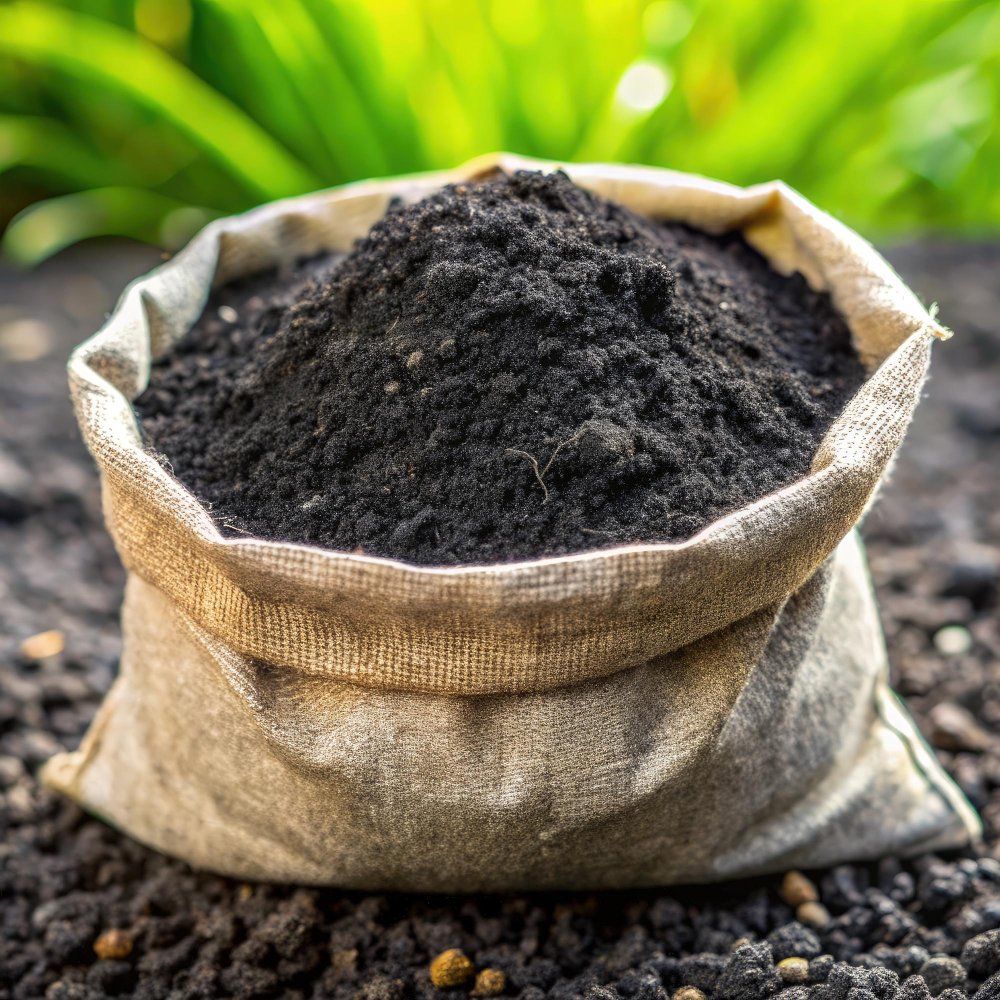
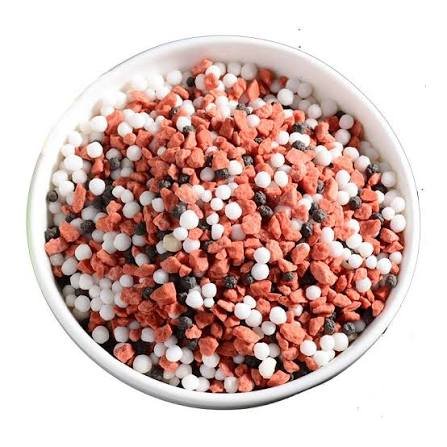
NPK Blends
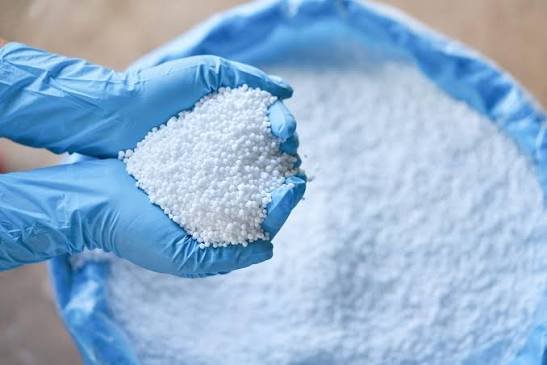
Urea Powder
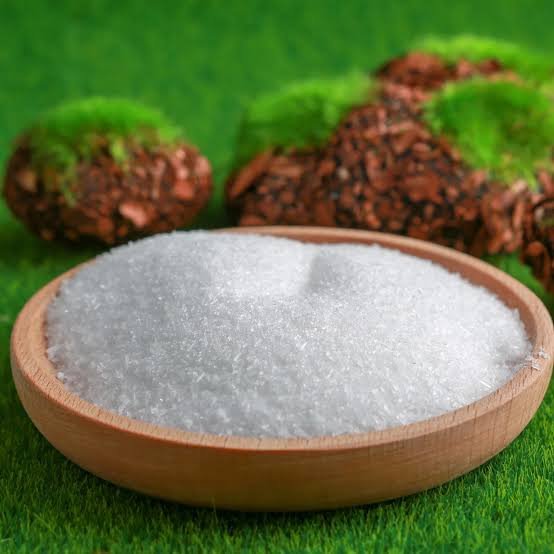
DAP & MAP
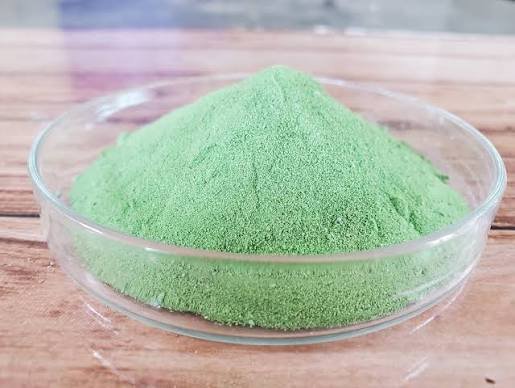
Micronutrient Mixes
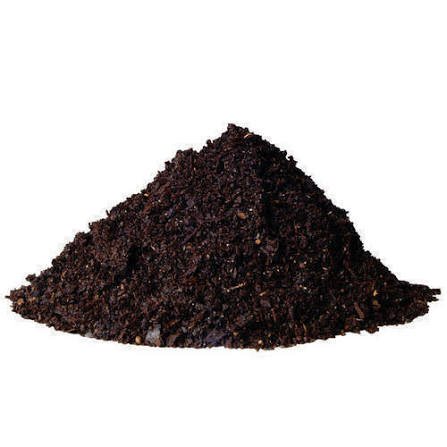
Bio-Fertilizer Powders
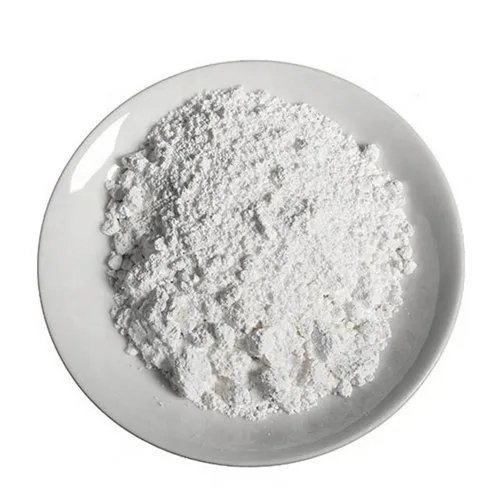
Water-Soluble Grades
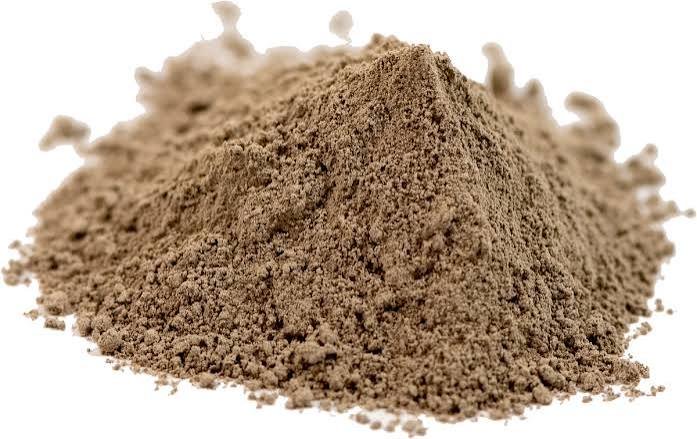
Rock Phosphate
Most of these are avoidable if the equipment is selected with the right material data. They become expensive when they surface after commissioning.
Rock phosphate and sulphate minerals wear through standard mill screens within months — without liner material matched to the mineral, particle size drifts and maintenance costs rise.
Urea and ammonium nitrate absorb moisture at every open transfer point — an unsealed discharge chute is enough to start caking that blocks feeders and jams packing lines.
Dense granular potash settles under lighter ammonium sulphate in NPK blends — batches look mixed but aren't, and segregation only shows up after field application.
High-speed milling generates enough heat to cause ammonium nitrate and certain NPK salts to smear on screens or degrade — lower rotor speeds and correct clearance resolve this.
Fine fertilizer dust at every transfer point is both a housekeeping problem and a health hazard — proper extraction and bag filtration are not optional on these lines.
Hygroscopic fertilizer powders cake in storage hoppers overnight — the next morning's production starts with a blocked hopper before the line can run.
Bio-stimulant blends combining carrier powders, trace minerals and organic inputs at different particle sizes are prone to separation — cycle time and fill ratio must be validated on the actual formulation.
Switching between nitrogen-based and phosphate-based products without full changeover cleaning affects the nutrient ratio of the next batch without any visible sign at the mill.
Each row below pairs a process solution with the specific equipment used in fertilizer powder applications. Click either side to go deeper.
Converting prills and granules to specified powder
Most fertilizer raw materials arrive as prills or coarse granules — not finished powder. Controlled size reduction to specification requires matching the mill type and configuration to the material’s hardness, heat sensitivity and target particle distribution. Abrasion-resistant screen and liner options for hard minerals. Low-energy mode for heat-sensitive salts.
Multi-component NPK blending where density matters
Restoring flowability after storage or post-drying
Hygroscopic fertilizer powders cake reliably during storage, especially in monsoon conditions. A delumper before the blender or filling machine breaks agglomerates back to free-flowing powder without over-grinding the underlying particle — keeping the specification intact while restoring processability.
Enclosed transfer and dust capture across the full line
SCRW
Screw Conveyor
Sealed horizontal and inclined transfer for hygroscopic and abrasive fertilizer powders
CYCL / BAG
Cyclone + Bag Filter
Dust capture and product recovery at milling, transfer and packing points