
- Home /
- Industries /
- Pharmaceuticals
Pharmaceuticals
GMP-compliant SS 316 construction
Contained API handling
Validated cleaning & batch records

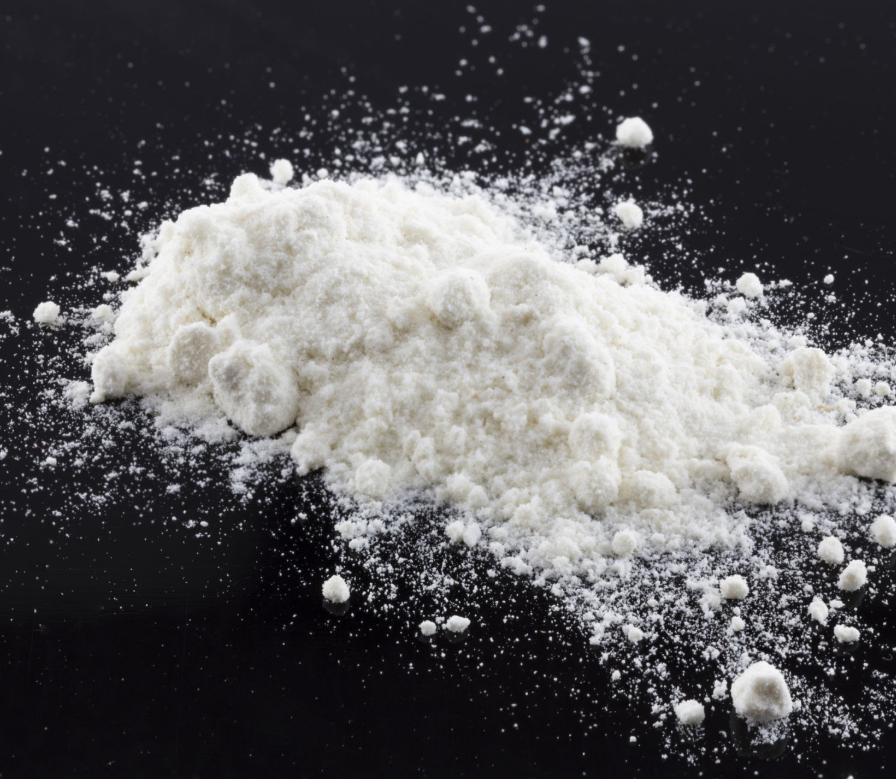
Active Pharmaceutical Ingredients (API)
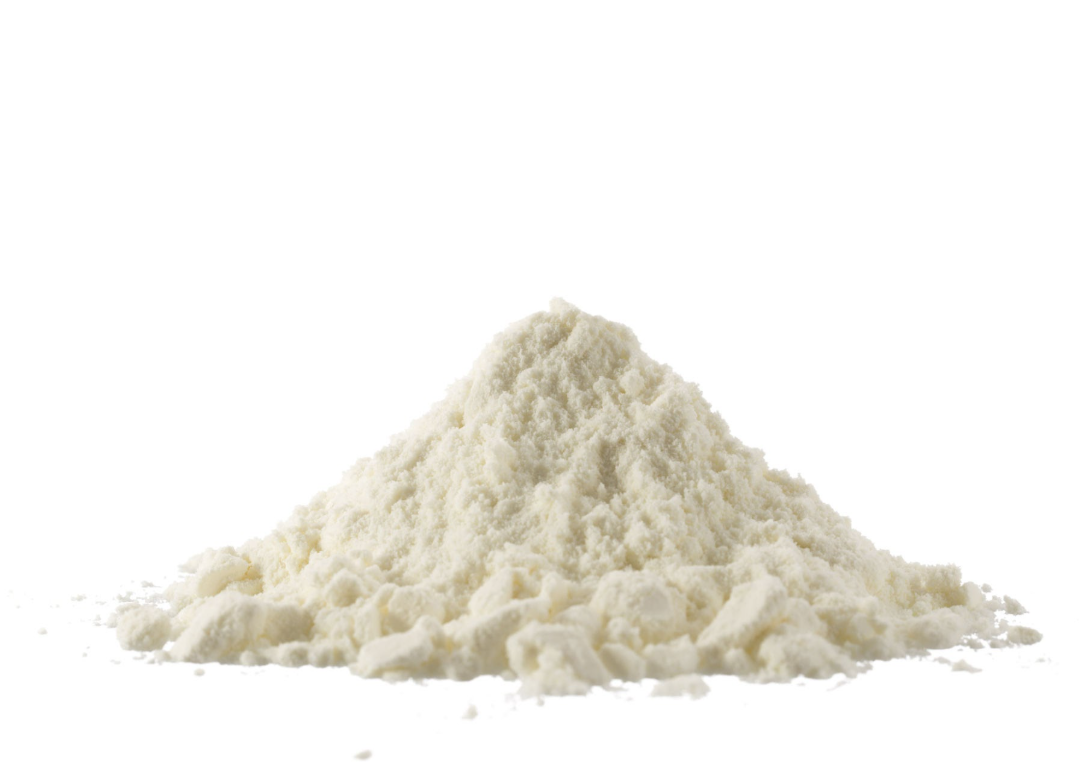
Lactose & Excipients
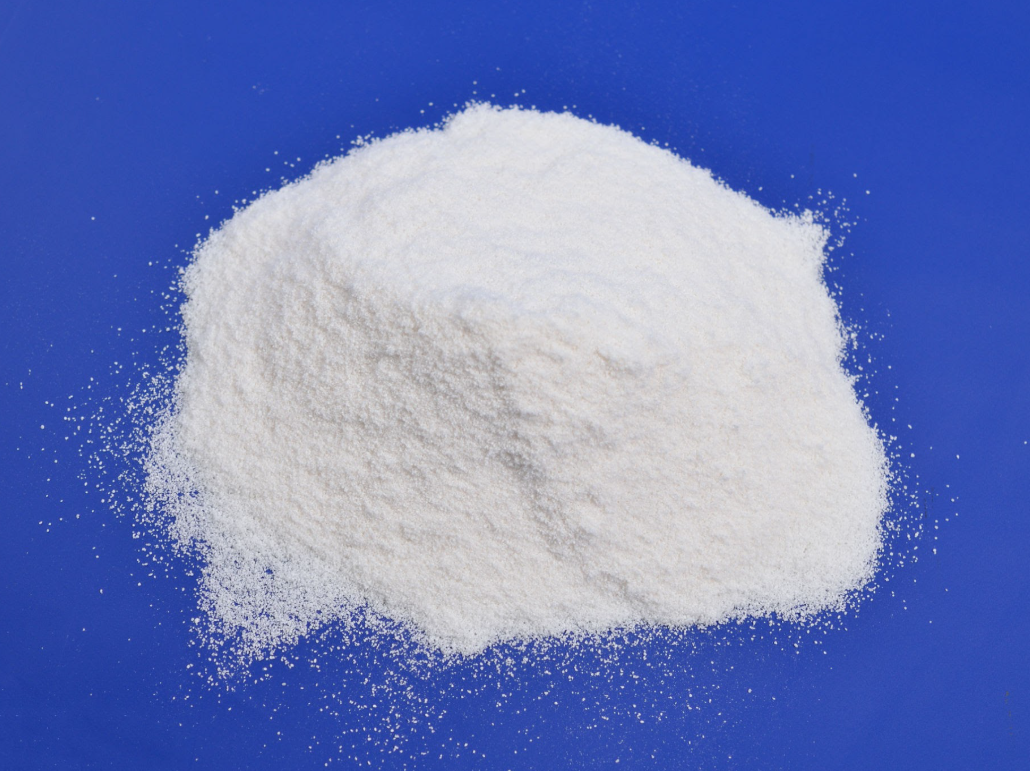
Microcrystalline Cellulose
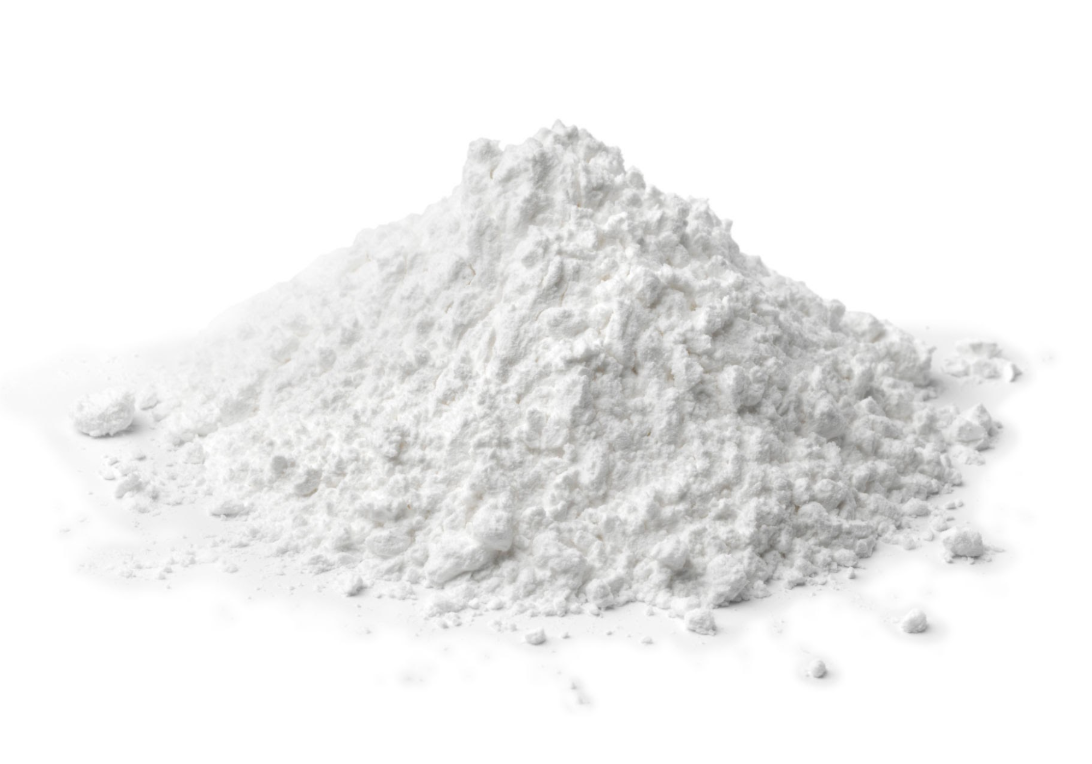
Starch USP & Modified
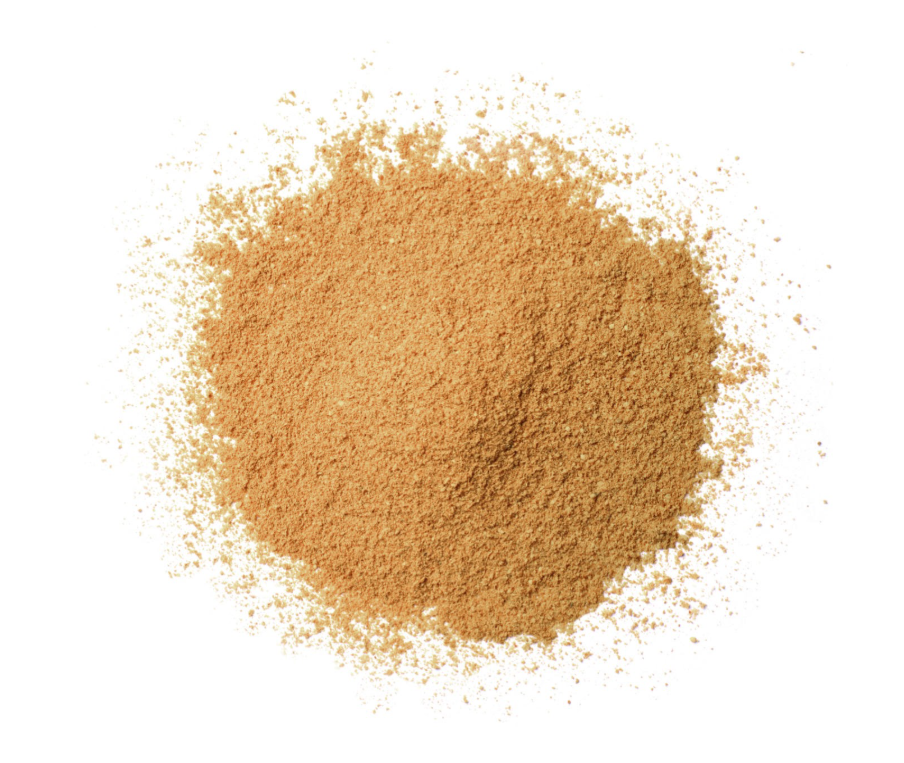
Herbal API & Botanical Extracts
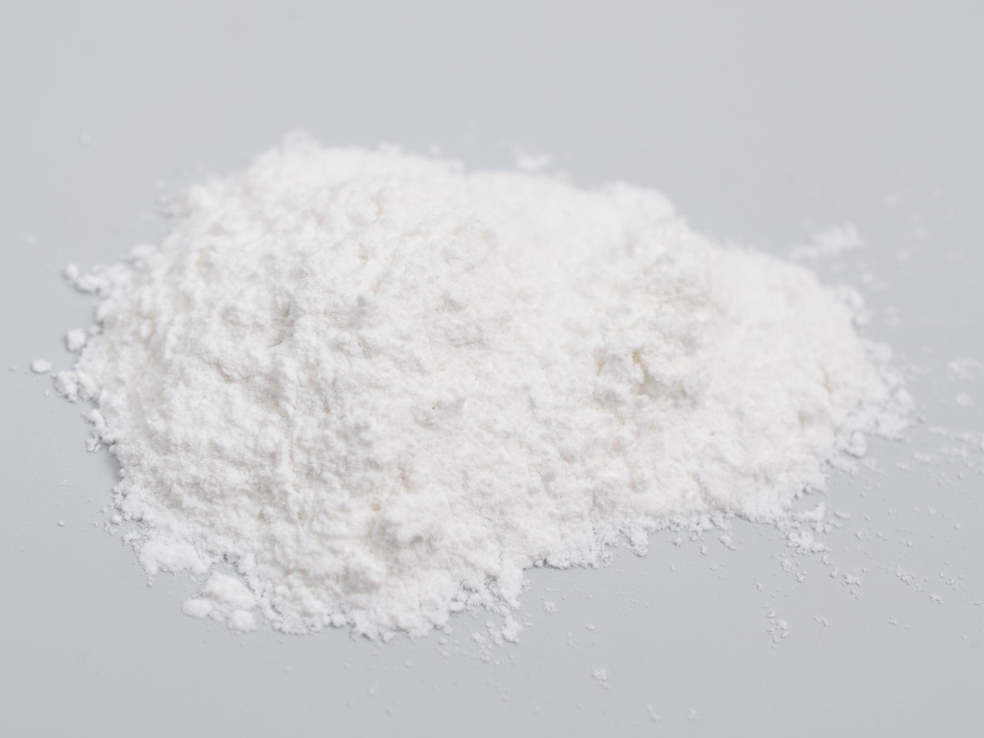
Talc & Magnesium Stearate

HPMC & Polymers
Most of these are avoidable if the equipment is selected with the right material data. They become expensive when they surface after commissioning.
Particle size that drifts during a production run affects how the active ingredient dissolves in the body — a tablet that looks correct can still fail dissolution testing.
Active ingredients added at very small quantities to a large batch are the most common source of blend uniformity failure — the tablet at one end of the compression run contains a different dose than the tablet at the other end.
Running multiple product grades on the same machine without proper cleaning leaves traces of the previous product in the next batch.
Residue left in mill or blender dead zones from a previous product batch contaminates the next — in pharmaceutical manufacturing this is a regulatory failure, not just a quality issue.

Fine pharmaceutical powders generate dust at every transfer point — in a GMP facility, airborne powder is a containment failure, a yield loss and an operator safety issue simultaneously.
Over-milling an active ingredient reduces particle size below the target range and changes how it behaves during compression — tablets crack, cap or fail hardness testing as a result.
Granules that are too dry become brittle during compression — tablets formed from over-dried granules fail friability testing and generate excessive fines on the production line.
Cleaning validation on shared pharmaceutical equipment requires documented proof that no residue from the previous product remains — equipment with poor access for inspection cannot be validated and cannot be used.
Each row below pairs a process solution with the specific equipment used in pharmaceutical powder applications. Click either side to go deeper.
Specification-holding size reduction for pharmaceutical powders
Pharmaceutical milling is specification-driven in a way that other industries are not — the particle size distribution is a validated parameter, not a quality target. The MACM is the standard equipment choice for API size reduction where D90 or D97 must be held within specification across a full campaign: the integrated classifier recirculates oversize material until specification is met, eliminating screen changes and the specification drift that accompanies them. For excipient milling and dry granule sizing, the universal mill offers multi-mode flexibility with GMP-compliant SS 316 construction and validated cleaning capability.
MHAM
Hammer Mill
Primary prill and granule size reduction — abrasion-resistant configurations for hard mineral grades
MACM
Air Classifying Mill
Fine powder for water-soluble grades — D90 control, prevents heat build-up on sensitive salts
GMP blending with RSD <5% uniformity at dosage unit level
MBRL
Ribbon Blender
Double-helical ribbon handles density variation across the full batch — standard choice for dry NPK mixing
MPBL
Paddle / Plough Blender
Where ribbon action doesn't achieve uniformity — denser, cohesive or difficult-to-blend formulations
Operator protection at every potent API handling stage
Potent API handling requires containment at every point where the powder is exposed — mill inlet, mill outlet, transfer to blender, intermediate bin discharge. The containment requirement is defined by the API’s occupational exposure limit (OEL) and the quantities involved. MillNest designs contained transfer systems — closed mill discharge with glove ports, contained bin-to-bin transfer, local exhaust ventilation at exposure points — specific to the OEL of the material being processed. Dust capture at all generation points uses SS 316 cyclone-bag filter systems configured for the specific material’s particle characteristics.
MLUM
Delumper
Gentle lump breaking on caked hygroscopic powders — restores flow without changing the powder spec
GMP-compliant dosing with electronic batch records
SCRW
Screw Conveyor
Sealed horizontal and inclined transfer for hygroscopic and abrasive fertilizer powders
CYCL / BAG
Cyclone + Bag Filter
Dust capture and product recovery at milling, transfer and packing points