
Instant Mixes & Beverage Powders
A premix that tastes correct on the bench but clumps in the sachet is a processing problem, not a formulation problem. Dispersibility — the measure of whether a powder dissolves cleanly in 30 seconds or forms floating lumps — is determined by the particle size of each ingredient going into the blend and by the blending sequence, not by the flavour development stage. Every Indian premix brand focuses on the recipe. MillNest focuses on the processing line that makes the recipe perform consistently in every sachet the consumer opens.
Dispersibility-optimised particle size
Flavour & spice micro-dosing accuracy
Segregation-resistant blending & discharge
Masala Chai & Tea Premix
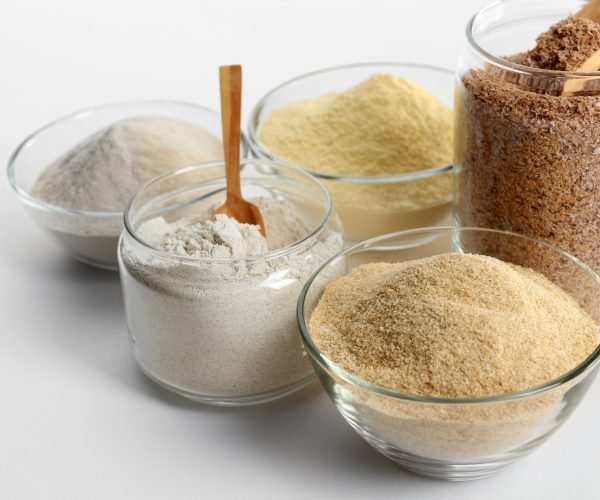
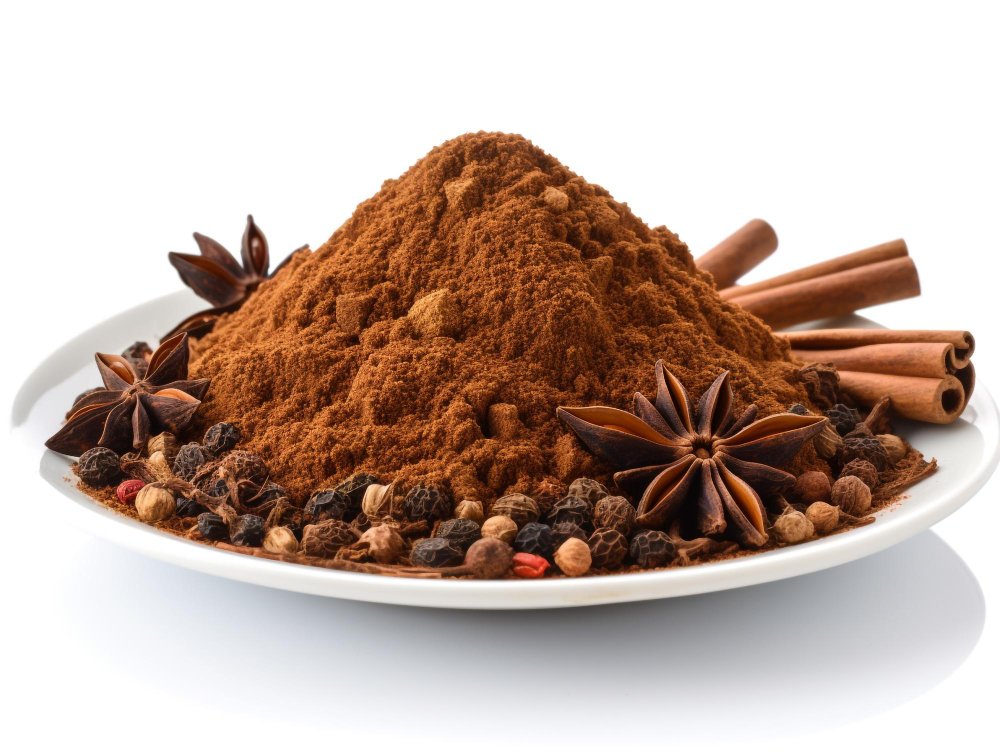
India's highest-volume premix category. Sugar is thermoplastic above 35°C — grinding and blending temperature critical. Dairy whitener is hygroscopic. Spice extracts and flavours at low percentages require micro-dosing for taste consistency.
Coffee Premix (3-in-1)
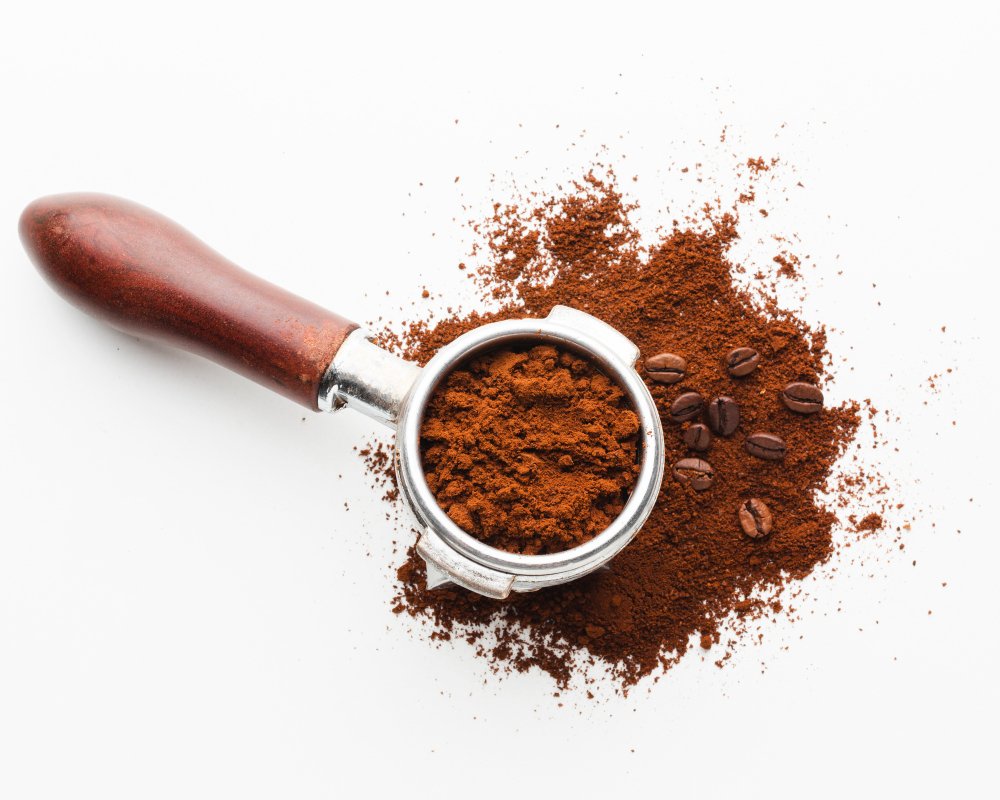
Density mismatch between coffee powder (~0.3 g/ml) and sugar (~0.8 g/ml) creates high segregation risk during discharge. Coffee is hygroscopic and absorbs moisture rapidly at open transfer points.
Instant Soup Mix
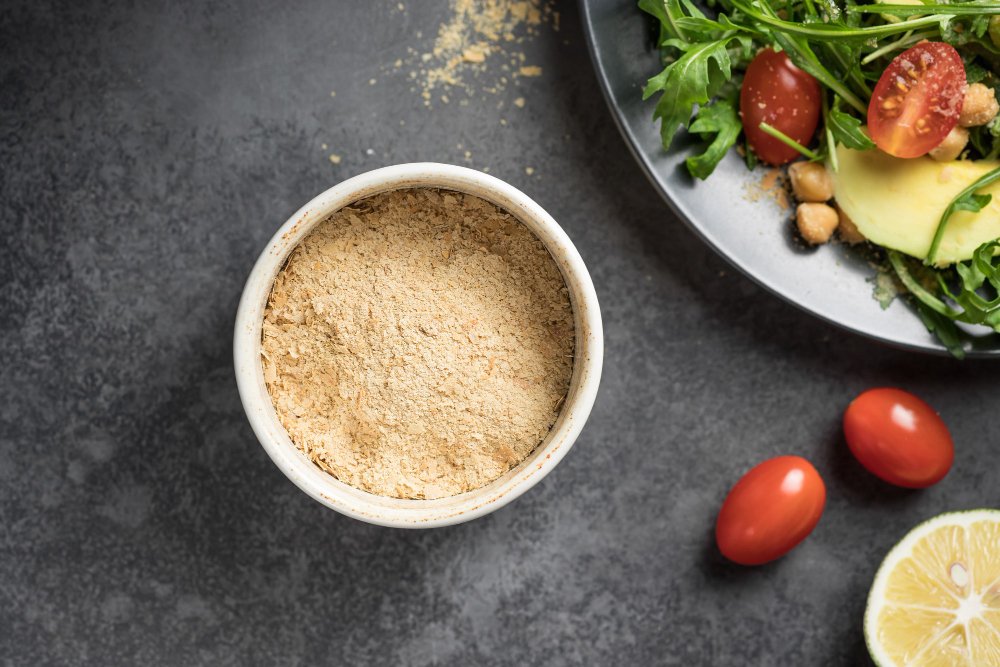
Multi-ingredient blends with high ingredient count. Dehydrated vegetable powders are hygroscopic and fragile — gentle mixing required. Starch at high percentage affects blend flowability. Spice levels must be accurate for consistent flavour.
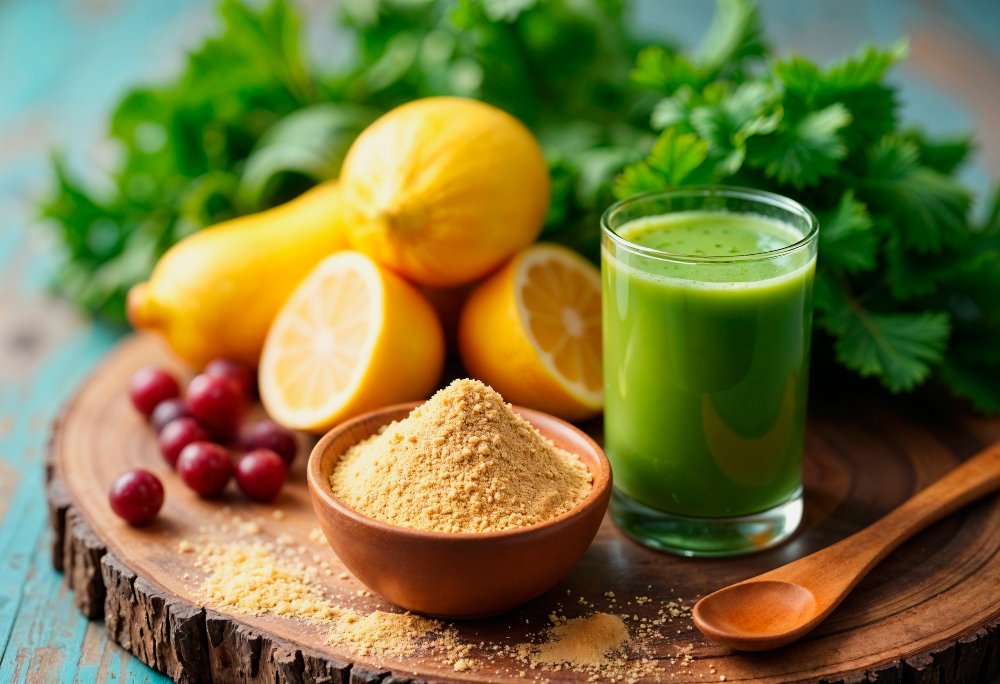
Health Drink Premix
Vitamin and mineral additions at gram level per batch require micro-dosing accuracy. Malt and cocoa powders are cohesive — they bridge in hoppers and resist blending with free-flowing sugar. Order of addition is critical.
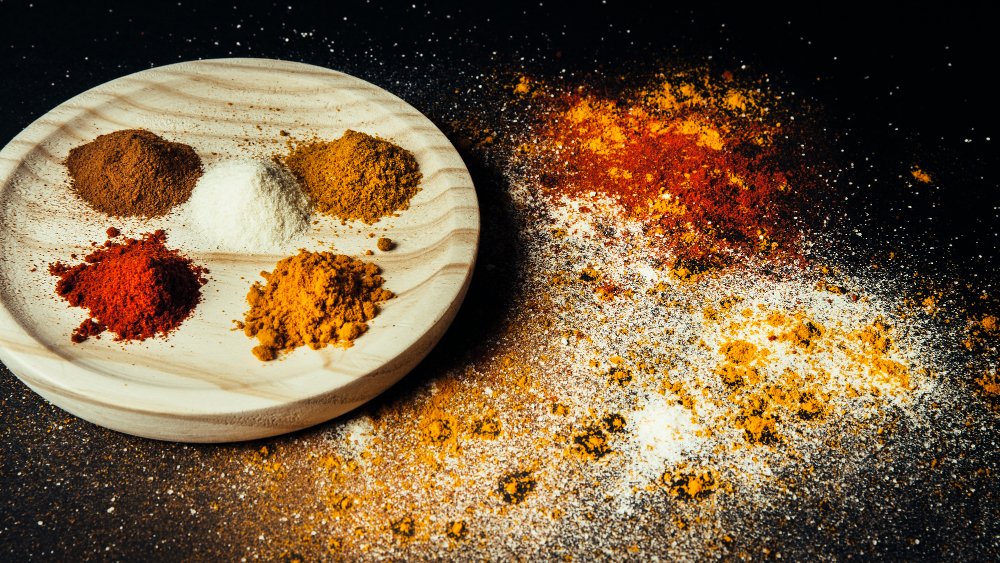
Masala Blends & Seasoning Mixes
Volatile oil retention during grinding is critical — spice powders ground too fine lose aroma rapidly. Blend uniformity at the serving level (5–10g per dish) determines whether flavour is consistent. Heat-sensitive spice volatiles degrade above 60°C.
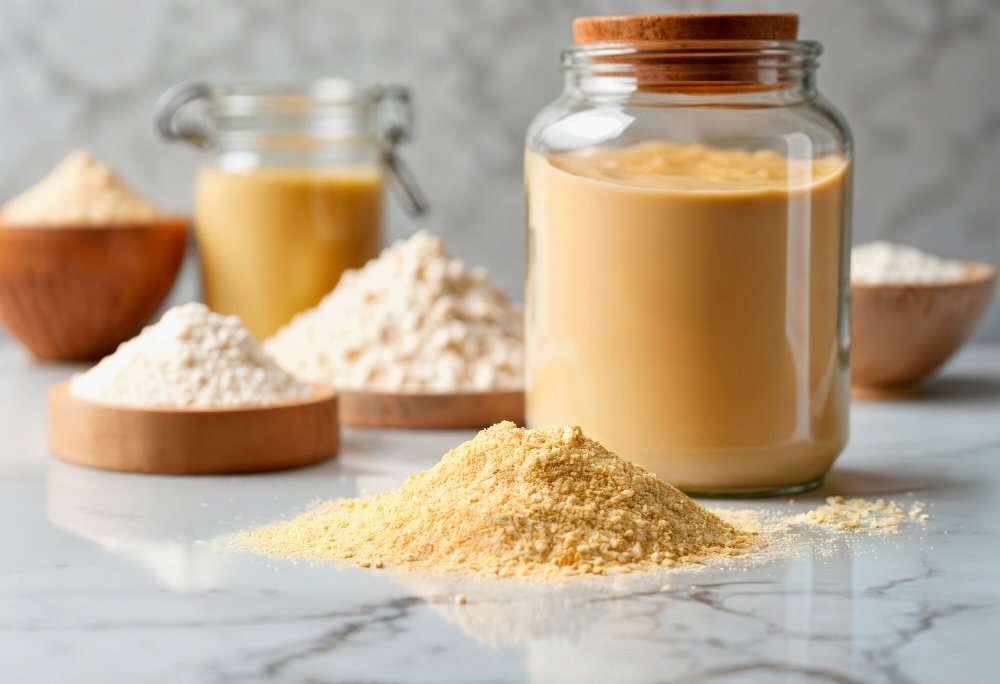
Instant Beverage Concentrates
Citric acid is highly hygroscopic — absorbs moisture aggressively from blending environment and promotes caking. Sugar grinding temperature critical (thermoplastic above 35°C). Free-flowing powder requires controlled particle size and anti-caking management.
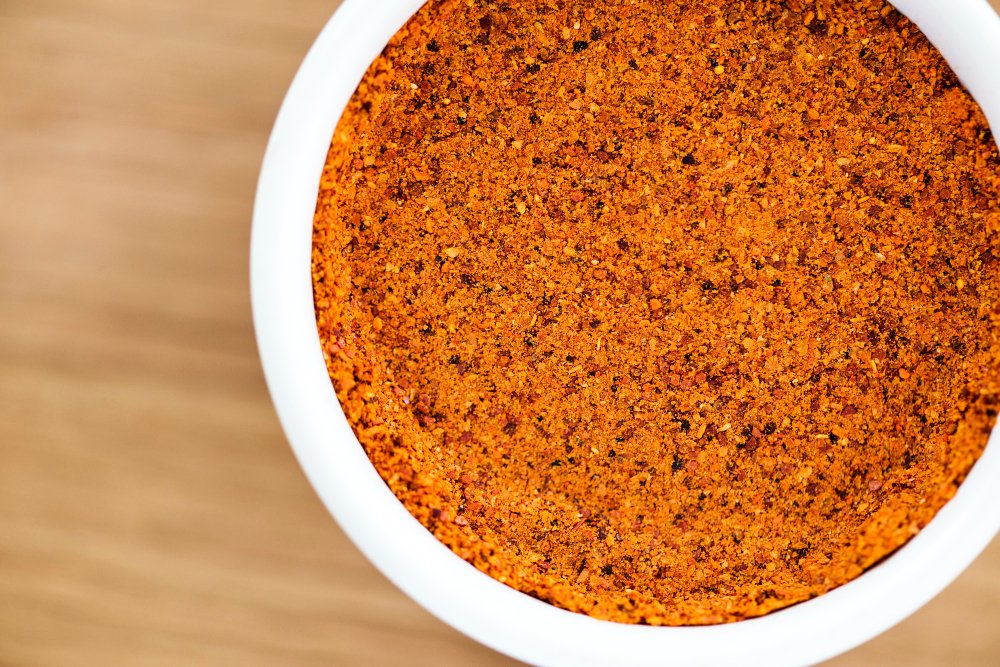
Instant Gravy & Curry Base
Dehydrated onion and garlic powders are hygroscopic — they cake rapidly at open transfer points. Combined with spice powders of different bulk densities, segregation during packing hopper discharge is a common issue.
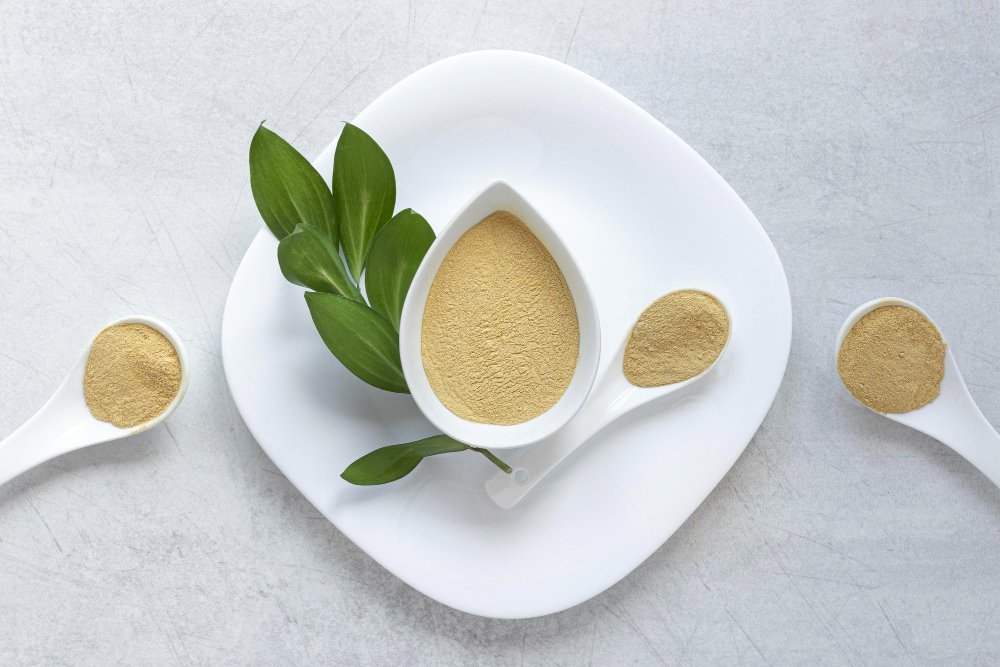
Functional Herbal Premix
Heat-sensitive botanical extracts degrade above 50°C. Honey powder is extremely hygroscopic. Active herbal compounds at low percentages require micro-dosing. Growing category for Ayurvedic and health-positioned beverages.
Instant mix production requires controlling both the technical (particle size, blend uniformity) and the operational (moisture, temperature, ingredient sequencing) simultaneously. The line design determines whether both are achievable together.
Dispersibility (Dissolution Time)
Target: complete dissolution in 30 seconds in hot water
The primary consumer-facing quality metric. Determined by the particle size of carrier ingredients before blending — not by blending parameters. Sugar carrier ground too coarsely, dairy whitener with surface moisture, or starch particles above specification all reduce dispersibility. Once an ingredient is blended, poor dispersibility cannot be corrected.
Flavour Consistency (Sachet to Sachet)
Spice and flavour levels must be uniform per sachet
Flavour variation between sachets from the same batch is not a formulation problem — it is a blend uniformity problem. Spice powders at 1–5% of the formulation, added on top of bulk sugar in the blender, concentrate in the first sachets filled from the blender if the blend was not uniform at the sachet level. Blend parameters must be established for each specific formulation, not assumed from previous products.
Moisture Content
Typically <3% for sugar-based premixes
Moisture in the finished premix accelerates caking during storage, degrades spice aroma, promotes microbial growth and reduces shelf life. Hygroscopic ingredients — sugar, dairy whitener, dehydrated vegetables, citric acid — absorb moisture from the blending environment and from residual humidity in poorly sealed packs. Moisture management from ingredient milling through to sealed packing is the primary shelf life determinant.
Spice Aroma Retention
Volatile compounds measured against reference standard
The characteristic aroma of masala chai or ginger-turmeric premix comes from volatile compounds in the spice powders — and these evaporate continuously from the moment spices are ground. Spice powders ground too fine lose aroma faster than coarser grinds because of higher surface area. Processing temperature during grinding is the second variable. Both must be controlled: correct fineness for dispersibility without excessive volatile loss.
Flowability (Free-Flow Score)
Free-flowing: angle of repose <35° for vending-grade premix
Vending machine premixes must flow freely and consistently through dispensing augers, sachet-fill machines and portioning systems. Cohesive blends that bridge in hoppers produce inconsistent fill weights and variable cup strength. Flowability is affected by moisture content, particle size of components and the presence of cohesive ingredients (cocoa, malt). Anti-caking agent addition at the milling stage — not post-blend — is the correct approach for flowability-challenged ingredients.
Batch Documentation (FSSAI Schedule 4)
Complete ingredient addition records with electronic verification
FSSAI-regulated premix and instant food manufacturers must maintain batch records documenting every ingredient addition. Spice and flavour additions at gram level per batch — which determine the product's characteristic taste — must be documented with scale calibration, operator ID and timestamp. For export-bound premixes, the batch documentation standard escalates to the importing market's requirement.
Each ingredient milled to its dispersibility-optimised particle size before blending
MACM
Air Classifying Mill
Sugar, dairy whitener and spice powders — D90 specification, temperature-controlled, consistent dispersibility across full campaign
MHAM
Hammer Mill
Coarser carrier ingredients and starch milling — controlled speed, interchangeable screens for multiple ingredient grades
MLUM
Delumper
Breaking storage cakes in incoming hygroscopic ingredients — restores free-flow before milling without over-grinding
Accurate dosing from bulk carriers to gram-level spice and flavour additions
WH
Auto-Weigh Hopper
Sequential major ingredient dosing — recipe lock-out, electronic batch record, operator verification per addition
MICRO
Micro-Dosing Station
Spice extracts, flavours and vitamin additions — ±1g resolution, guided workflow, auto-generated FSSAI Schedule 4 record
Blend sequence, fill ratio and discharge method validated per formulation
MRBL
Ribbon Blender
Instant mix blending — gentle double-helical action, controlled discharge speed to minimise density-driven segregation during emptying
MPBL
MPBL Paddle / Plough Blender
Cohesive formulations with cocoa, malt or high-density ingredients — intensive mixing breaks up cohesive agglomerates before discharge
Zero open-air dwell time between blender discharge and sealed sachet
Instant mix powders — particularly those containing sugar, dairy whitener, hygroscopic spice extracts and citric acid — absorb atmospheric moisture faster than almost any other food powder category. Even a few minutes of exposure at an open fill hopper in a humid environment is enough to initiate surface crystal dissolution in sugar and recrystallisation as hard lumps in the packed sachet. For vending machine premixes, the target is free-flowing powder through the dispensing mechanism — any surface caking converts a dispensable powder into a bridging one. The packing station design must minimise the path length and open-air exposure time between the blender outlet and the sealed pack. In humid climates during monsoon months, ambient humidity control at the packing station is required for sugar-based premixes.
PNEU
Pneumatic Transfer
Enclosed blender-to-packing transfer — no open connections, moisture exclusion for hygroscopic premix powders
FILL
Auto-Fill Sachet Packing
Consistent fill weight into moisture-barrier sachets or pouches — immediate sealing minimises open-air exposure
Create Instant Mixes & Blends That Deliver Exceptional Taste Every Time
From recipe formulation and precise ingredient blending to hygienic packaging, we craft instant mixes that combine convenience with consistent quality. Our advanced processing techniques preserve freshness, flavor, and nutritional value, ensuring every product meets the highest industry standards. Partner with us to bring innovative, ready-to-use food solutions to your customers.