
- Home /
- Industries /
- Nutraceuticals
Nutraceuticals
Active content accuracy per serving
Batch records for label compliance
Heat-sensitive active protection
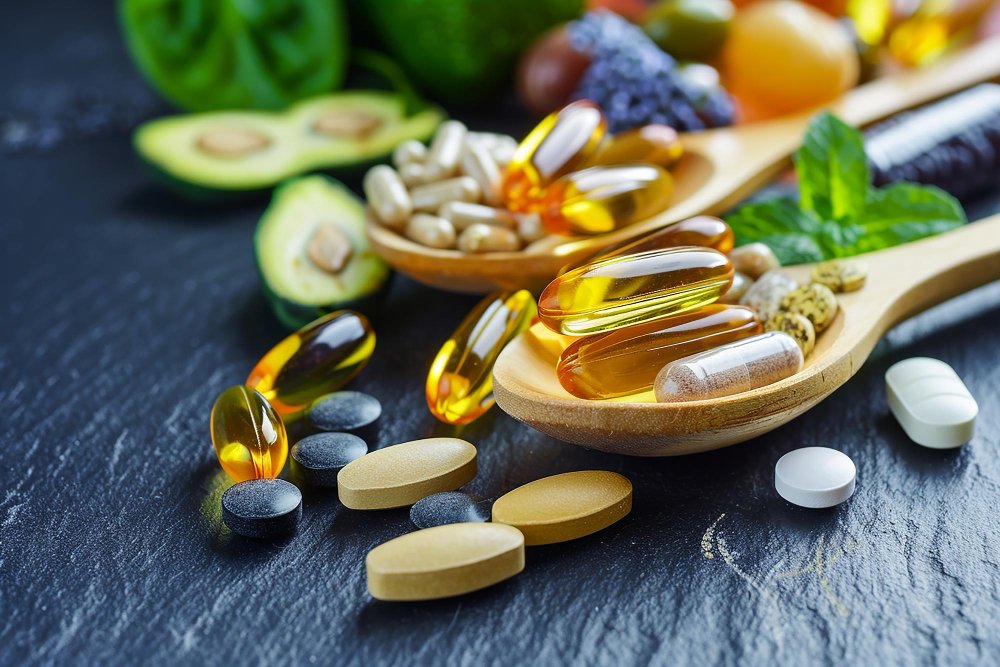
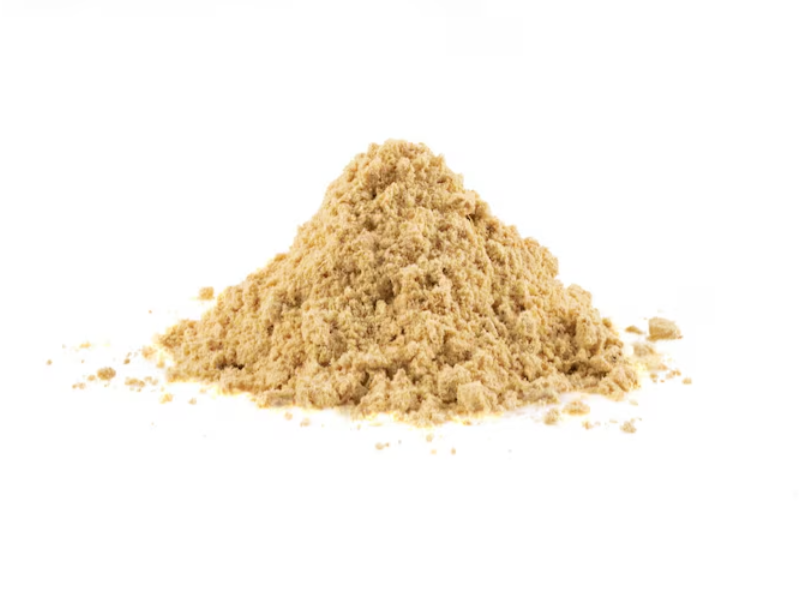
Protein Powder Blends
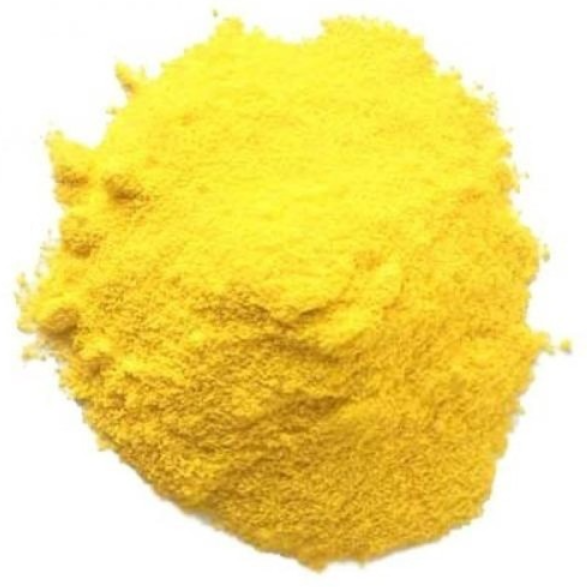
Vitamin Premixes
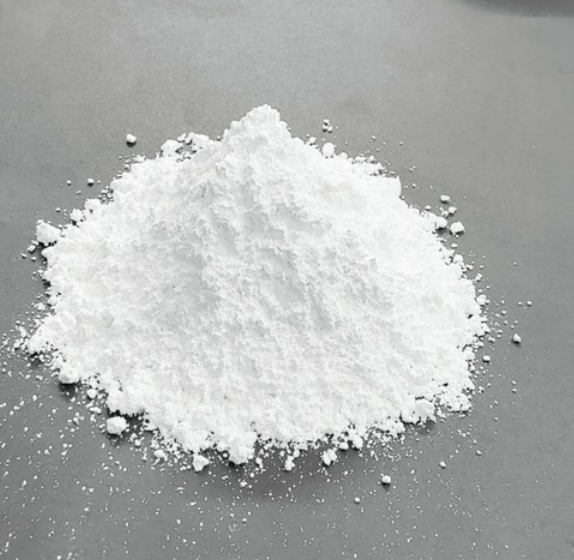
Mineral Supplements
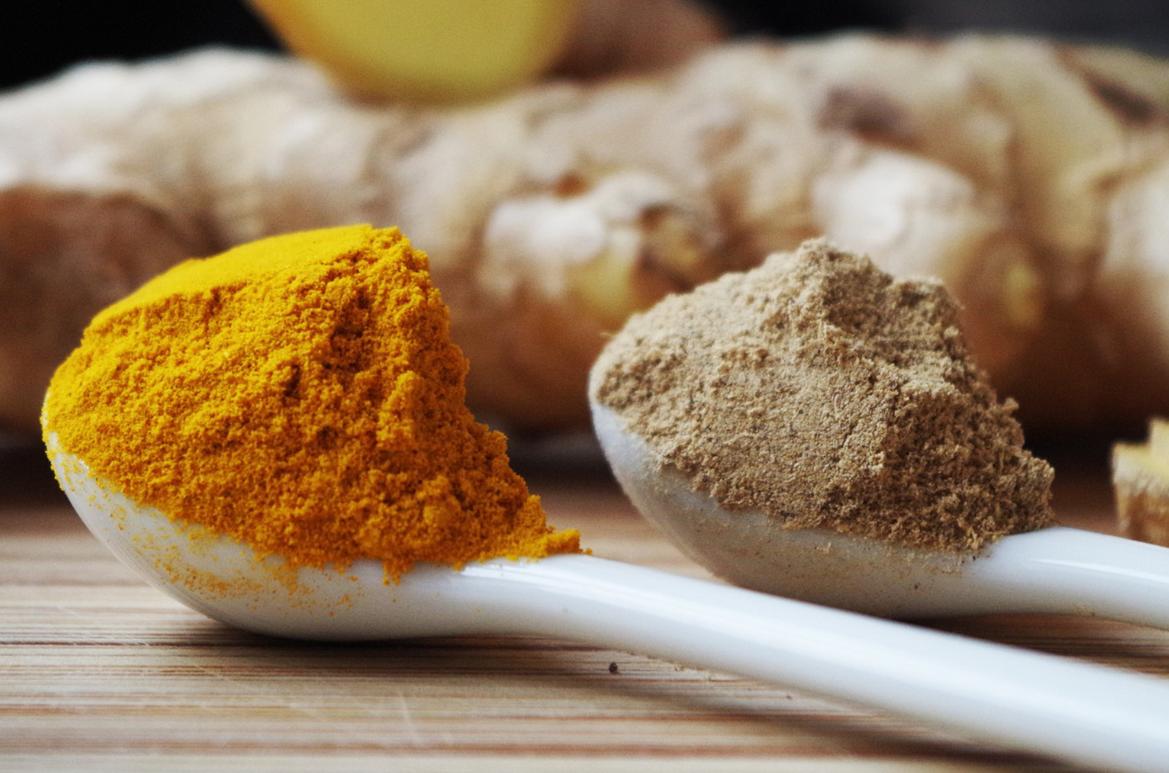
Herbal Extracts & Botanicals
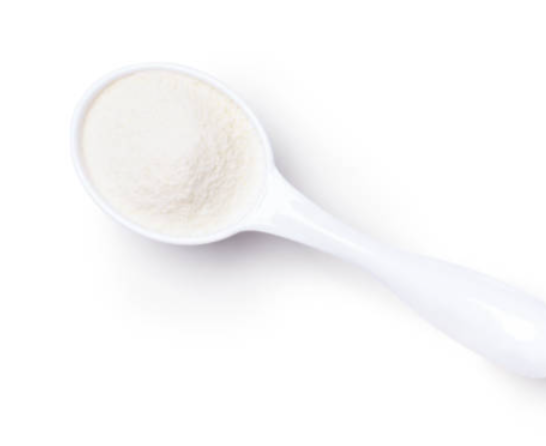
Collagen Peptides
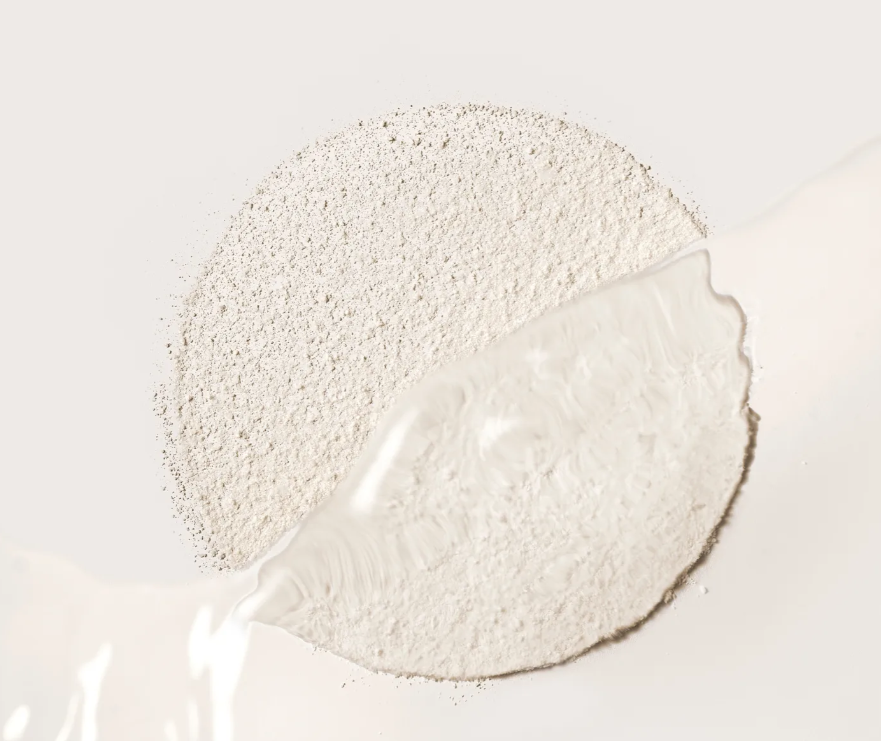
Probiotic Powders

Ayurvedic Herb Powders
Most of these are avoidable if the equipment is selected with the right material data. They become expensive when they surface after commissioning.
Heat generated during standard milling degrades active compounds in ashwagandha, moringa and turmeric extract — the potency loss is invisible but shows up in finished product testing.
Herbal powders with high fibre content block standard mill screens within minutes — throughput drops and heat builds up before the operator notices anything is wrong.
Botanical powders absorb moisture from the air within minutes of milling — open handling between mill and packing station reduces shelf life before the product is sealed.
Blending multiple herbal and mineral ingredients at very different particle sizes results in separation — the capsule or sachet at the end of the line does not contain the same ratio as the recipe.
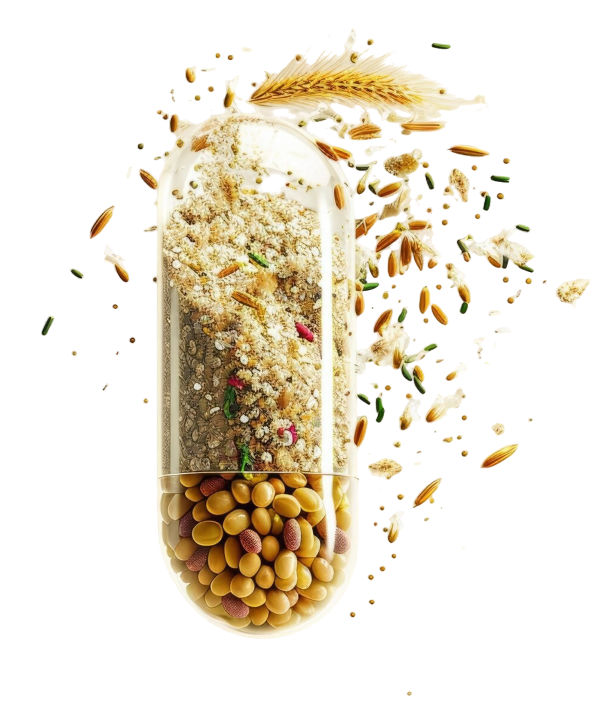
Adding active ingredients at a fraction of a gram per kilogram batch by hand is too imprecise for label compliance — small dosing errors have a large impact at finished product potency.
Sterilizing botanicals and herbal extracts at standard spice sterilization temperatures destroys the bioactive compounds the product is sold for.
Cross-contamination between herbal products on shared equipment is a regulatory risk — residues from a previous batch affect the identity and purity of the next product.
Nutraceutical powders with poor flow characteristics bridge inside hoppers and feeders — uneven flow into the packing machine causes fill weight variation across the production run.
Each row below pairs a process solution with the specific equipment used in nutraceutical powder applications. Click either side to go deeper.
Active-protecting milling for bioavailability and stability
Nutraceutical milling needs to achieve the target particle size without compromising the bioactive content of the material being processed. Particle size affects dissolution rate, bioavailability and the sensory experience of the finished product — too coarse and actives don’t dissolve efficiently, too fine and heat-sensitive compounds degrade at the screen. MillNest establishes the correct milling mode, rotor speed and temperature profile from trial data on the actual active-containing material. The universal mill is frequently used for nutraceutical applications where multiple milling modes need to be evaluated before the final process is specified.
MHAM
Hammer Mill
Primary prill and granule size reduction — abrasion-resistant configurations for hard mineral grades
MACM
Air Classifying Mill
Fine powder for water-soluble grades — D90 control, prevents heat build-up on sensitive salts
Blend uniformity validated at the serving level
MBRL
Ribbon Blender
Double-helical ribbon handles density variation across the full batch — standard choice for dry NPK mixing
MPBL
Paddle / Plough Blender
Where ribbon action doesn't achieve uniformity — denser, cohesive or difficult-to-blend formulations
Gram-level active dosing with documented verification
Nutraceutical batch production requires accurate dosing across an unusually wide quantity range — protein carrier in tens of kilograms, vitamin premix in hundreds of grams, mineral active in tens of grams and botanical extract potentially in single-digit grams — all in the same batch. Each tier requires a different weighing resolution. A dedicated micro-dosing station with high-resolution load cells, slow-speed auger feed and operator-guided confirmation at each step is the correct approach for the minor and trace additions. Electronic batch records generated at each addition are the documentation baseline for label compliance audits.
MLUM
Delumper
Gentle lump breaking on caked hygroscopic powders — restores flow without changing the powder spec
Moisture-protected transfer for stability-sensitive actives
SCRW
Screw Conveyor
Sealed horizontal and inclined transfer for hygroscopic and abrasive fertilizer powders
CYCL / BAG
Cyclone + Bag Filter
Dust capture and product recovery at milling, transfer and packing points