
Turmeric Processing PLANT
Turmeric is the only spice where the buyer’s primary quality metric is not colour, aroma or fineness — it is curcumin content, measured as a percentage. Curcumin is what the food manufacturer is buying for colour stability, what the pharmaceutical company is buying for bioactive standardisation and what the oleoresin extractor is paying a premium for. Every stage of the processing line — from curing through to grinding — either protects or depletes the curcumin content that arrived in the raw rhizome. MillNest designs turmeric processing lines around the target curcumin grade and the end application.
Curcumin content as primary metric
Two-stage milling — kibble to fine
Colour value protection
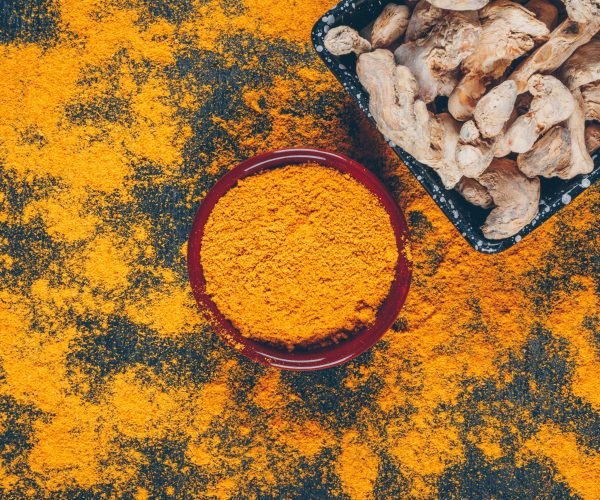
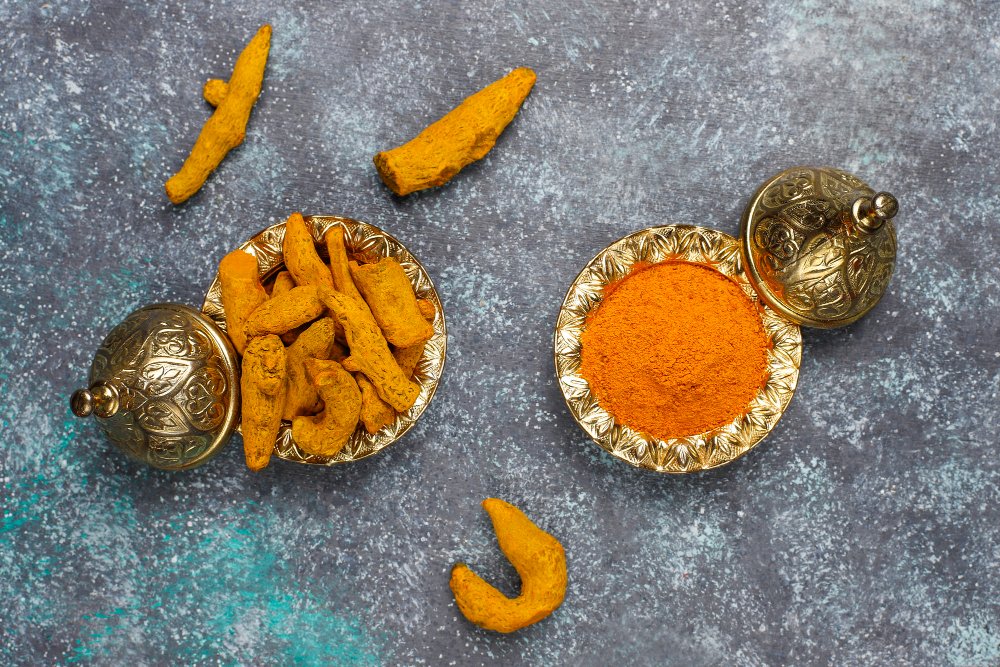
Erode / Rajapuri (Tamil Nadu)
India's highest curcumin variety. Primary export grade and pharmaceutical-grade raw material. High-value processing line — every percentage point of curcumin yield matters commercially.
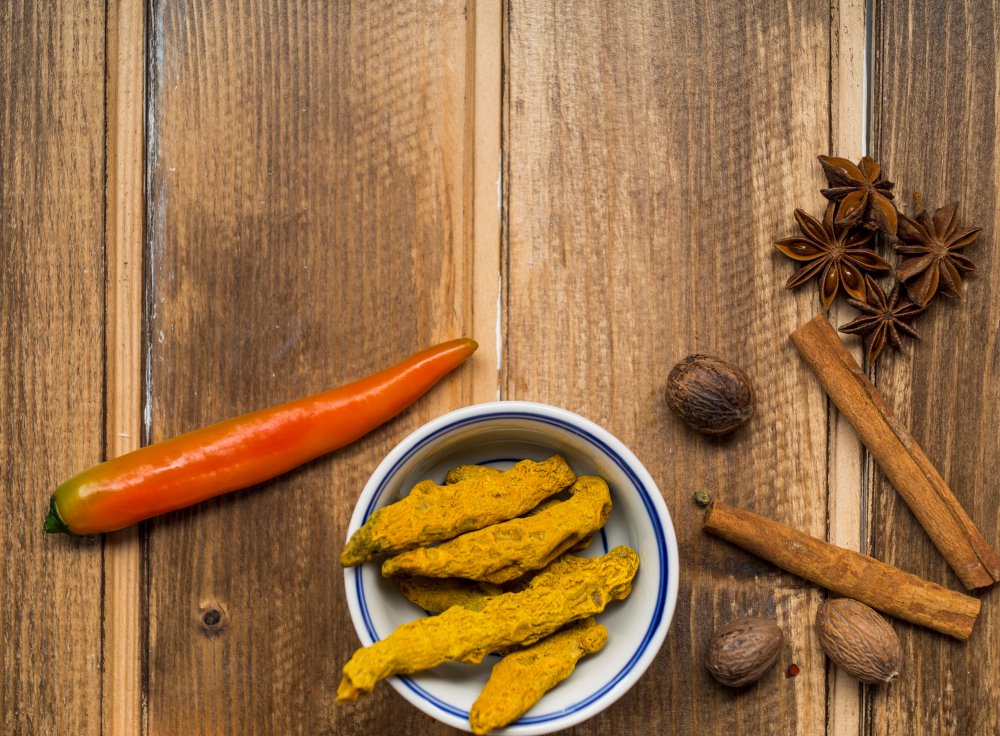
Salem (Tamil Nadu)
Good colour and curcumin balance. Well-known export variety. Produced as whole fingers and powder. Uniform rhizome size reduces sorting time before curing.
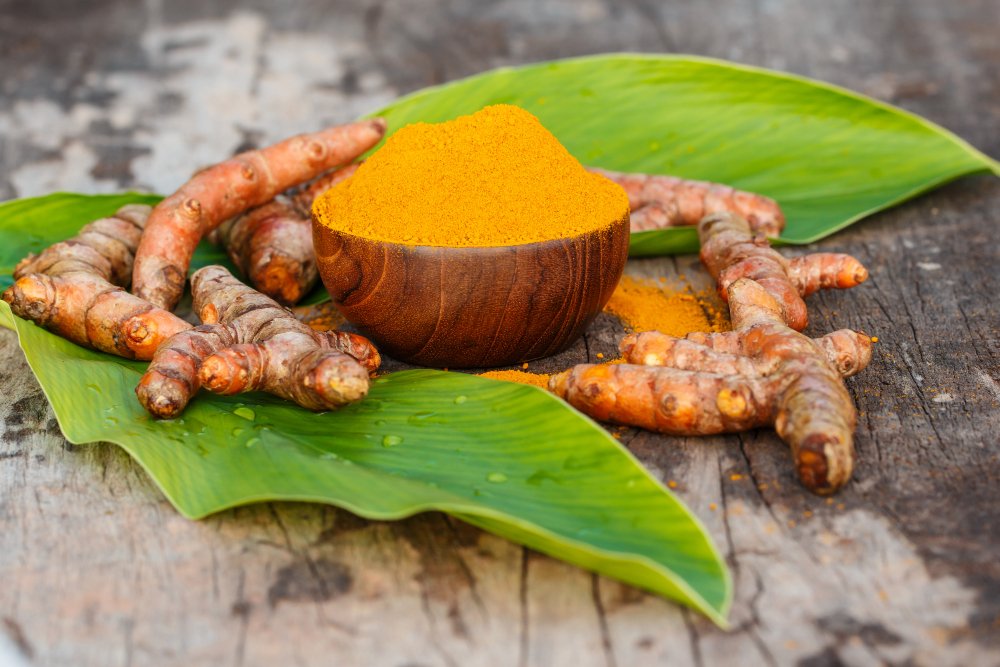
Sangli (Maharashtra)
Medium curcumin, bright colour on curing. Primary supply for domestic spice powder market. Maharashtra's largest turmeric trading hub.
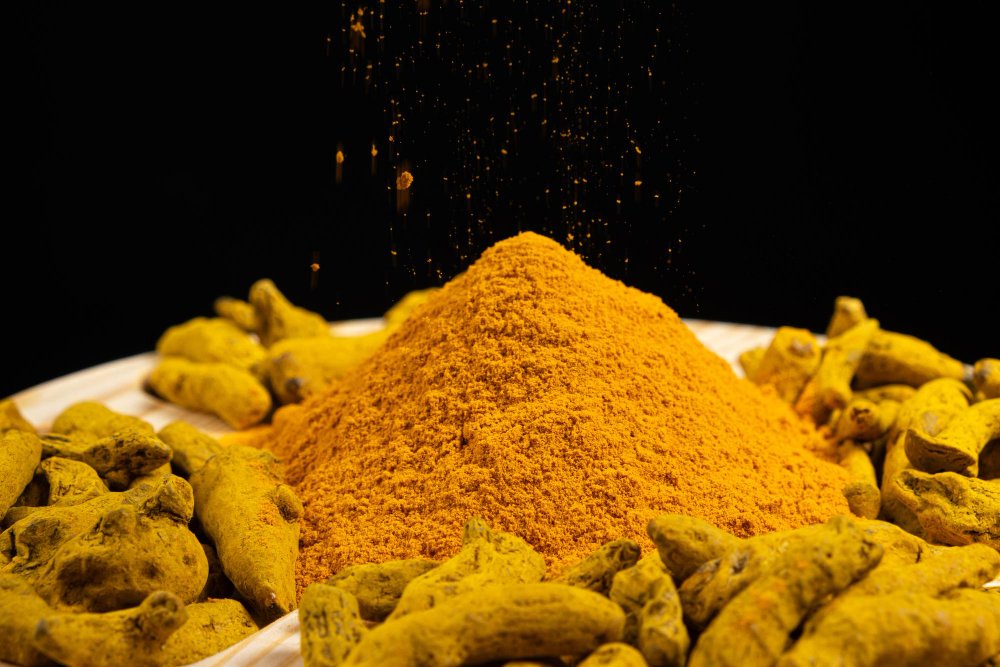
Nizamabad (Telangana)
Distinctive bright colour. Used in domestic powder blends. Robust rhizome size makes cleaning and boiling more uniform on larger processing batches.
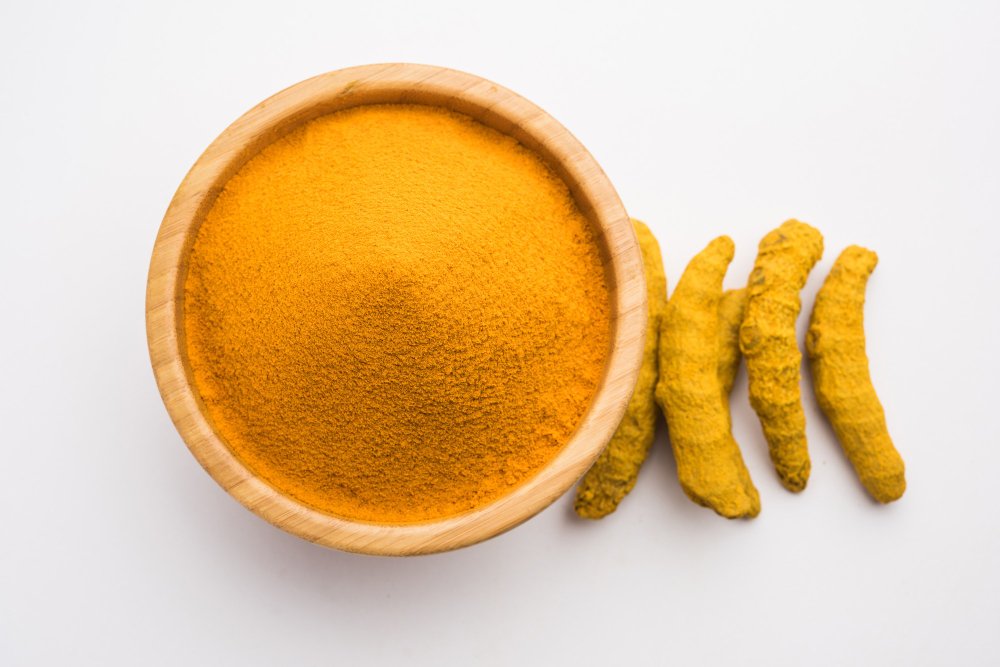
Alleppey (Kerala)
High curcumin, traditionally associated with Alleppey Finger grade. Deep orange-yellow powder. Oleoresin extraction commonly uses this variety due to high colour value.
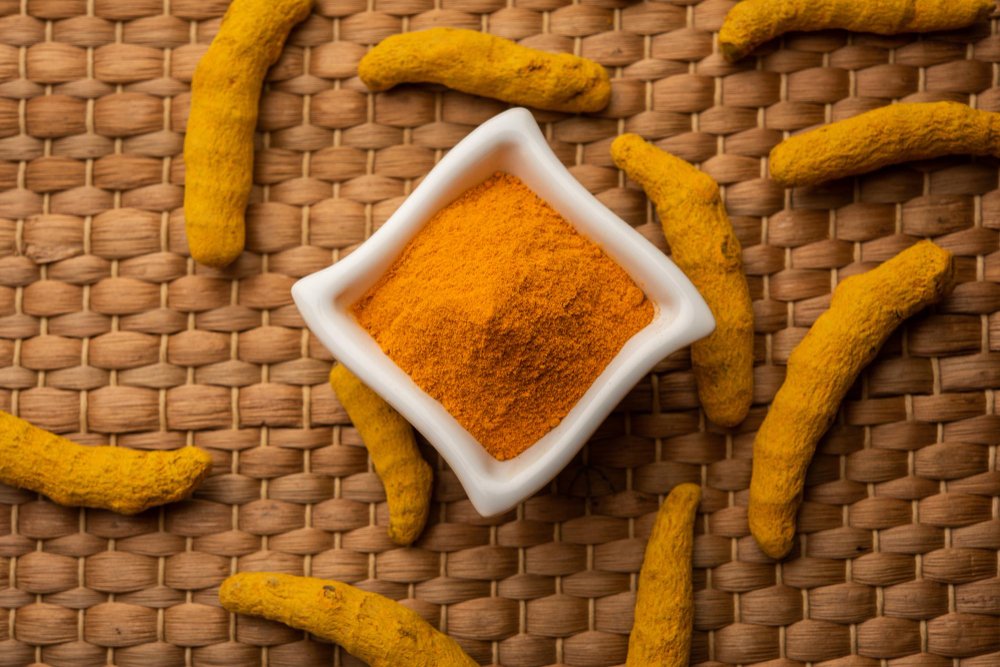
Blended Export Grade
Multi-variety blends to hit buyer's minimum curcumin specification — typically 3% or 3.5% minimum for food export, 95% standardised extract for pharmaceutical. Requires post-mill ribbon blending with analytical verification.
Turmeric is unique among spices in requiring primary processing (curing, drying, polishing) before secondary processing (grinding). The quality outcome — curcumin yield, colour and moisture — is determined across all stages together, not at any single point.
Curcumin Content
Spice grade: 2–3.5%; export: 3.5%+; pharma extract: 95%
Measured by spectrophotometry or HPLC. The primary commercial value metric for export and industrial turmeric powder. Varies significantly by variety, growing region and curing quality. Cannot be improved by grinding — it can only be preserved or depleted. Temperature management at the drying and milling stages both affect final curcumin yield.
Colour Value (CU)
Spice grade: 20–30 CU; export: 30–50 CU
Turmeric colour value (CU) measures the optical density of a diluted powder extract at 425 nm — a proxy for curcuminoid concentration. It correlates directly with curcumin content but is faster to test in a production environment. Export buyers specify a minimum colour unit value alongside curcumin percentage. Curing temperature and duration, drying method and storage all affect colour value before the powder even reaches the grinder.
Moisture Content)
Specification: ≤10% for export powder
Turmeric powder above 10% moisture cakes in storage, shortens shelf life and provides conditions for mould growth. Achieving ≤10% requires uniform drying of the whole fingers before milling — uneven drying that leaves moisture variation across a batch produces patches of mould-susceptible high-moisture powder even when the batch average meets specification. Post-mill moisture measurement before packing is the correct final verification.
Fineness (Mesh)
Standard: 60 mesh; fine: 80–100 mesh
Fineness specification for turmeric depends on the application — 60 mesh for domestic spice use and blending, 80–100 mesh for export and processed food applications. The MACM's air classifier delivers tight D90 control without screen-change downtime, making it the preferred final mill for export-grade turmeric lines where particle size consistency across the full production run is required.
Microbial Count
EU/US: Salmonella absent; TPC <10⁵ CFU/g
Field-harvested and soil-processed turmeric rhizomes carry high microbial loads. Export markets apply the same Salmonella absence and TPC limits to turmeric as to other spices. Full HTST steam sterilization at 102–122°C is appropriate for turmeric — unlike green herbs, turmeric's yellow colour is stable at these temperatures and curcumin does not degrade at HTST treatment conditions. MillNest deploys TEMA Process B.V. natural steam sterilization with documented batch treatment records for export compliance.
Heavy Metal Compliance
Lead: <2 ppm (EU); Cadmium: <0.2 ppm
Lead contamination in turmeric powder is a documented global food safety issue — arising primarily from the traditional practice of adding lead chromate (a yellow powder) to improve the appearance of dried turmeric fingers before sale. Export buyers test for lead on every shipment. Using food-grade mechanical polishing rather than chemical polishing, and sourcing from verified farms that do not use lead chromate treatment, are the baseline requirements for export-compliant turmeric supply.
Why curing determines the curcumin content ceiling
WASH
Drum Washer / Rotary Cleaner
Soil and stone removal from fresh rhizomes before curing — reduces contamination entering the cooking vessel
FBD
Mechanical / Fluid Bed Dryer
Uniform mechanical drying post-curing — maintains consistent moisture across the batch, prevents high-moisture patches
HTST natural steam for export microbial compliance
HTST
Natural Steam Sterilizer
102–122°C, 20–40 seconds — full log 6 microbial reduction, curcumin and colour stable at treatment temperature
FBD
Fluid Bed Dryer (post-sterilization)
Moisture removal after steam treatment — returns fingers to target moisture before the grinding section
Kibbling followed by ACM fine milling with in-process air cooling
MUNI
Universal Mill (Stage 1 — Kibbling)
Whole turmeric fingers to 2–3mm kibble — consistent pre-size for ACM feed, divert point for oleoresin extraction
MACM
Air Classifying Mill (Stage 2 — Fine Powder)
Kibble to 60–100 mesh fine powder — D90 control, continuous classification, in-process air cooling
PNEU
Pneumatic Inter-Stage Transfer
Kibble transfer from universal mill to ACM — heat dissipation between stages, enclosed handling
Curcumin specification blending with oleoresin spray option
Post-ACM sifting verifies that the powder meets the target mesh specification before proceeding to blending. For export lines producing a guaranteed minimum curcumin specification, ribbon blending with load cell weighing combines batches from different crop sources or processing runs to achieve a consistent curcumin content across the final product. Where the incoming raw material batch tests below the target curcumin level, optional oleoresin spray addition at the blending stage can bring the curcumin content up to specification — a standard practice in the export turmeric industry that must be declared on the product COA. Metal detection before the packing station catches any metallic contamination from equipment wear throughout the processing sequence.
SIFT
Rotary Sifter
Mesh verification post-ACM — oversize returned, on-spec powder to blending
MRBL
Ribbon Blender
Curcumin specification blending — load cell weighing, oleoresin spray system option for colour fortification
Premium Turmeric Processing for Exceptional Quality and Natural Goodness
Unlock the full potential of turmeric with our advanced processing solutions that preserve its vibrant color, rich aroma, and natural curcumin content. From cleaning and drying to grinding and hygienic packaging, every stage is carefully managed to ensure consistent quality and food safety. Partner with us to produce high-quality turmeric products that meet the evolving demands of domestic and global markets.