
Cumin & Seed Spice Processing PLANT
Seed spices — cumin, fennel, fenugreek, black pepper, carom, ajwain — are the most technically demanding category of spices to grind correctly. Cumin carries 3–4% volatile oil and 15% fixed oil. At standard milling temperatures, grinding raises powder temperature to 95°C — causing roughly 30% volatile oil loss and screen clogging from the melting fixed oil fraction. Every competitor treats seed spice grinding as a standard hammer mill application. MillNest treats it as a heat and oil management problem.
Temperature-controlled grinding
Screen clog prevention
Cuminaldehyde retention
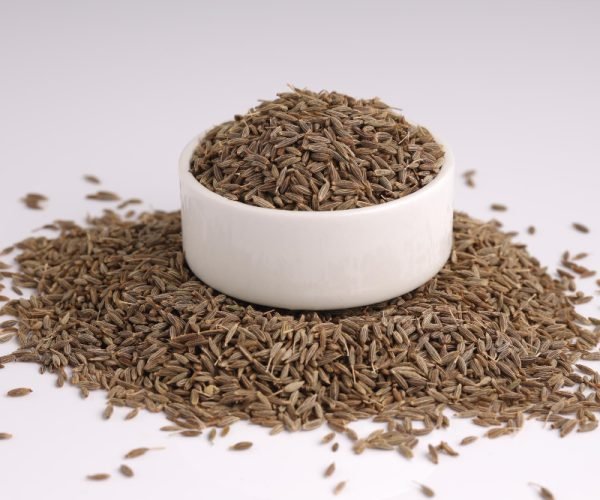
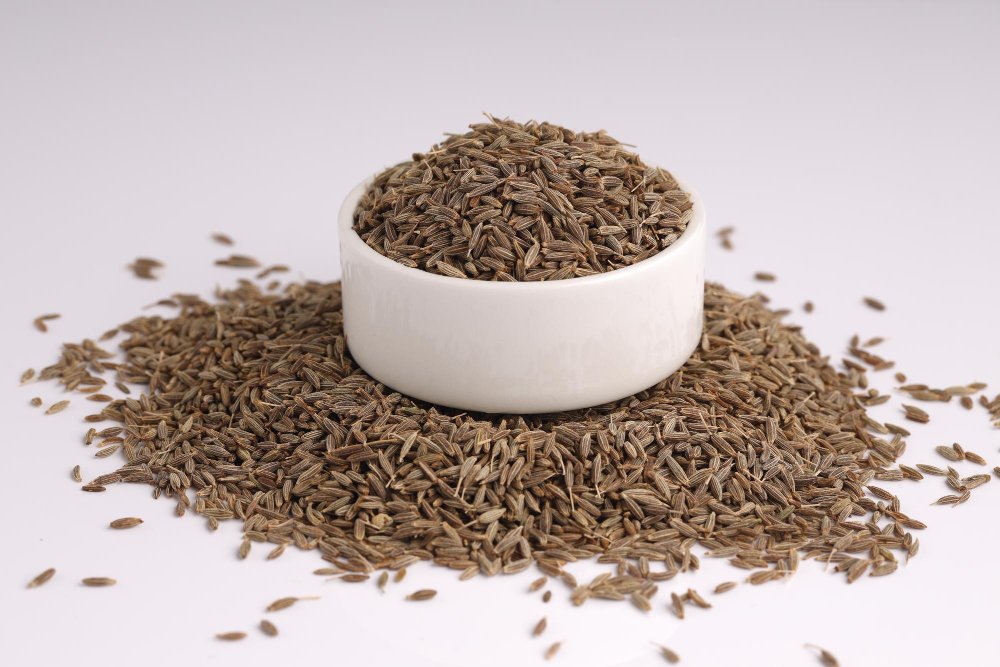
Cumin (Jeera)
3–4% volatile oil, 15% fixed oil. Highest processing difficulty. Screen clogging from fixed oil at elevated temperature. Cuminaldehyde is the primary aroma compound.
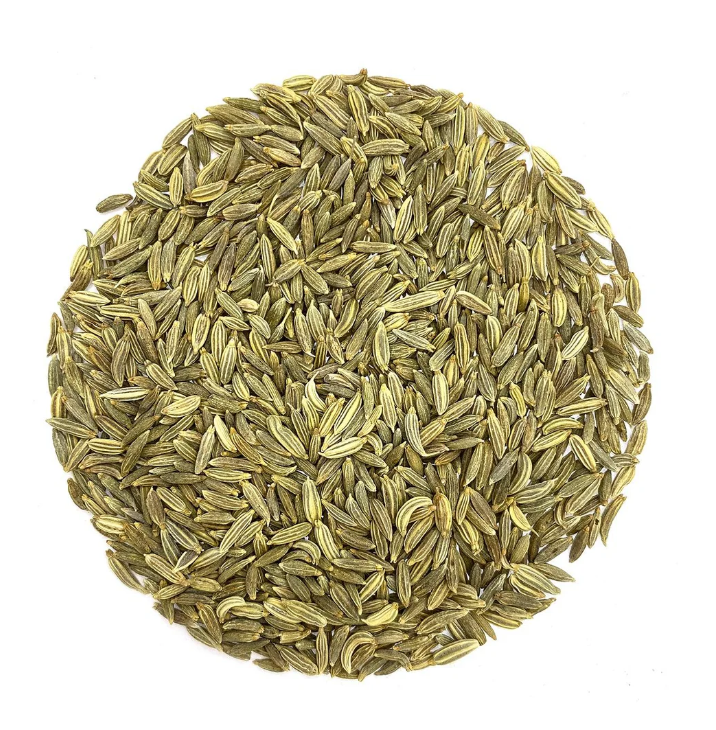
Fennel (Saunf)
2–6% volatile oil. Anethole gives the characteristic sweet anise aroma. Lighter seed than cumin. Less fixed oil but still volatile-oil sensitive to heat.
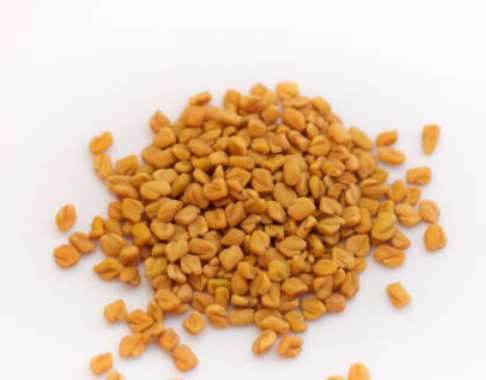
Fenugreek (Methi)
Hard angular seed. High mucilage content causes clogging at elevated moisture. Temperature rise during grinding affects antioxidant and flavonoid profile measurably.
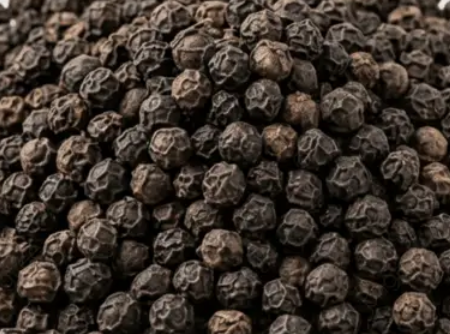
Black Pepper (Kali Mirch)
5% volatile oil. Piperine content determines pungency and is heat-stable — but volatile aroma compounds are not. Hard outer hull requires meaningful grinding energy.
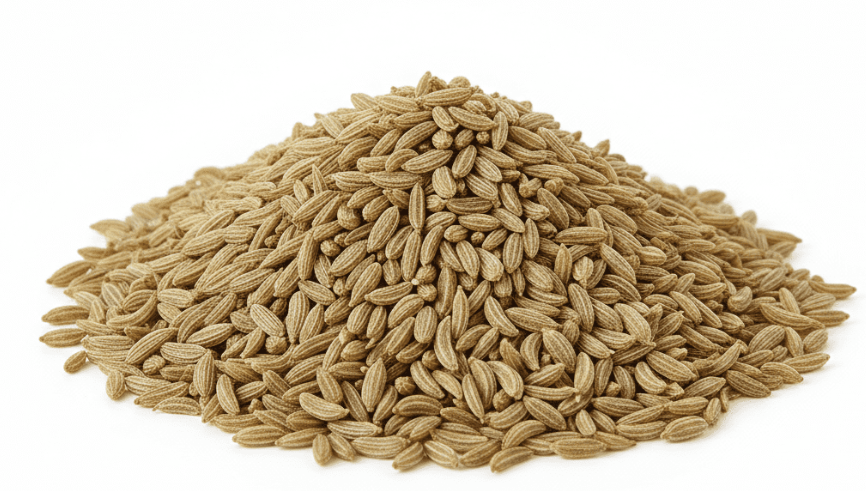
Carom / Ajwain
2–4% volatile oil, primarily thymol. Intense medicinal aroma. Very heat-sensitive — thymol begins volatilising at low processing temperatures. Small seed, abrasive hull.
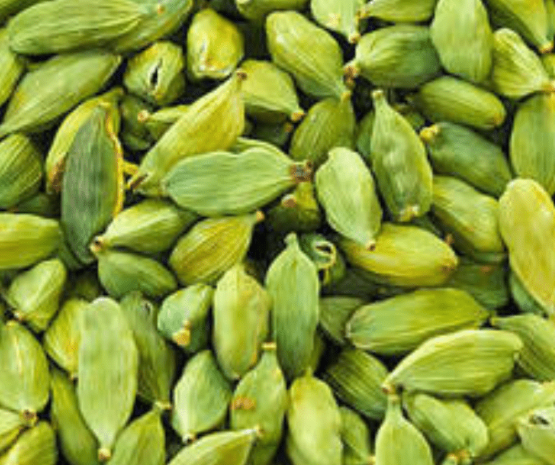
Cardamom (Elaichi)
2–8% volatile oil. Among the highest-value seed spices. Extremely sensitive to heat and moisture. Typically decorticated before grinding — only seeds, not pods.

Star Anise (Chakra Phool)
5–8% volatile oil, predominantly anethole. Brittle woody structure. Requires pre-sizing before fine milling. Higher unit value — yield loss from poor dust capture is costly.
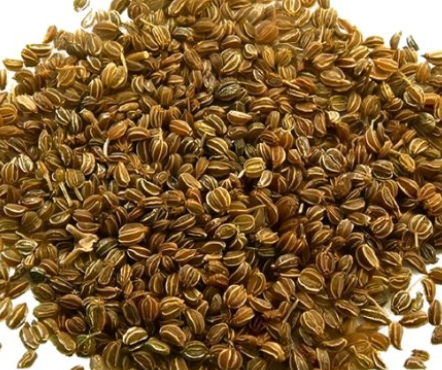
Celery Seed (Ajmoda)
2–3% volatile oil, limonene-dominant. Very small seed requiring fine screen configurations. Used in masala blends and pharmaceutical applications.
For seed spices, temperature control is not a feature — it is the process. The line is designed from the outset to manage heat at every stage where the seed is broken open and volatile oil is exposed to the air.
Seed spice powder is purchased against volatile oil content, fineness and colour — and for export markets, microbial count. The processing line determines the outcome on all of these.
Volatile Oil Content
Cumin: 2.5–3.5 ml/100g for export grade
Measured by steam distillation — the primary quality metric for export and industrial cumin powder. Standard ambient-temperature grinding can reduce volatile oil by up to 30% compared to what the raw seed contains. Temperature management through the grinding sequence directly determines how much of the seed's oil potential reaches the finished pack.
Character Aroma Compound
Cuminaldehyde: 25–40% of volatile oil fraction
Cuminaldehyde is the compound that defines cumin's distinctive warm-earthy aroma — what a buyer smells when they open a sample. It is heat-sensitive and begins volatilising at elevated milling temperatures. Powders ground at high temperature have measurably less cuminaldehyde than those ground with temperature control — which is directly perceptible to trained buyers and end consumers.
Fineness (Mesh)
Common grades: 40, 60, 80 mesh
Fineness specification for seed spice powders is set by the application — 40 mesh for household packs, 60–80 mesh for masala blend use and export. The complication for seed spices is that screen clogging from fixed oil buildup causes effective aperture to decrease during a run, making particle size finer over time — the opposite problem to most other spices where screens wear coarser.
Colour Value
Cumin: pale olive-brown; darker = over-milled
Cumin powder colour shifts from pale olive-brown to a darker brown as milling temperature increases — the browning reaction is driven by heat, similar to coriander. Buyers of premium or export-grade cumin powder specify L* values (lightness). Powder darker than specification is rejected regardless of volatile oil content or fineness.
Moisture Content
AGMARK: typically 9% max for cumin powder
Seed moisture above 10% at the time of milling increases the tendency of high-fixed-oil seeds to smear and clog screens. Below 7%, seeds are brittle and produce excessive fines. Moisture conditioning to the target range before the mill is one of the most controllable interventions for preventing screen clogging on cumin and fennel lines.
Microbial Count (Export)
EU/US: TPC typically <10⁵ CFU/g
Field-harvested cumin and fennel carry bacterial contamination from soil and open drying. Export markets require documented treatment records. Natural steam pasteurization at sub-100°C temperatures is preferred for cumin over full sterilization — lower treatment temperature means lower volatile oil loss during decontamination, better balancing food safety compliance with aroma quality.
Stone removal, aspiration and moisture conditioning
BELT
Belt Conveyor & Bucket Elevator
Intake elevation and controlled feed to cleaning and milling stages
ASPIR
Aspirator
Lightweight foreign material and dust removal — ensures uniform, clean seed feed to the mill
Heat-managed size reduction to protect volatile oil and prevent screen clogging
MHAM
Hammer Mill (×2 stages)
Speed-controlled two-stage milling — coolant jacket option for premium volatile oil retention grades
MUNI
Universal Mill
Multi-mode option for cardamom, star anise and delicate high-oil seed spices where impact mode is too aggressive
PNEU
Pneumatic Inter-Stage Transfer
Active cooling between milling passes — prevents cumulative temperature build-up in the grinding sequence
Low-temperature pasteurization to balance food safety with aroma retention
PAST
Natural Steam Pasteurizer
Sub-100°C treatment — export microbial compliance with lower volatile oil impact than full sterilization
FBD
Fluid Bed Dryer
Post-pasteurization moisture conditioning before milling — maintains target moisture for clean grinding
Specification control and crop-year blending for consistent aroma grade
Post-milling sifting for seed spices needs to account for the screen clogging behaviour of high-fixed-oil materials — the sifter mesh must be cleaned at regular intervals to prevent mesh adhesion from oil-laden powder reducing effective aperture during a long run. For export contracts specifying volatile oil content within a range, ribbon blending of different crop-year batches or source-region material allows the finished powder specification to be hit consistently despite natural raw material variation. Nitrogen flushing of sealed packs before closure significantly extends the shelf life of volatile oil-rich seed spice powders by preventing oxidative degradation of sensitive aroma compounds during storage and transport.
SIFT
Rotary Sifter
Particle size separation with regular mesh cleaning programme to prevent fixed oil adhesion narrowing aperture
MRBL
Ribbon Blender
Crop-year blending to volatile oil specification — load cell weighing, sealed discharge to packing
Tell us the seed spice, target fineness and product specification.
We'll design the line.
Share your seed spice, target particle size, production capacity, and whether you’re producing whole cleaned spices, coarse grinds, or fine powders. MillNest will design the right processing line and validate the solution through material trials before any capital investment.