
Besan & Pulse Processing
Besan and split dal production start from the same raw material but require completely different process lines. Besan production is a flour milling problem — fineness, colour and oil-induced screen clogging are the central challenges. Dal splitting is a head yield problem — conditioning uniformity, clean dehusking and minimum breakage determine commercial value. Most equipment suppliers treat both as one application. MillNest designs the line around which product is being made.
Oil-induced screen clog prevention
Colour-protective milling
Both besan and dal from one facility
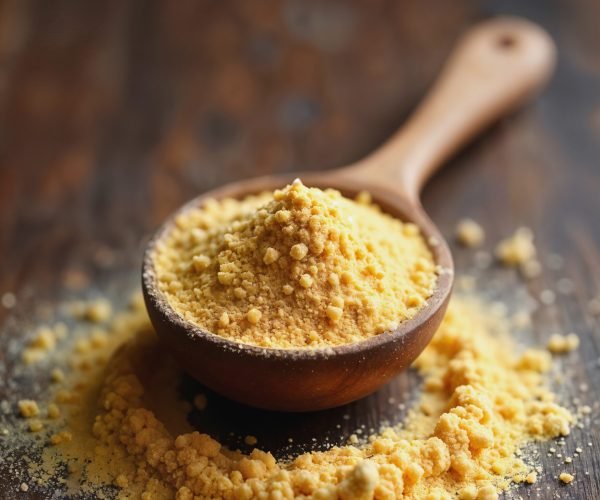
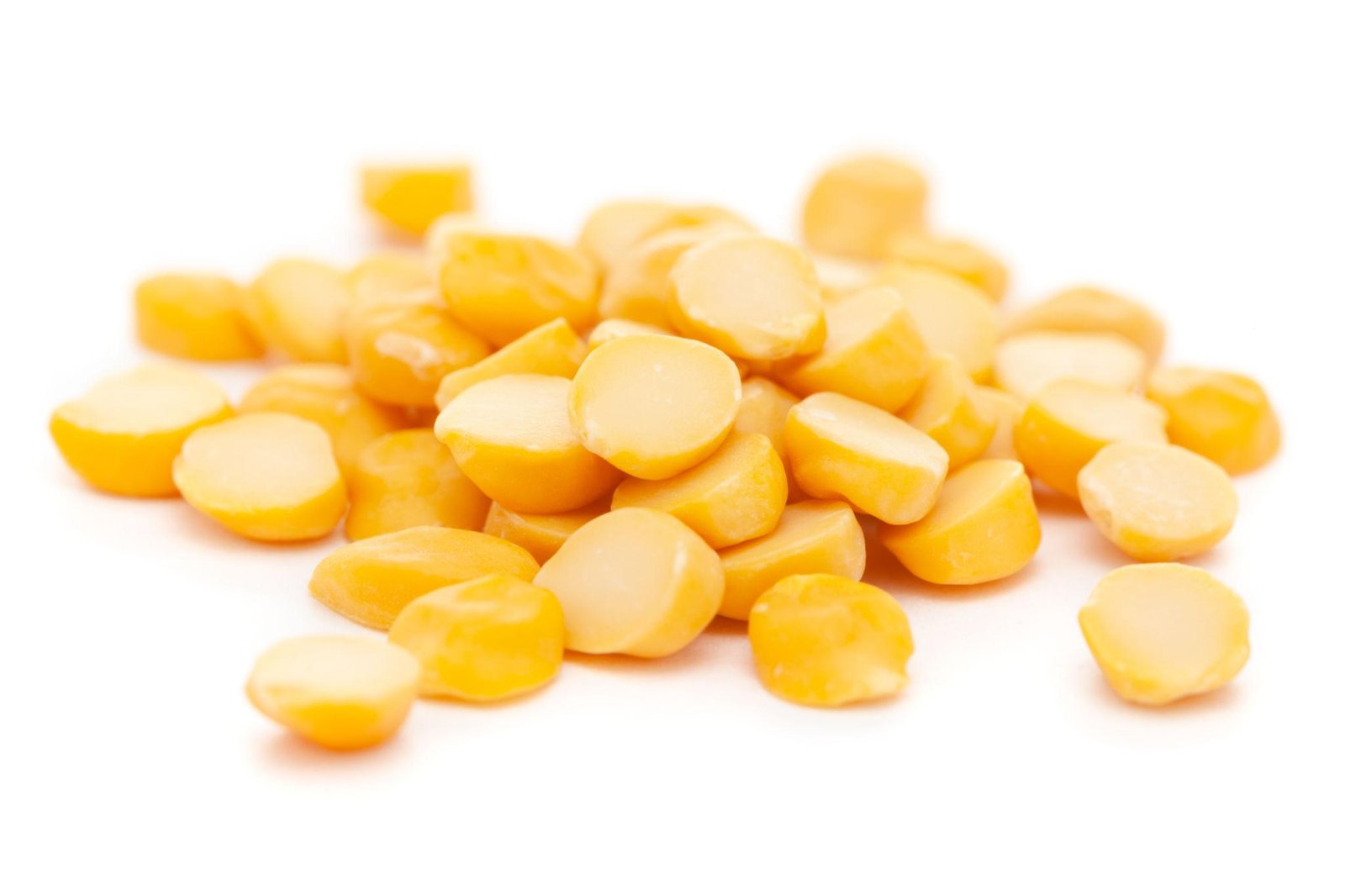
Chana Dal (Bengal Gram)
Primary besan raw material. Significant oil content causes screen clogging at elevated milling temperature. Moisture conditioning to 12–14% critical for clean fracture.
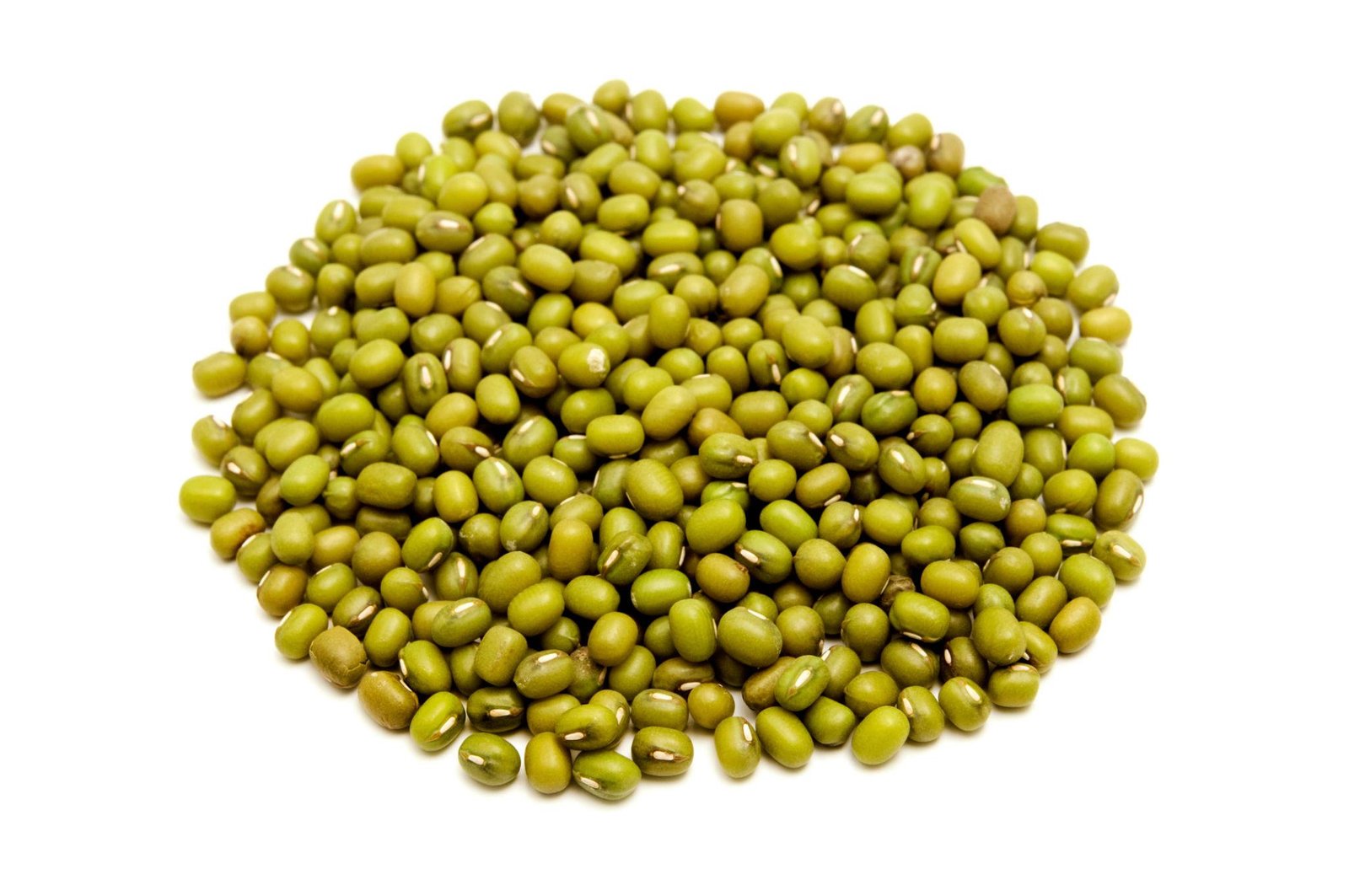
Moong Dal (Green Gram)
Softer cotyledon — more fragile under impact. Higher breakage risk. Requires careful conditioning and gentler milling to achieve high head yield.
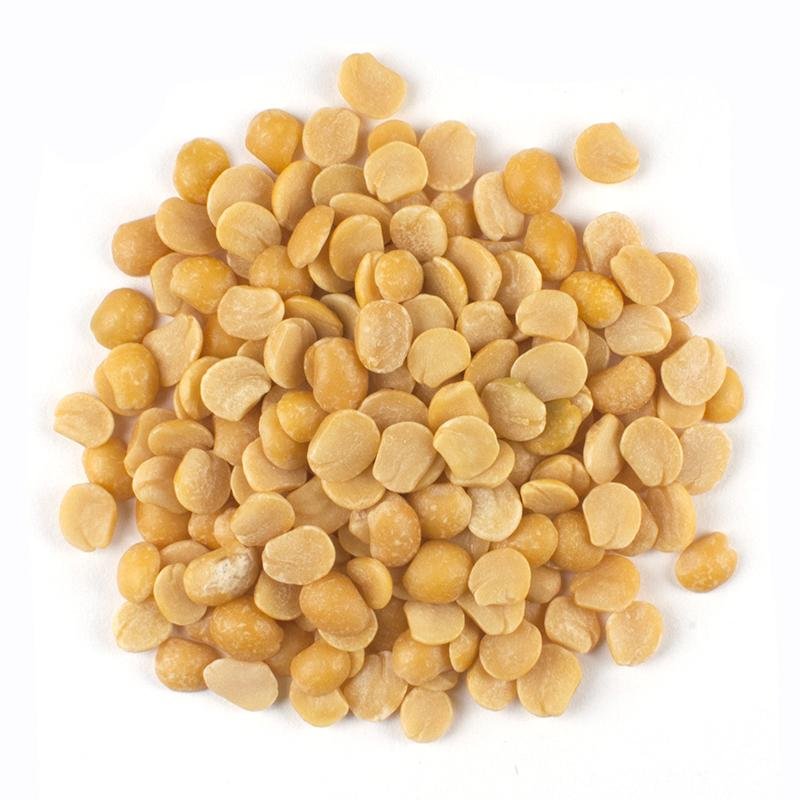
Toor Dal (Pigeon Pea)
India's most consumed dal. Harder husk — requires more aggressive oil pre-treatment. Head yield highly sensitive to conditioning uniformity.
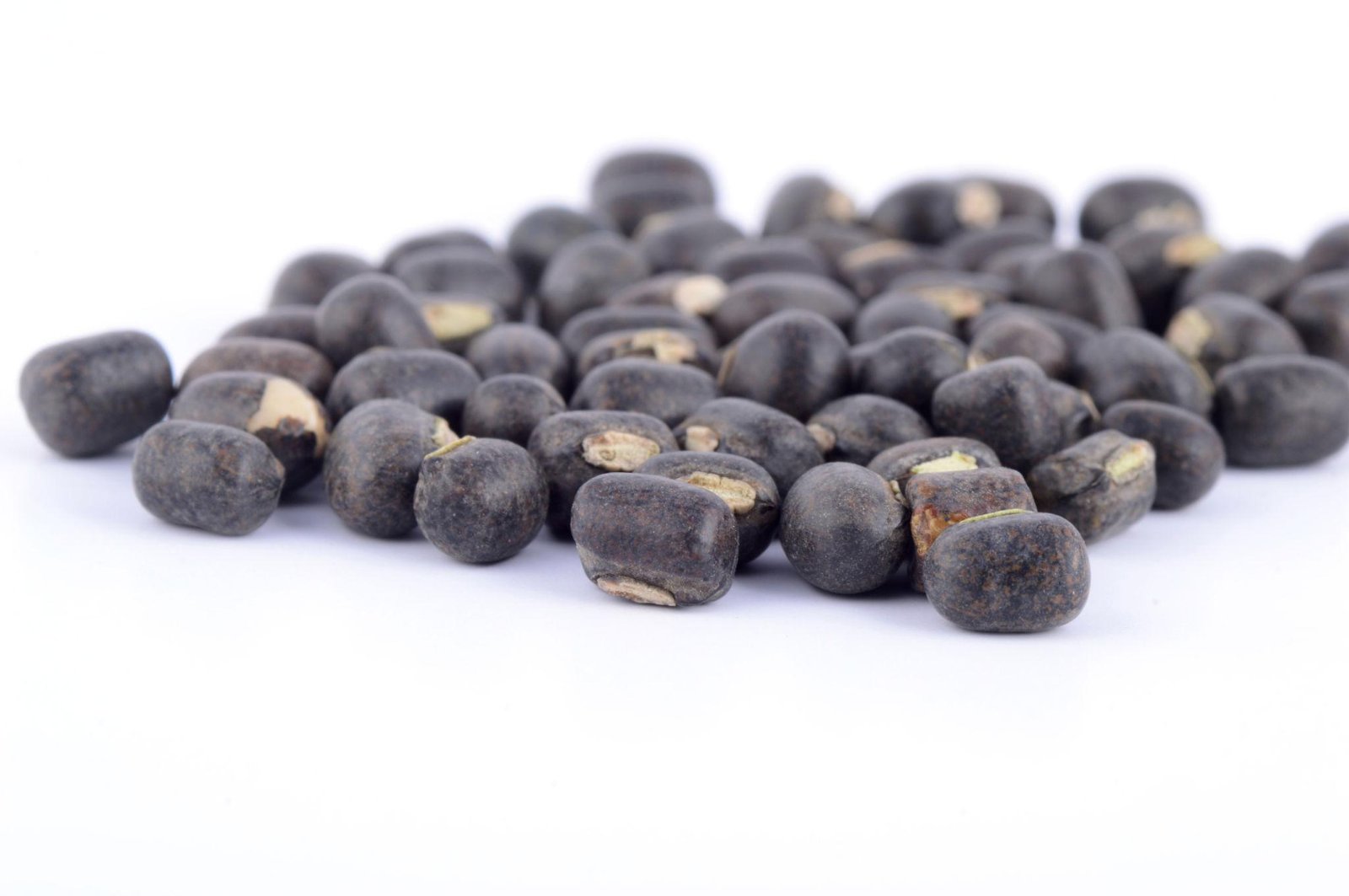
Urad Dal (Black Gram)
Small, dark-husked kernel. Thin fragile cotyledon. Highest breakage risk. Cutter mill preferred over impact milling for clean cotyledon split.
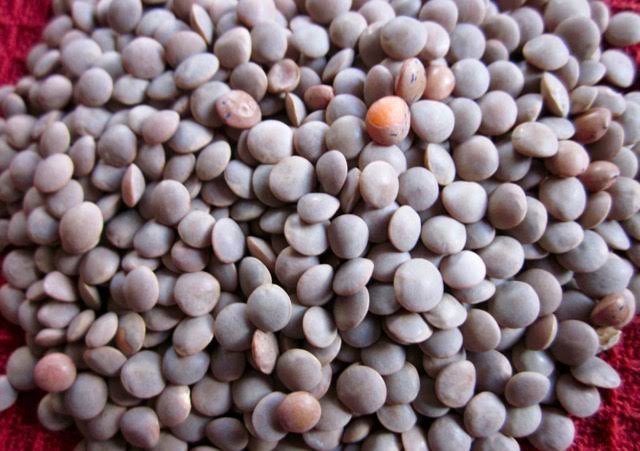
Masoor Dal (Red Lentil)
Thin disc-shaped kernel — easy to split but breaks into quarters readily. Minimal conditioning required. Colour sorting affects premium grade value.
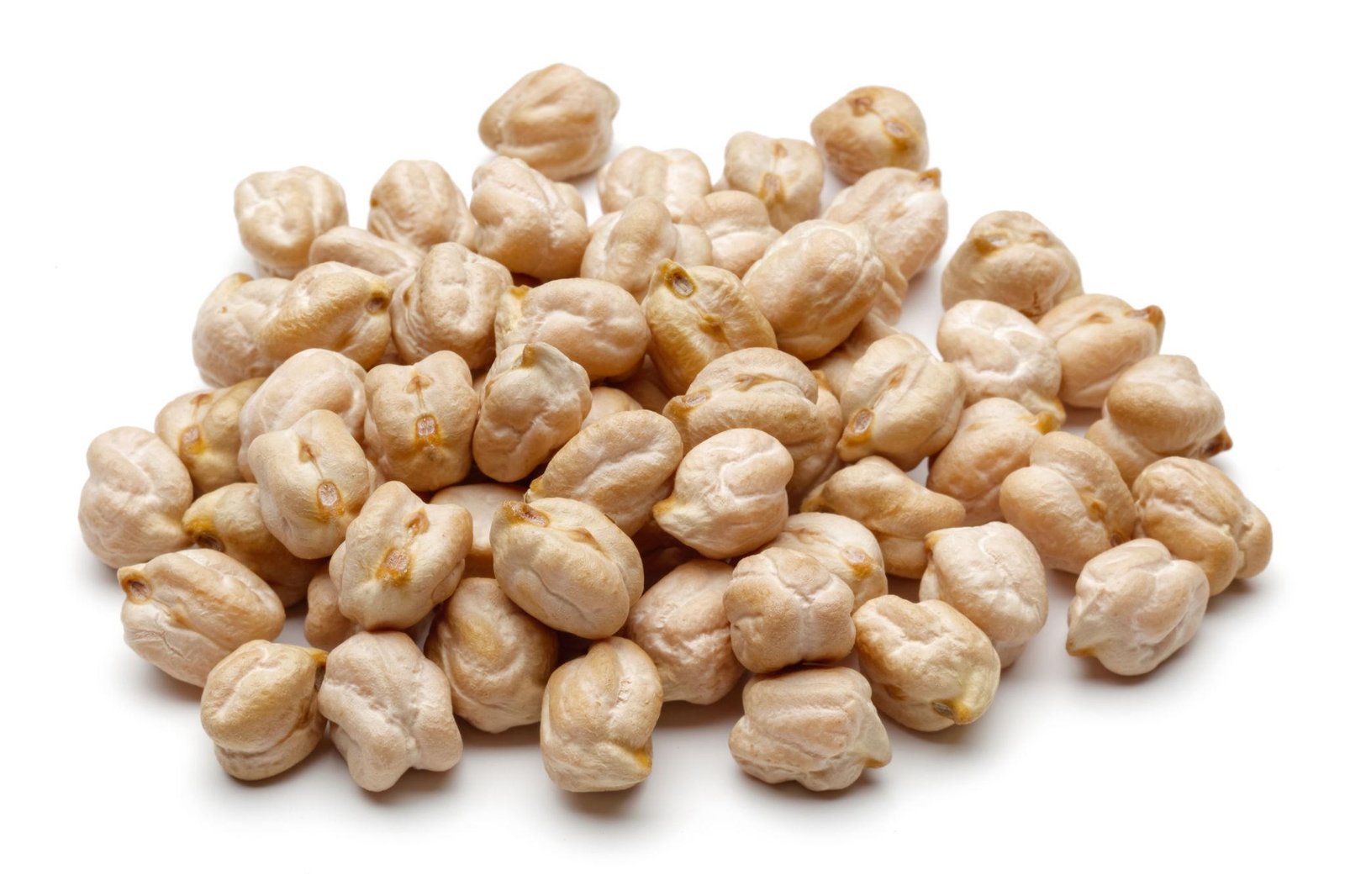
Kabuli Chana (Garbanzo)
Larger, lighter-coloured. Used for export gluten-free flour market. Higher water absorption distinguishes it from Indian besan applications.
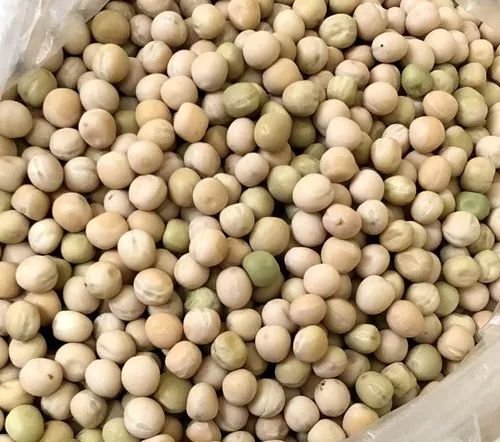
Matar Dal (Yellow Pea)
Growing export application for plant protein ingredient. Less oil than chana. Screen clogging less severe but fine milling with tight moisture control required.
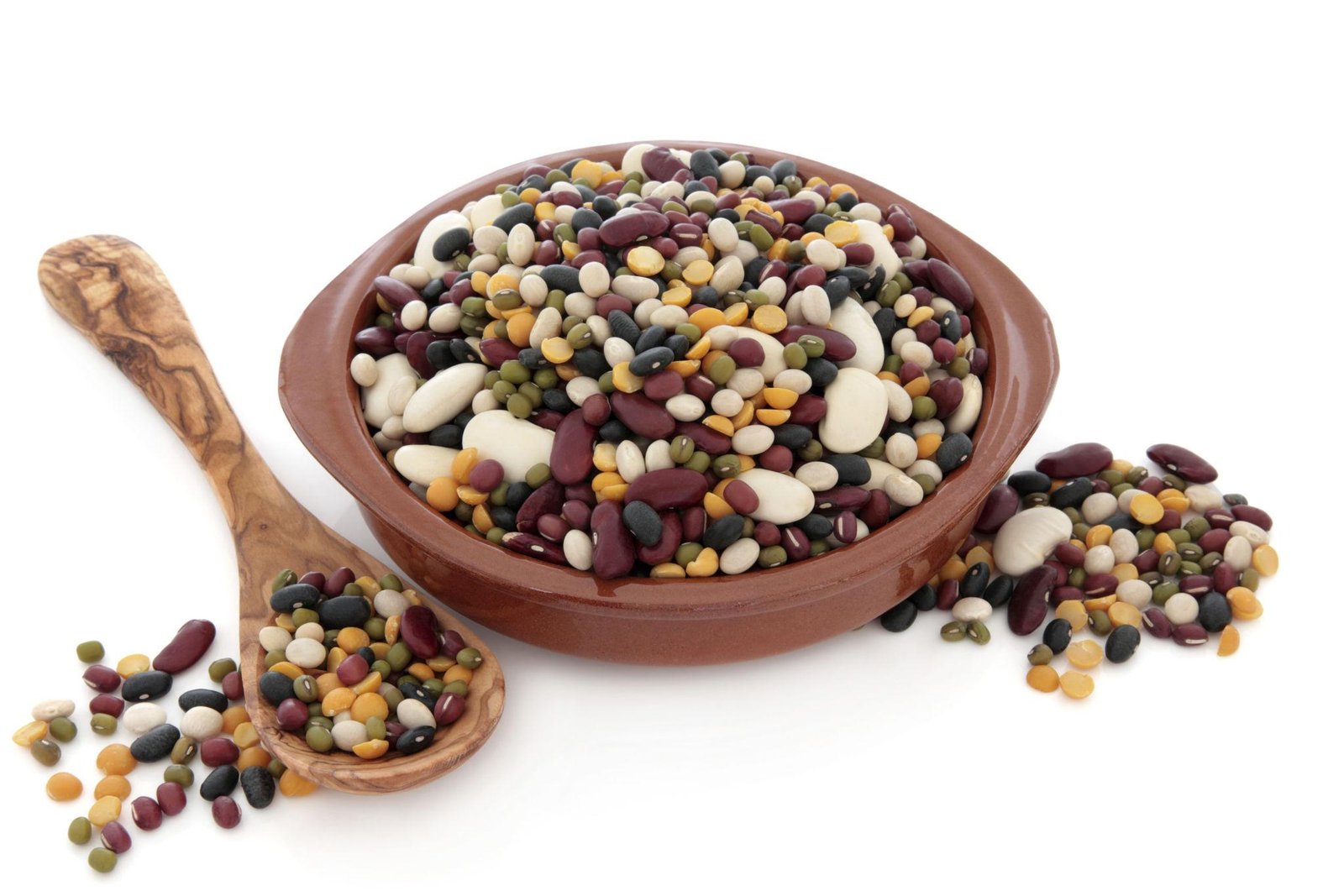
Mixed Pulse / Sattu
Pre-roasted chana ground to sattu. Roasting changes grinding character significantly — requires post-roast trial before mill configuration is finalised.
Besan quality is determined before the grain reaches the mill. Conditioning, moisture management and cleaning quality upstream all set the ceiling for what the grinding section can achieve.
Besan and dal are traded against documented quality — fineness, colour, moisture, protein and husk content. The processing line determines all of these.
Fineness (Mesh)
Standard: 60–80 mesh; fine: 100–120 mesh
Fineness depends on end application — 60–80 mesh for household and foodservice, 100–120 mesh for premium and export. Screen wear causes progressive coarsening. Oil-induced clogging makes effective aperture unpredictably finer. Both require monitoring and scheduled intervention.
Colour — Golden Yellow
Characteristic: bright golden yellow; browning = quality loss
Carotenoids in the cotyledon degrade under heat — same mechanism as chilli ASTA colour loss. Screen clogging generates more friction heat. Moisture above 14% causes smearing-related heat. Inadequate dehusking leaves grey-brown husk fragments. Each cause requires a different fix.
Moisture Content
AGMARK: ≤12% finished besan; 12–14% input for milling
Input at 12–14% is the correct range for clean fracture. Above 14% — cotyledon smears, screen clogs, generates heat. Below 12% — excessive fines, poor particle size distribution. Conditioning to the correct range is the most controllable pre-milling intervention.
Protein Content
Besan: ~20–22g protein per 100g
Protein is set by raw material but effective husk removal before milling improves the protein-to-flour ratio by reducing low-protein husk. Buyers of health food besan specify minimum protein on the COA. Thorough dehusking is the processing lever.
Husk Content
AGMARK Grade 1: ≤0.5% crude fibre from husk
Once husk is milled with cotyledon, particle sizes are too similar for sifting to separate. Pre-milling dehusking and post-dehusking aspiration are the only way to reduce husk content in the finished flour. Husk removal must be achieved before the grinding stage, not after.
Head Yield (Dal Splitting)
Target: 65–75% whole split halves from whole pulse input
Head yield — percentage of whole cotyledon halves — is the commercial metric for dal splitting. Each percent of breakage is yield downgraded from retail dal to brokens. Head yield is primarily determined by conditioning uniformity and splitting action, not by mill throughput speed.
Uniform oil and water application — the step that determines downstream quality
ASPIR
Aspirator & Destoner
Stones, dust and lightweight foreign material removed before conditioning — protects mill screens and improves flour quality
MPBL
Paddle / Plough Blender
Uniform oil and water conditioning — replaces gunny bag tumbling, consistent application across entire batch
Clean cotyledon separation with minimum breakage
MCUT
Cutter Mill
Clean cotyledon splitting for urad, moong and chana — scissor-cut geometry reduces breakage vs impact-only dehusking
ASPIR
Post-Dehusking Aspirator
Husk and bran separation from dehusked cotyledon — grade separation before besan milling or dal packing
Temperature-managed two-stage impact milling with screen monitoring
MHAM
Hammer Mill (× 2–3 stages)
Two-stage besan milling — speed-controlled for oil-induced screen clog prevention, scheduled screen cleaning programme
MACM
Air Classifying Mill
Premium export besan and fine grades — D90 specification, no screen drift, air-cooled grinding chamber
MLUM
Delumper
Breaking caked chana dal before mill entry — consistent feed rate to the grinding section
Grade separation, fines recovery and AGMARK-compliant packing
Multi-deck sifters separate on-specification besan from bran fragments and oversize requiring further milling — allowing simultaneous production of coarse and fine grades. Cyclone separators at the mill outlet recover fine besan back into the product stream. At 100–120 mesh, besan becomes airborne readily and yield losses at open discharge points accumulate significantly at commercial scale. AGMARK certification requires documented conformance to moisture, fineness, husk content and protein specifications at the time of packing.
SIFT
Multi-Deck Sifter
Besan grade separation — coarse and fine grades simultaneously, bran and oversize returned to mill
CYCL
Cyclone Separator
Fine besan recovery at mill outlet — returns product fines to stream, prevents yield loss at fine mesh grades
BAG
Bag Filter
Residual besan dust capture at transfer and packing points — pulse-jet auto-cleaning, continuous operation
Tell us your pulse, target fineness and flour specification.
We'll design the line.
Share the raw material, target mesh size, production capacity, and whether you need roasting, dehusking, or air classification. MillNest will design the right besan processing line and validate the process through material trials before any capital investment.