
Flour & Grain Processing PLANT
Grain milling is often treated as a commodity application — pick a hammer mill, set a screen, run the grain. In reality, starch damage during milling is a quality parameter that must be controlled, not just minimised. Atta for chapati performs best at 14–18% starch damage. Biscuit flour performs best at 8–10%. The same grain, run on the same mill at different settings, produces two functionally different products. MillNest configures grain milling lines for the specific flour application being produced — not for the grain alone.
Starch damage controlled to spec
Application-specific particle size
FSSAI-compliant fortified flour lines
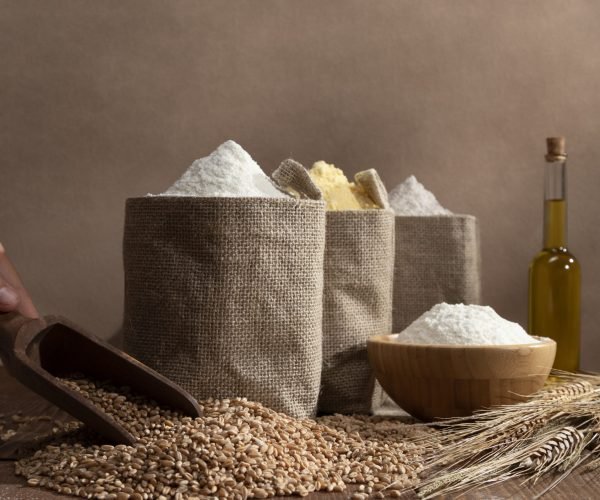
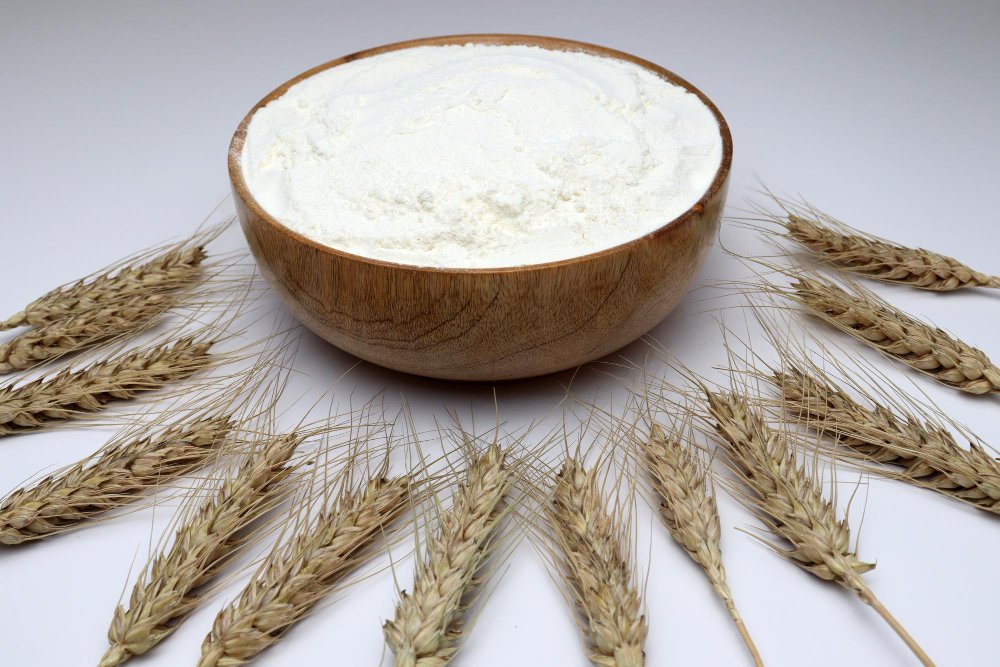
Wheat (Atta / Maida)
India's primary flour grain. Starch damage level determines chapati, bread or biscuit suitability. Hard and soft wheat varieties mill differently and produce different flour functional properties.
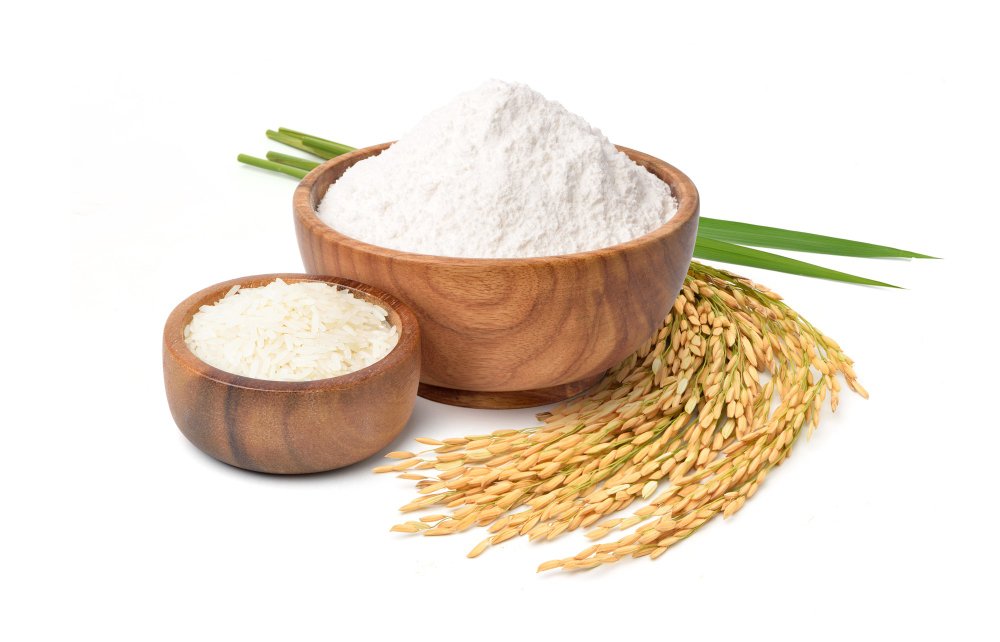
Rice Flour
Brittle grain that generates significant fines if over-milled. Fine rice flour requires precise screen configuration. Starch damage sensitivity differs from wheat — rice does not benefit from elevated starch damage levels.
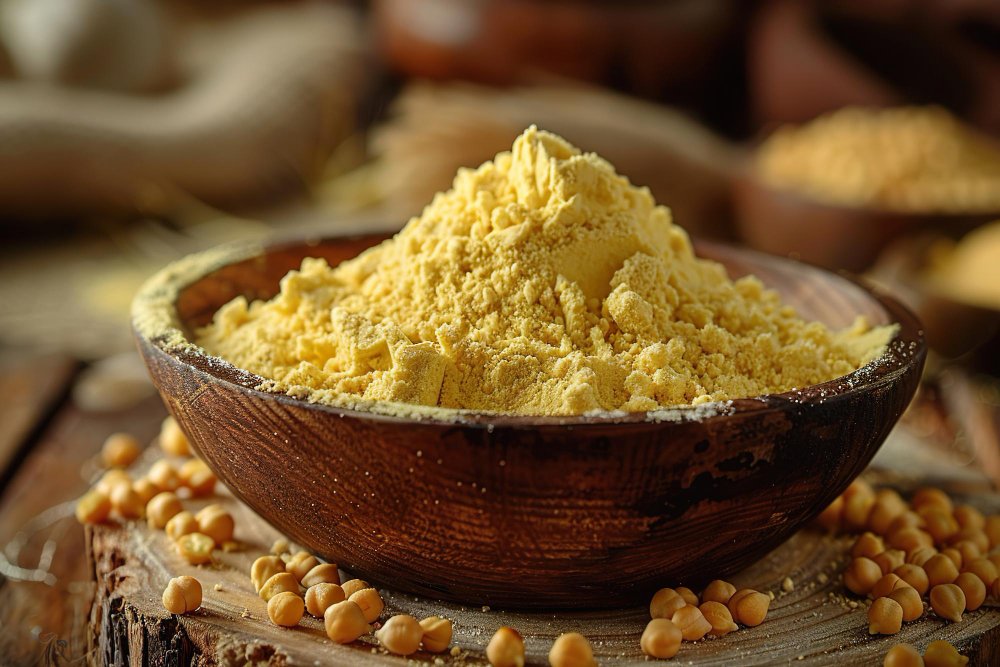
Chickpea (Besan)
Produces besan (gram flour) after dehusking and milling. High protein and oil content. Oil content causes screen clogging at elevated milling temperatures — similar to seed spices.
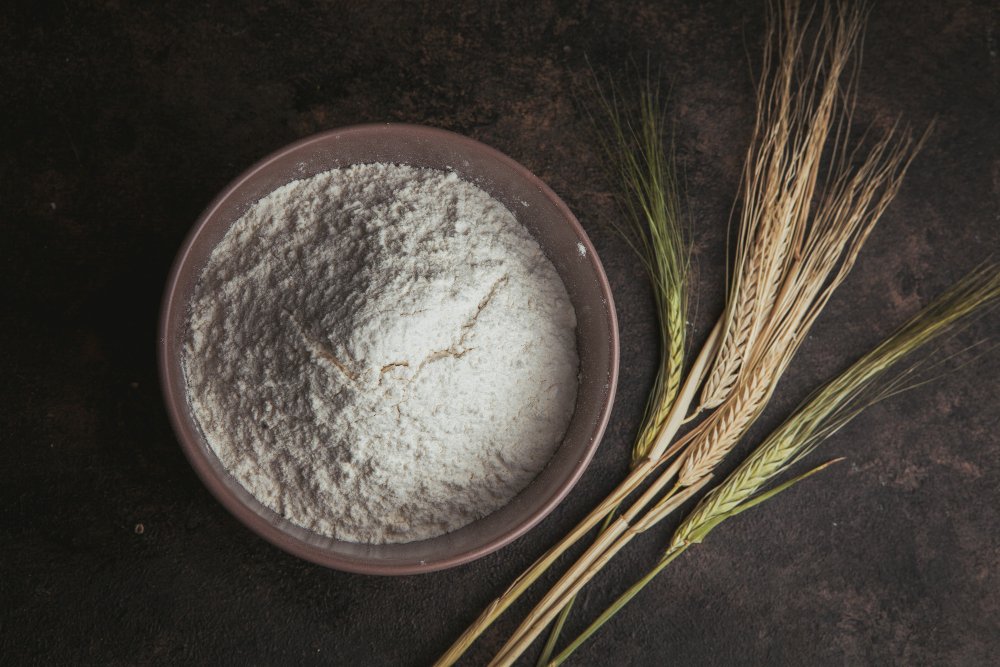
Sorghum (Jowar)
Hard, round grain. High-throughput milling for jowar flour used in bhakri and gluten-free products. Tannin content in red sorghum varieties affects flour colour — white varieties preferred for premium flour.
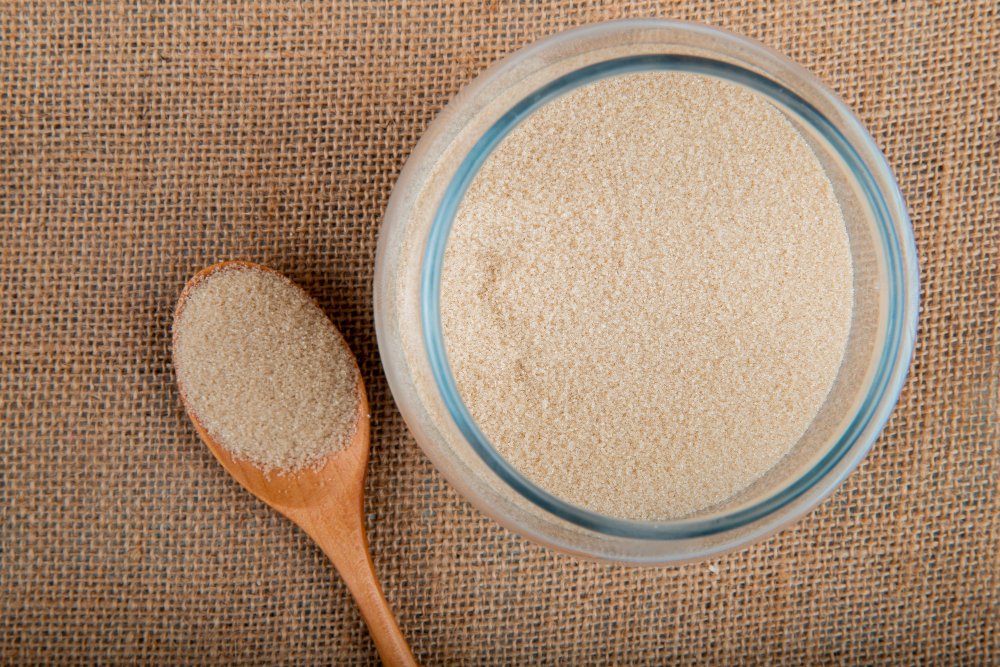
Pearl Millet (Bajra)
High fat content — rancidity on storage is the primary quality challenge. Milled bajra flour must be packed and consumed promptly, or the lipase enzyme inactivated before milling to extend shelf life.
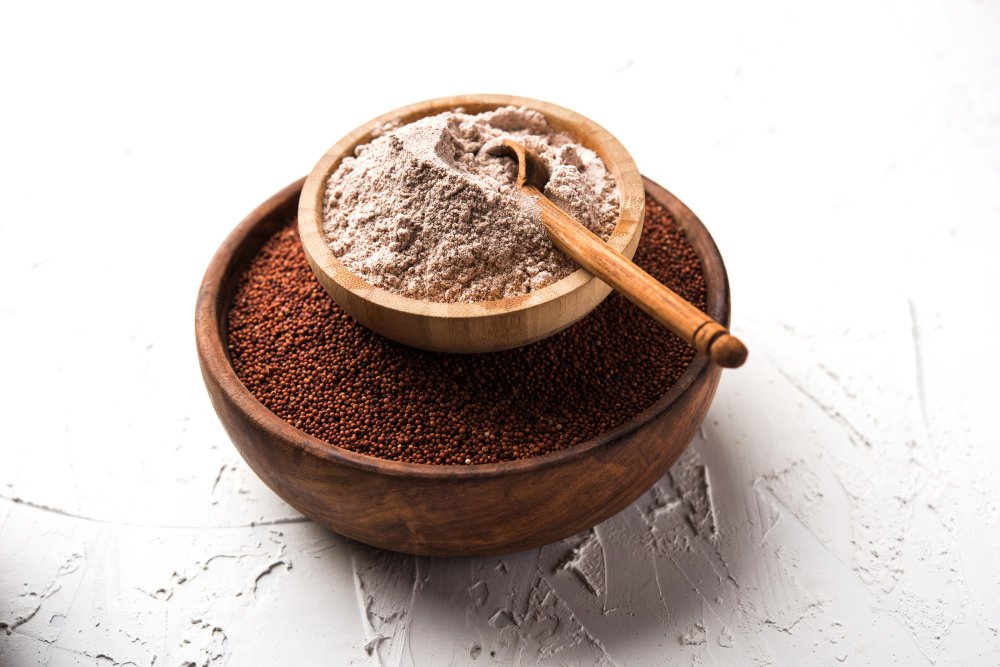
Finger Millet (Ragi)
Small, hard grain — hardest of the millets. Requires high impact energy relative to its size. Fine ragi flour for health food applications needs ACM for tight D90 control. Calcium-rich — demand growing rapidly.
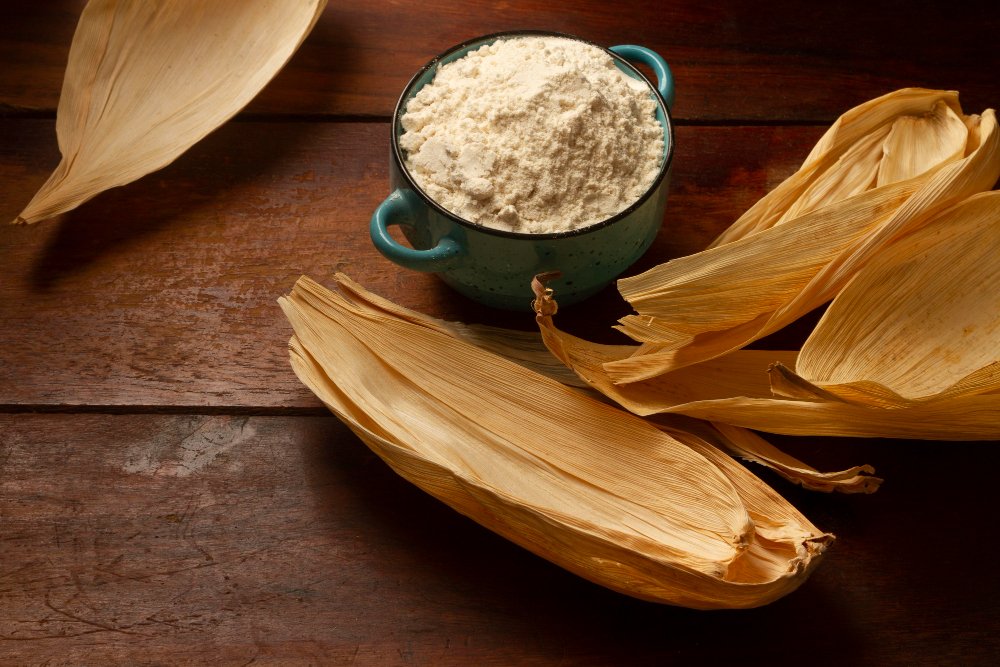
Maize (Makka)
Produces corn flour, maize starch and grit depending on the milling process. Hard endosperm requires significant grinding energy. Used in snack manufacturing, namkeen and as a wheat flour extender.
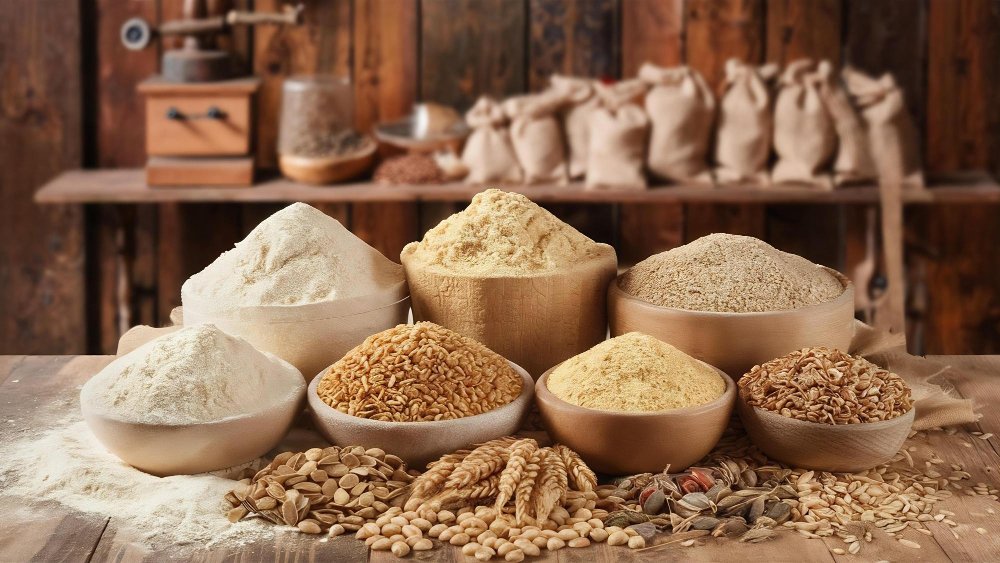
Multigrain Blends
Multi-grain atta blends each of the component flours milled separately, then combined with recipe-accurate blending and micro-dosing of vitamin-mineral fortification for FSSAI compliance.
Grain processing is a sequence of controlled reduction steps — each stage preparing the grain for the next. The design of each stage determines both throughput and the flour quality attributes (particle size, starch damage, moisture) that define end-application suitability.
Starch Damage
Atta: 14–18%; refined flour: 8–10%
The most important functional quality parameter in wheat flour — and the least discussed by flour mill equipment suppliers. Starch damage level determines water absorption, dough handling behaviour and baked product texture. Disc/chakki mills naturally produce higher starch damage (15–17%) than hammer mills (9–10%) on the same wheat. The target depends on the end application, not on milling efficiency.
Particle Size (Mesh)
Atta: 80–100 mesh; fine flour: 120+ mesh
Particle size and starch damage are related — finer grinding produces higher starch damage. This means particle size cannot be reduced independently without affecting functional properties. For atta, the target particle size range and starch damage level need to be specified together, not separately. Screen wear in impact mills causes particle size to coarsen progressively, which reduces starch damage — both shifting away from the target for chapati use.
Moisture Content
Typically 13–14% max for packaged flour
Flour moisture above 14% reduces shelf life and increases microbial risk. Below 11%, flour becomes too dry for normal dough development. Grain moisture conditioning before milling directly affects starch damage level — wetter grain produces less starch damage for the same mill settings. Moisture conditioning is therefore both a quality parameter and a processing parameter, and both effects need to be considered in setting the pre-milling moisture target.
Colour (Whiteness / L* value)
Higher L* = whiter flour; varies by grain and extraction
Flour colour is partly determined by the raw grain (wheat variety, bran colour) and partly by milling — specifically how much bran contamination is present in the finished flour. For whole wheat atta, some bran is intentional and expected. For refined flour products, bran specks are a quality defect. Sifting efficiency and the number of milling passes both affect the bran content and therefore the colour of the finished flour.
Fortification (FSSAI)
Fe: 14–28 ppm; Folic acid: 75–125 µg/100g; B12: 0.75–1.25 µg/100g
FSSAI mandates fortification of wheat flour and rice with iron, folic acid and vitamin B12 under the Food Safety Standards Act. Commercial flour producers supplying to food manufacturers, institutional buyers and the public distribution system must meet these specifications with documented batch records. Micro-dosing stations with gram-level resolution and electronic batch records are the correct implementation — manual addition to a bulk batch cannot achieve the accuracy or documentation standard that compliance requires.
Protein Content & Gluten Quality
Wheat flour: typically 9–13% protein
Protein content is a raw material property that milling cannot change — but it can be managed through wheat variety selection and, for multigrain blends, ingredient proportions. For industrial flour buyers — bakers, pasta manufacturers, biscuit companies — protein content and gluten strength are the primary purchasing specifications alongside particle size and starch damage. The line design for a branded atta serving home use looks different from the line for an industrial flour buyer with tight gluten specification requirements.
Stone removal, magnetic separation and moisture preparation
BELT
Belt Conveyor & Bucket Elevator
Grain intake and controlled elevation to cleaning and conditioning section
ASPIR
Aspirator & Destoner
Removal of dust, chaff and stones before grain reaches the grinding section
Application-specific grain reduction with starch damage control
MHAM
Hammer Mill
Multi-pass grain milling — interchangeable screens, speed-controlled for starch damage targeting per flour grade
MACM
Air Classifying Mill
Fine and specialty flour grades — D90 particle control, prevents particle size drift, integrated classification
MUNI
Universal Mill
Multi-mode milling for specialty grains and R&D flour development — impact, shear or attrition modes selectable
Particle size separation and flour fines recovery
SIFT
Multi-Deck Sifter
Particle size separation — multiple flour grades from one pass, oversize bran returned to secondary mill
CYCL
Cyclone Separator
Fine flour recovery at mill outlet — returns product fines to process stream, reduces bag filter load
BAG
Bag Filter
Residual flour dust capture at transfer and packing points — pulse-jet, continuous operation
Multigrain blending and FSSAI fortification dosing with documented batch records
Multigrain atta blends require accurate proportioning of each grain flour — the ratio of wheat, ragi, bajra and soy determines both nutritional profile and dough handling characteristics. Ribbon blending with load cell-controlled addition ensures recipe accuracy across every batch. FSSAI-mandated fortification with iron, folic acid and vitamin B12 requires gram-level dosing precision and electronic batch records for compliance documentation. Standard bulk weighing systems lack the resolution to dose vitamins and minerals accurately at the specified FSSAI levels — dedicated micro-dosing stations are required for this stage. Auto-weighing and fill-seal or bulk bag packing completes the line.
SIFT
Rotary Sifter
Multigrain flour blending — load cell weighing, gentle double-helical mixing for free-flowing flour components
MICRO
Micro-Dosing Station
Iron, folic acid and vitamin B12 addition at FSSAI specified levels — ±1g resolution, electronic batch record
Grain milling problems show up in the baker’s production, not in the mill room. Wrong dough consistency, short shelf life, failed fortification audit — most trace back to process design decisions made before the line was built.
Starch damage out of specification for the application
Producing atta for chapati requires 14–18% starch damage. Most commercial hammer mills, set for maximum throughput, produce 9–10%. The baker gets flour that makes tight, dry chapatis that don't puff. Conversely, biscuit flour made on a high-intensity mill produces flat, spreading biscuits. Starch damage is the most application-relevant quality parameter in wheat flour, and it is the one most consistently uncontrolled on commercial grain milling lines in India.
Particle size drift from screen wear reduces flour fineness over a shift
Hammer mill screens for grain milling wear under the constant abrasion of hard grain kernels. The output particle size coarsens progressively across a production shift without any alarm or visible indicator. A line producing 80-mesh atta at the start of the shift may be producing 60-mesh material by the end. Without scheduled screen inspection and replacement intervals tied to the specific grain throughput, flour fineness and starch damage both drift out of specification — and neither is recoverable once the flour is packed.
Bajra rancidity from lipase activity in fresh-milled flour
Pearl millet (bajra) has a high fat content and active lipase enzyme — both conditions that cause rapid rancidity in freshly milled flour. At ambient temperature, bajra flour begins to develop rancid off-flavours within days of milling. Lipase inactivation before milling — through brief heat treatment — significantly extends shelf life. Lines producing bajra flour for commercial distribution need this step; lines producing for immediate local consumption may not. Shelf life requirement must be established before the line is designed.
Screen clogging in chickpea (besan) milling from oil content
Dehusked chickpea has a meaningful oil content — similar in mechanism to cumin and fennel. At elevated milling temperatures, the oil softens and adheres to screen mesh, progressively narrowing the effective aperture and producing a finer output than intended. Besan milling temperature management is the same problem as seed spice milling, and the same solution applies: moisture conditioning to the correct level before the mill, reduced rotor speed and scheduled screen cleaning intervals during the production run.
FSSAI fortification out of specification from manual dosing errors
Iron, folic acid and vitamin B12 are added at milligram-per-kilogram levels — the actual addition to a commercial batch is in the tens to hundreds of grams. Manual addition using a standard platform scale does not achieve the dosing accuracy required for FSSAI compliance, and produces no batch record that documents the addition was made at the correct quantity. Flour producers supplying to institutional buyers, government programmes or export markets need electronic micro-dosing and batch documentation — not manual weighing.
Multigrain blend segregation during discharge and conveying
Multigrain flour blends combine components with different bulk densities and particle sizes — ragi flour is denser than wheat flour, soy flour is finer, bajra is coarser. A blend that looks visually uniform in the ribbon blender can segregate during discharge and conveying to the packing station, producing measurable variation in nutritional content between packs from the same batch. Blender discharge method, conveying length and packing hopper design all affect post-blend segregation — and need to be addressed during line design, not corrected after commissioning.
Delivering Pure, Nutritious Flour & Premium Grain Processing Solutions
Experience excellence in grain cleaning, milling, and flour production with our advanced processing technologies. We ensure every batch retains its natural nutrition, consistent texture, and superior quality while meeting the highest food safety standards. Partner with us for reliable processing solutions that enhance product value and satisfy market demands.