
- Home /
- Industries /
- Flour, Grains & Pulses
Flour, Grains & Pulses
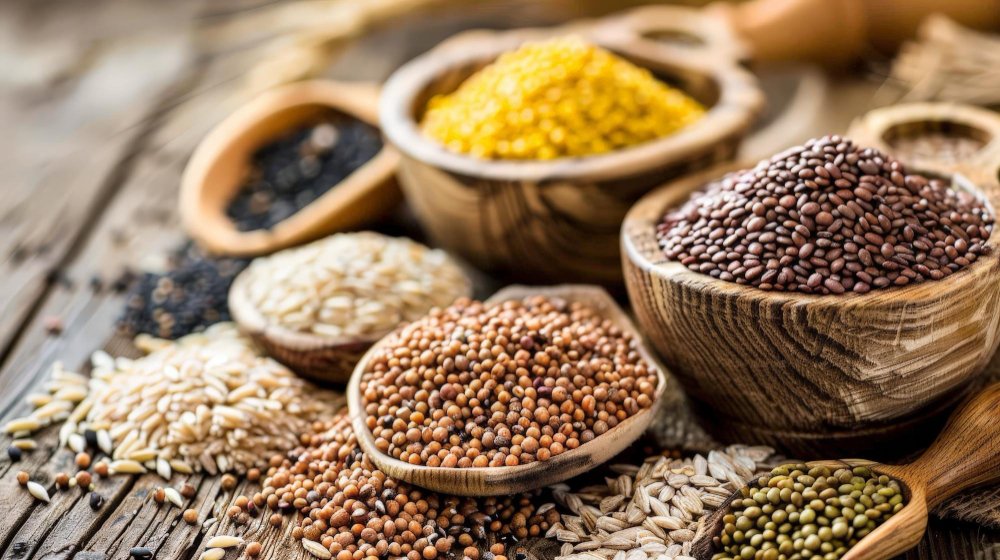
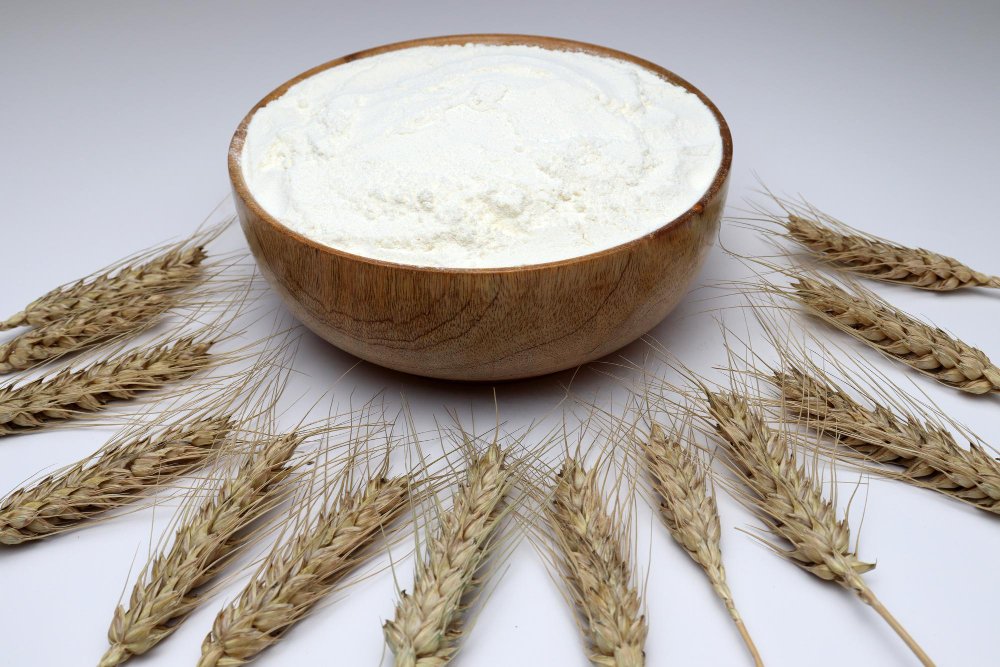
Wheat & Atta
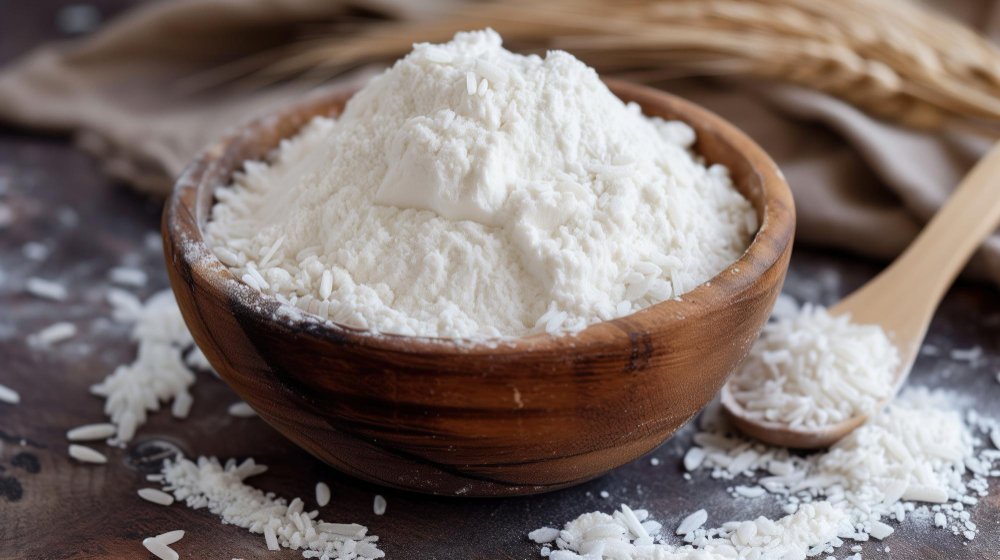
Rice Flour
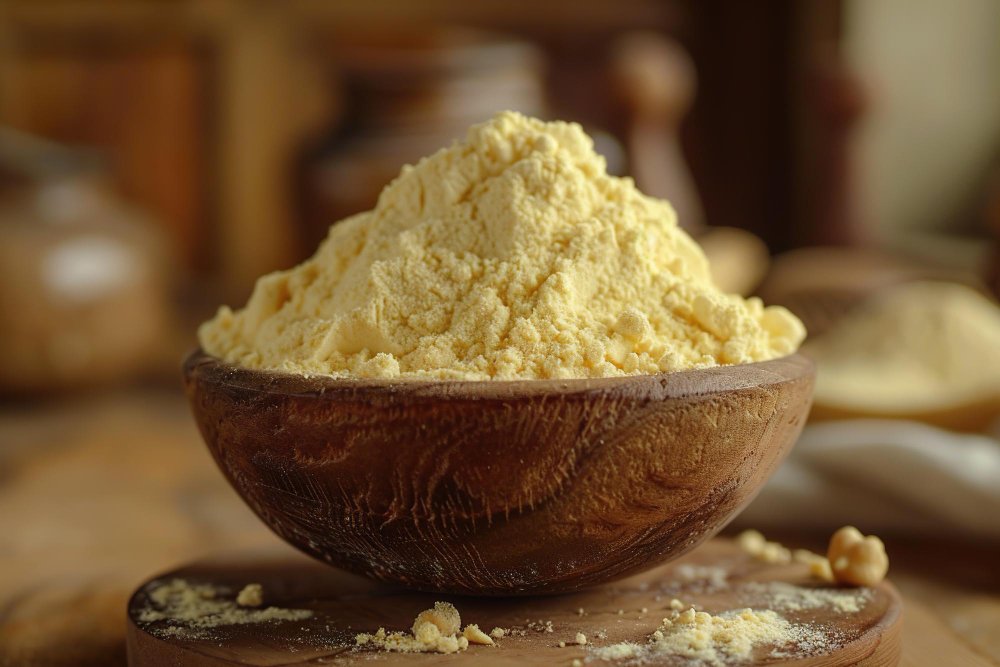
Chickpea (Besan)
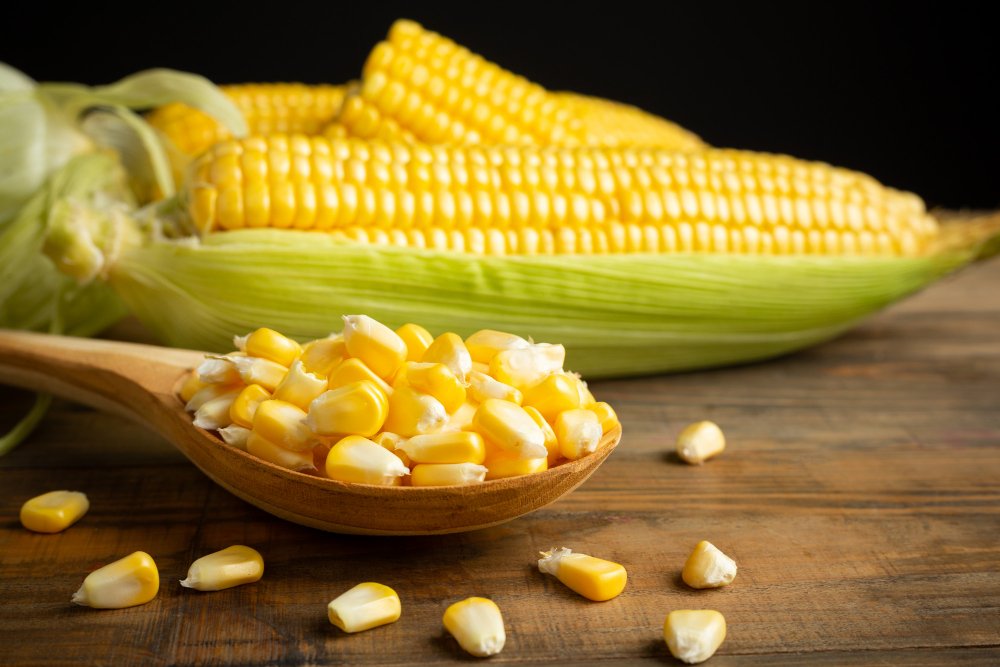
Maize & Corn
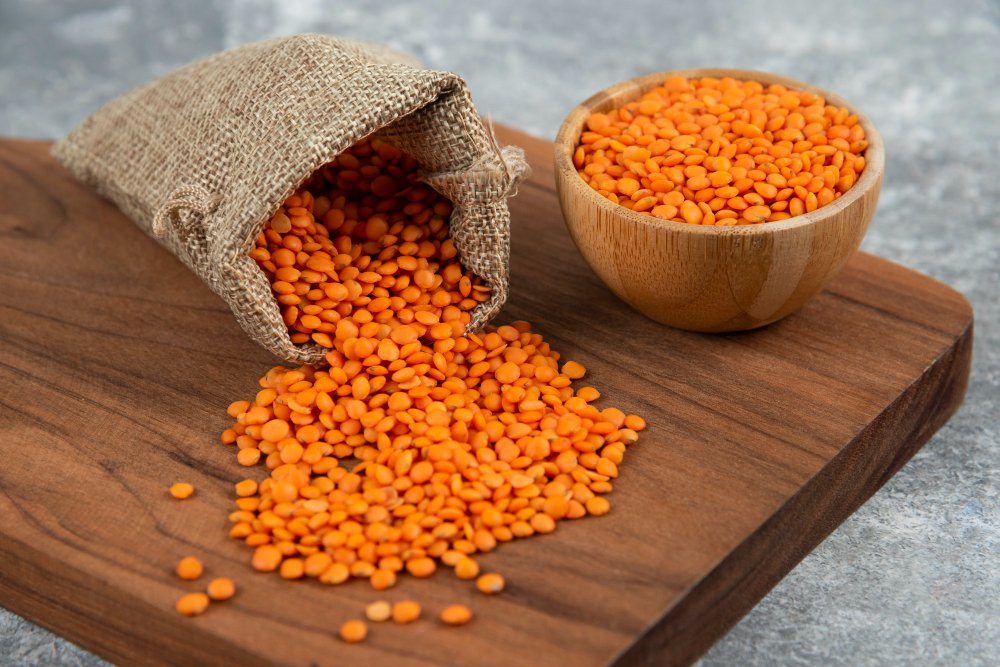
Lentil & Dal
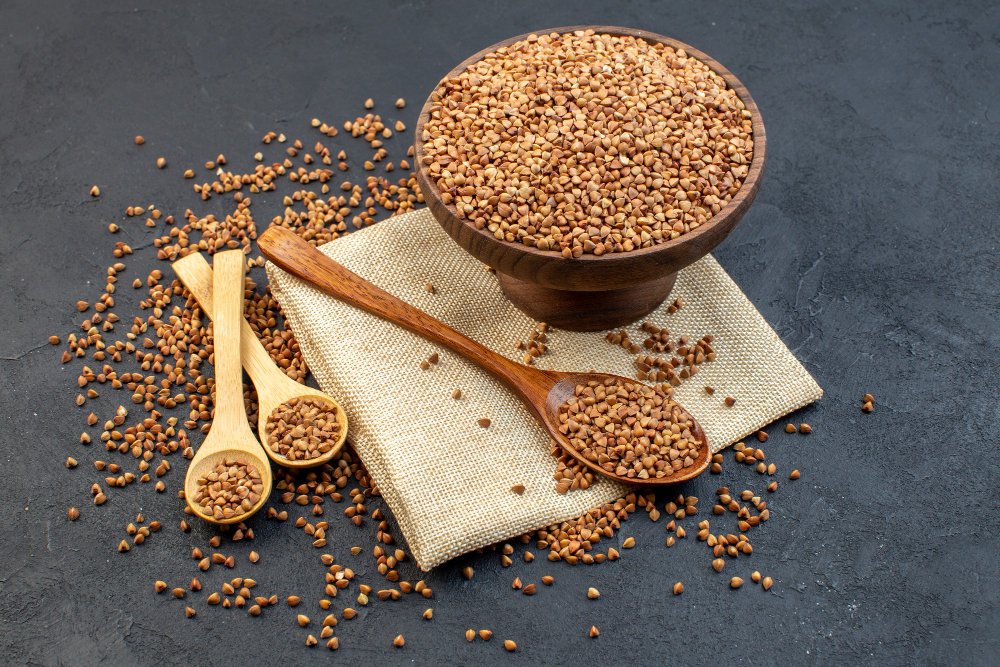
Sorghum (Jowar)
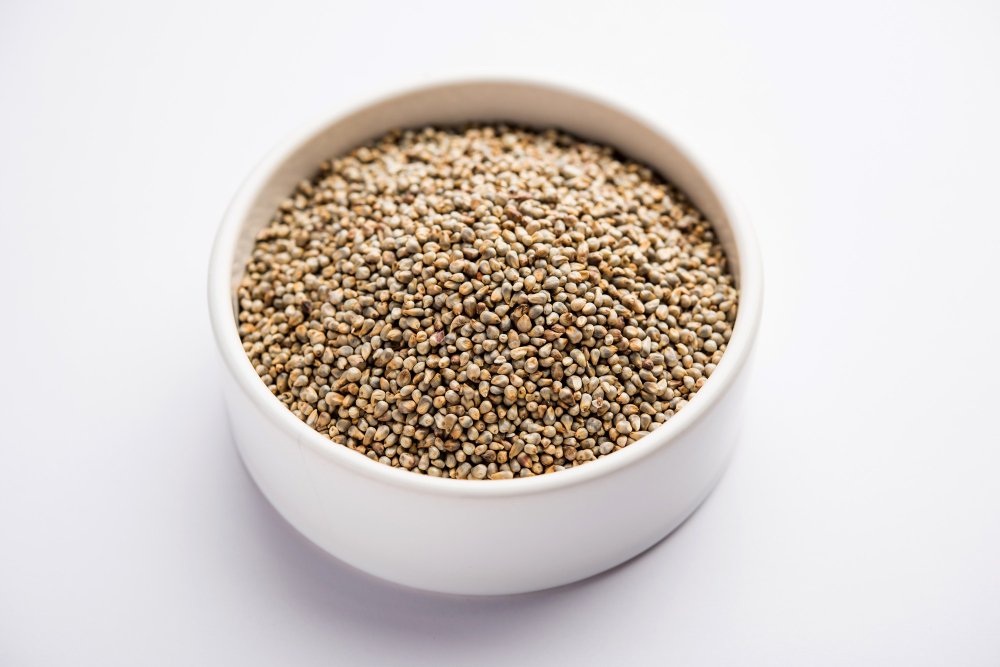
Pearl Millet (Bajra)
Most of these are avoidable if the equipment is selected with the right material data. They become expensive when they surface after commissioning.
High-impact milling damages the starch in soft wheat and rice — the problem is invisible at the mill but shows up when the flour performs poorly in baking or cooking.
Flour particle size that meets specification at the start of a shift coarsens progressively as screens wear — product quality drifts between the beginning and end of the same production run.
Fine flour dust at every discharge and transfer point is both a yield loss and a fire risk — dust that becomes airborne is product that never reaches the pack.
Multigrain blends combining wheat flour, ragi, oat and soy behave differently in a blender — dense particles settle and light particles float, so the blend that leaves the blender is not what goes into the pack.
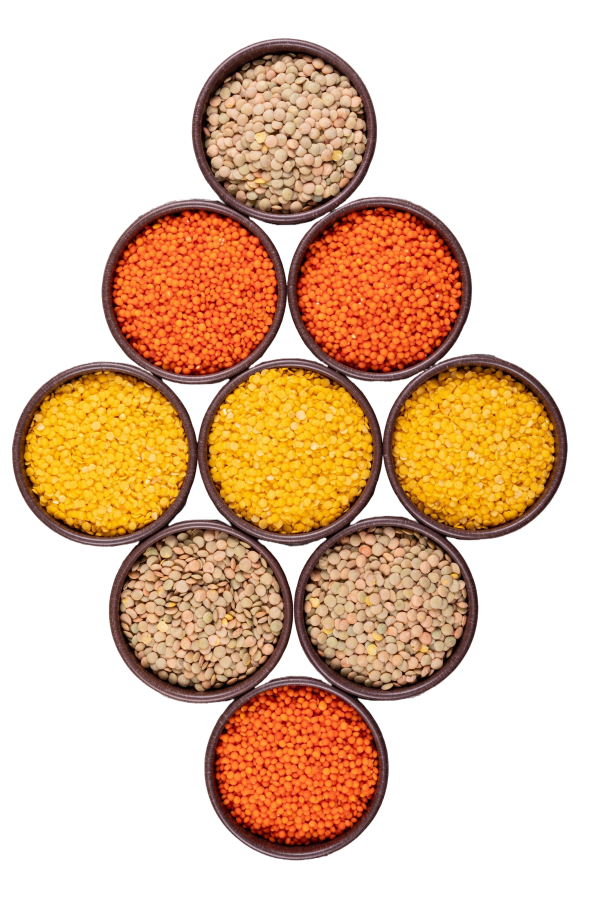
Dal splitting without the right cutting geometry shatters the cotyledon instead of splitting it cleanly — shattered dal has lower head yield, more powder and lower sale value.
Grain arriving above optimum moisture causes screen blinding and heat build-up inside the mill within minutes — moisture conditioning before milling prevents this.
Fortified flour blends with added vitamins and minerals at very small quantities are prone to dosing error — manual addition without a controlled weighing system is not reliable enough for label compliance.
Switching between wheat, maize and rice on the same mill without proper cleaning carries over colour, flavour and allergen traces into the next batch.
Each row below pairs a process solution with the specific equipment used in grain and pulse milling applications. Click either side to go deeper.
Grain-specific milling that holds particle size and protects starch
Grain and pulse milling requires mill configuration matched to the specific kernel — hardness, moisture content and starch damage threshold all vary between wheat, rice, chickpea, millets and dal. MillNest establishes rotor speed, screen aperture and clearance from trial data on the actual grain, not from generalised flour milling parameters. For high-throughput lines, the MHAM handles primary size reduction with interchangeable screen configurations for different flour grades, while the MACM delivers D90-controlled output for specialty fine flour applications.
MHAM
Hammer Mill
Primary prill and granule size reduction — abrasion-resistant configurations for hard mineral grades
MACM
Air Classifying Mill
Fine powder for water-soluble grades — D90 control, prevents heat build-up on sensitive salts
Multigrain and fortified flour blending that stays uniform to the pack
MBRL
Ribbon Blender
Double-helical ribbon handles density variation across the full batch — standard choice for dry NPK mixing
MPBL
Paddle / Plough Blender
Where ribbon action doesn't achieve uniformity — denser, cohesive or difficult-to-blend formulations
Flour dust capture that recovers product and keeps the plant safe
High-throughput grain milling generates significant flour dust — at 500 kg/hr and above, open transfer points allow measurable product loss to atmosphere and create a combustible dust environment in the mill room. Cyclone separators positioned at mill outlets recover coarse fines back into the product stream before the bag filter polishes exhaust air. Enclosed bucket elevators and screw conveyors move grain and flour between mill stages and storage without open transfers that allow dust dispersal and moisture pickup.
MLUM
Delumper
Gentle lump breaking on caked hygroscopic powders — restores flow without changing the powder spec
Accurate dosing for multi-ingredient flour and premix production
SCRW
Screw Conveyor
Sealed horizontal and inclined transfer for hygroscopic and abrasive fertilizer powders
CYCL / BAG
Cyclone + Bag Filter
Dust capture and product recovery at milling, transfer and packing points