
- Home /
- Industries /
- Food Ingredients
Food Ingredients
Allergen control by design
Heat-sensitive ingredient handling
Multi-SKU recipe management

Salt & Seasoning Bases
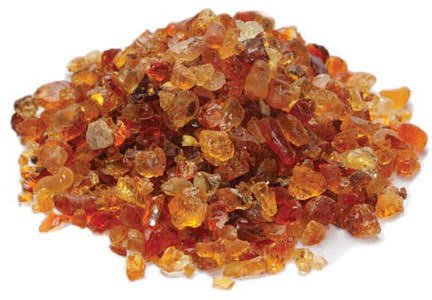
Hydrocolloids & Gums
Maltodextrin & Dextrose

Flavour Carriers & Encapsulates

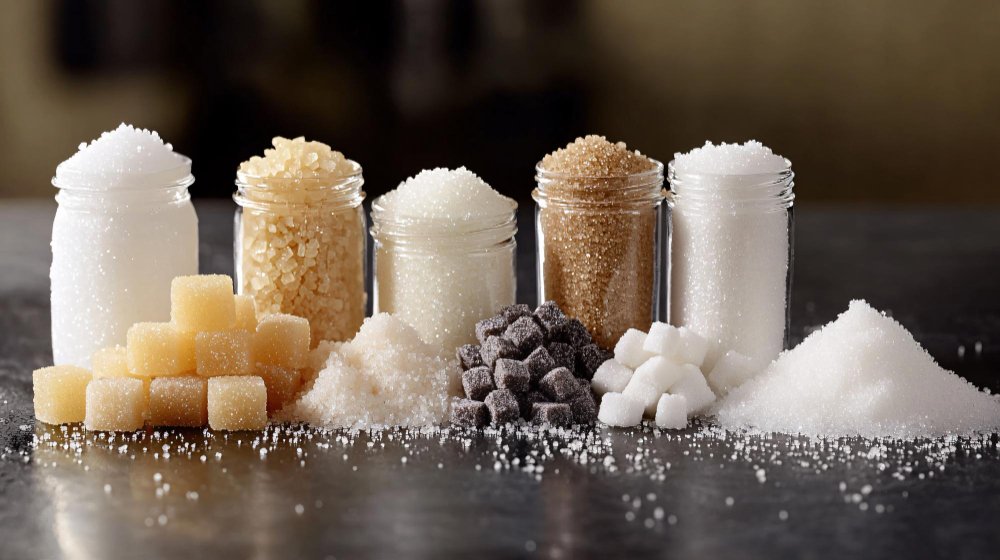
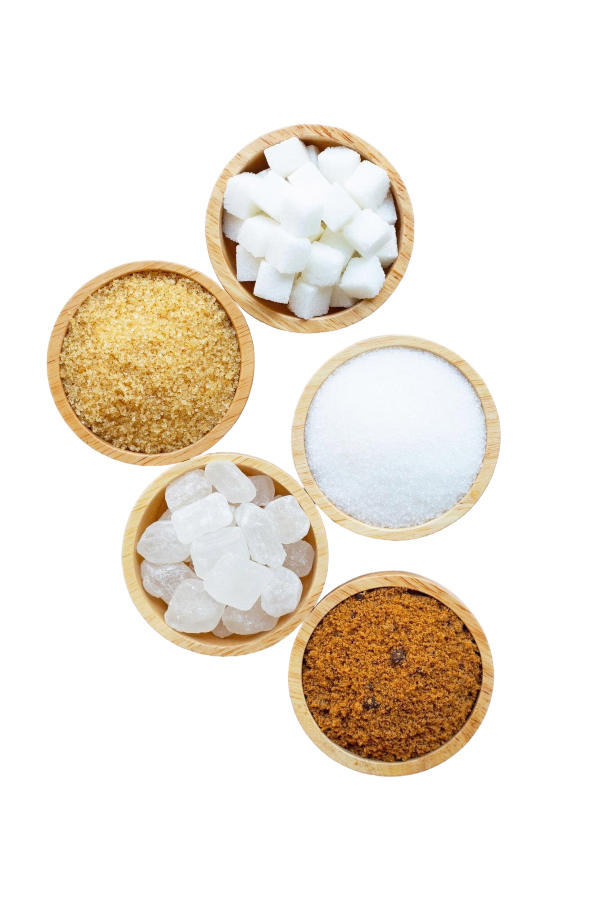
Sugar & Icing Sugar

Starch & Modified Starch

Cocoa Powder
Most of these are avoidable if the equipment is selected with the right material data. They become expensive when they surface after commissioning.
A seasoning blend that looks uniform in the mixer can separate during conveying and packing — heavier particles settle and the ratio at the filler is not the same as the recipe.
Switching between onion powder, garlic powder and chilli on the same line without proper cleaning carries flavour and colour into the next product.
Hygroscopic ingredients like onion powder and maltodextrin absorb moisture between process stages — open handling is enough to cause caking before the product reaches packing.
Sterilizing heat-sensitive ingredients like dehydrated garlic at the wrong temperature destroys colour and flavour before microbial compliance is even achieved.
Adding small quantities of salt, flavour or colour by hand to a large batch is the most common source of recipe variation — the error is invisible until a customer complaint arrives.
Liquid ingredients — oils, sauces, flavour emulsions — added to a dry blend without the right equipment coat only the particles they contact first, leaving the rest of the batch uncoated.
Food ingredient lines producing multiple recipes on the same equipment accumulate allergen and flavour residues in dead zones that standard cleaning does not reach.
Dry blends packed above their safe moisture level cake in the bag during storage and arrive at the customer as a solid block rather than a free-flowing powder.
Each row below pairs a process solution with the specific equipment used in food ingredient applications. Click either side to go deeper.
Size reduction that respects ingredient integrity
Food ingredient milling is less about throughput and more about preserving the functional properties of the material being processed. Encapsulated flavours need to exit the mill intact. Hydrocolloids must not smear or agglomerate on screen faces. Crystalline salts and sugars need controlled particle size without the fines that cause caking downstream. MillNest configures rotor speed, screen type and material contact surfaces from trial data on the specific ingredient — the universal mill is particularly useful for heat-sensitive or structurally delicate materials where multiple milling modes can be tested before commitment.
MHAM
Hammer Mill
Primary prill and granule size reduction — abrasion-resistant configurations for hard mineral grades
MACM
Air Classifying Mill
Fine powder for water-soluble grades — D90 control, prevents heat build-up on sensitive salts
Multi-ingredient blending across wide density and function ranges
MBRL
Ribbon Blender
Double-helical ribbon handles density variation across the full batch — standard choice for dry NPK mixing
MPBL
Paddle / Plough Blender
Where ribbon action doesn't achieve uniformity — denser, cohesive or difficult-to-blend formulations
Accurate dosing from bulk components to minor functional additions
Food ingredient blending requires accurate dosing across a wide quantity range within the same batch — major carriers in the tens of kilograms, minor flavour and functional actives in hundreds of grams, and trace preservative or colour additions potentially in single-digit gram quantities. No single weigh hopper handles this range with adequate resolution. A structured batching system with separate precision stations for minor and trace additions, guided operator workflow and electronic batch recording is the correct approach for multi-component food ingredient production with FSSAI compliance requirements.
MLUM
Delumper
Gentle lump breaking on caked hygroscopic powders — restores flow without changing the powder spec
Enclosed transfer and cake restoration for hygroscopic ingredients
SCRW
Screw Conveyor
Sealed horizontal and inclined transfer for hygroscopic and abrasive fertilizer powders
CYCL / BAG
Cyclone + Bag Filter
Dust capture and product recovery at milling, transfer and packing points