
Dried Herbs Processing PLANT
Dried herbs process differently from seed spices in one fundamental way — their fibrous, leafy cell structure resists impact milling and requires clean cutting action instead. Attempting to impact-grind kasuri methi or curry leaves in a standard hammer mill produces a mix of fine dust, partially ground fibres and intact cell debris that does not sift to a uniform particle size and loses most of its colour and aroma in the process. The cutter mill — not the hammer mill — is the correct primary size reduction tool for dried leaf herbs, and the distinction matters significantly for both product quality and equipment life.
Cut — not impact — milling for leaves
Green colour retention priority
Low-heat aroma-protective processing
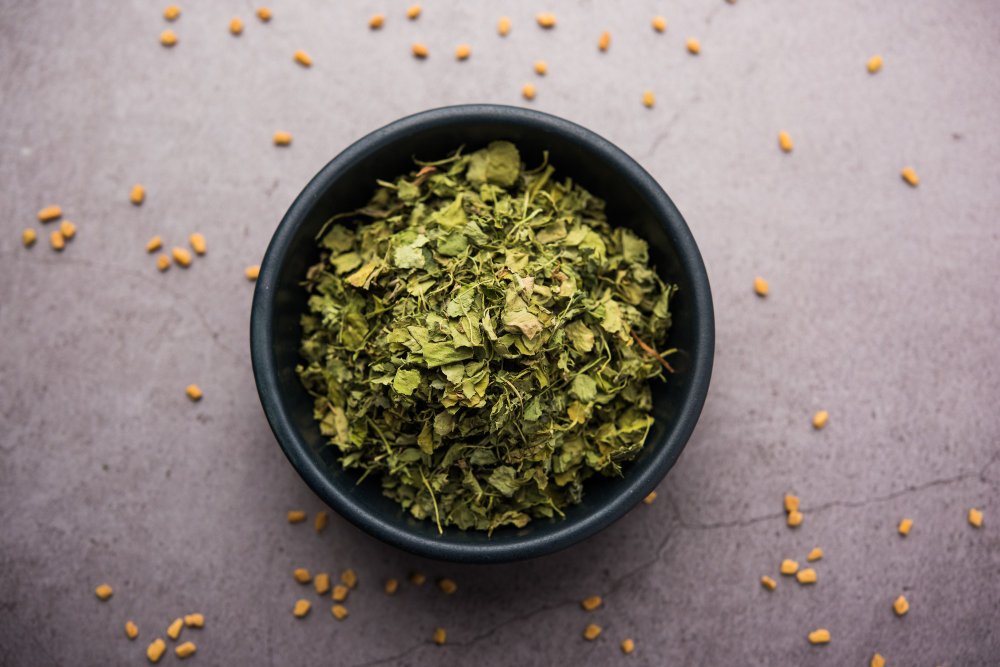
Kasuri Methi (Fenugreek Leaf)
India's highest-volume dried herb. Small, brittle leaf with strong fenugreek aroma. Stalk-to-leaf separation critical for premium grades. Fibrous stalk requires different cut configuration from soft leaf.
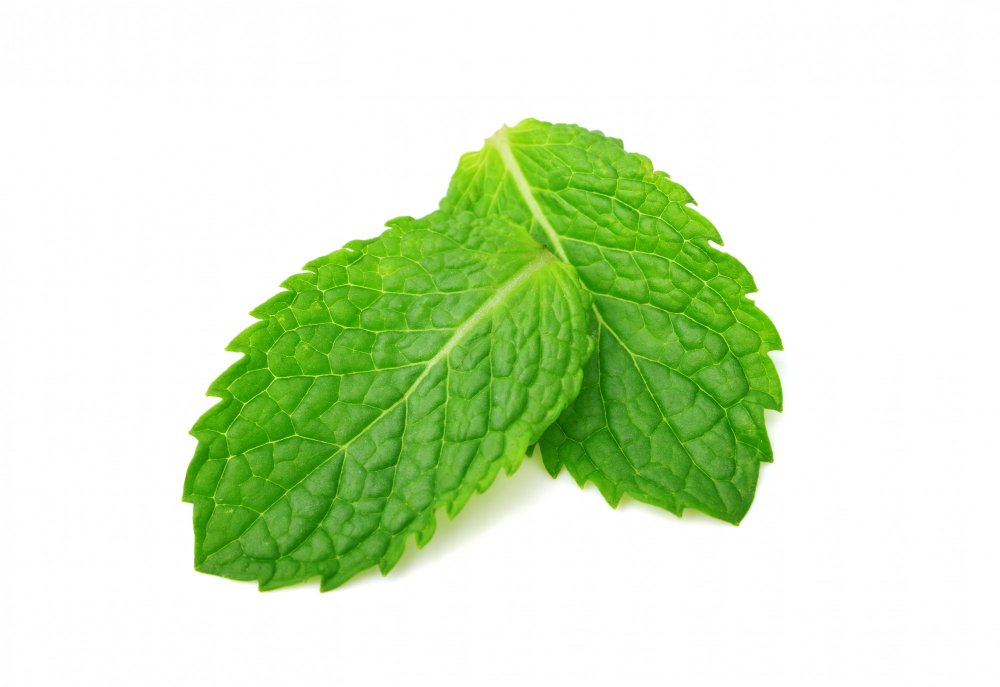
Mint (Pudina)
High volatile oil content — menthol and menthone are extremely heat-sensitive. Deep green colour is a primary quality indicator. Requires the lowest processing temperature of all common dried herbs.
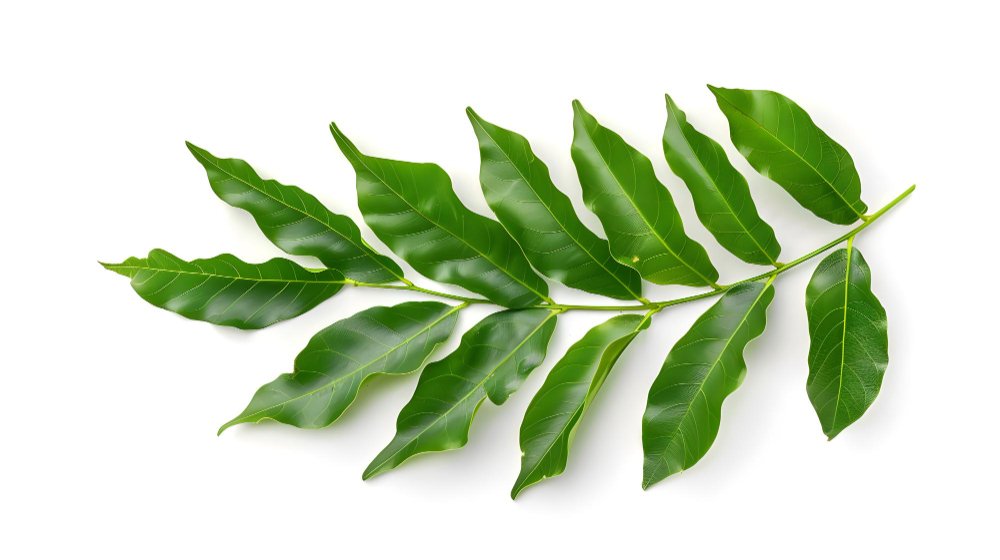
Curry Leaves (Kadi Patta)
Waxy leaf surface resists grinding. Characteristic citrus-curry aroma from carbazole alkaloids and terpene compounds. Small, oval leaf — requires fine screen configuration for consistent particle size.
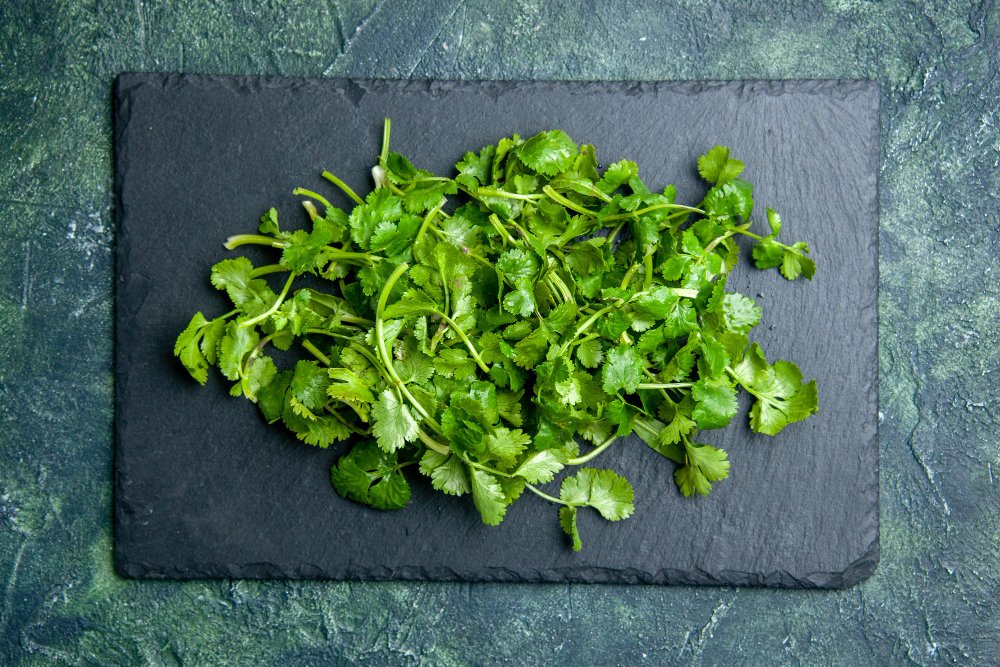
Coriander Leaf (Dhania Patti)
Soft, fragile leaf with high volatile oil. Distinct from coriander seed in both structure and flavour profile. Very sensitive to heat — loses characteristic fresh-herb aroma rapidly above 50°C.
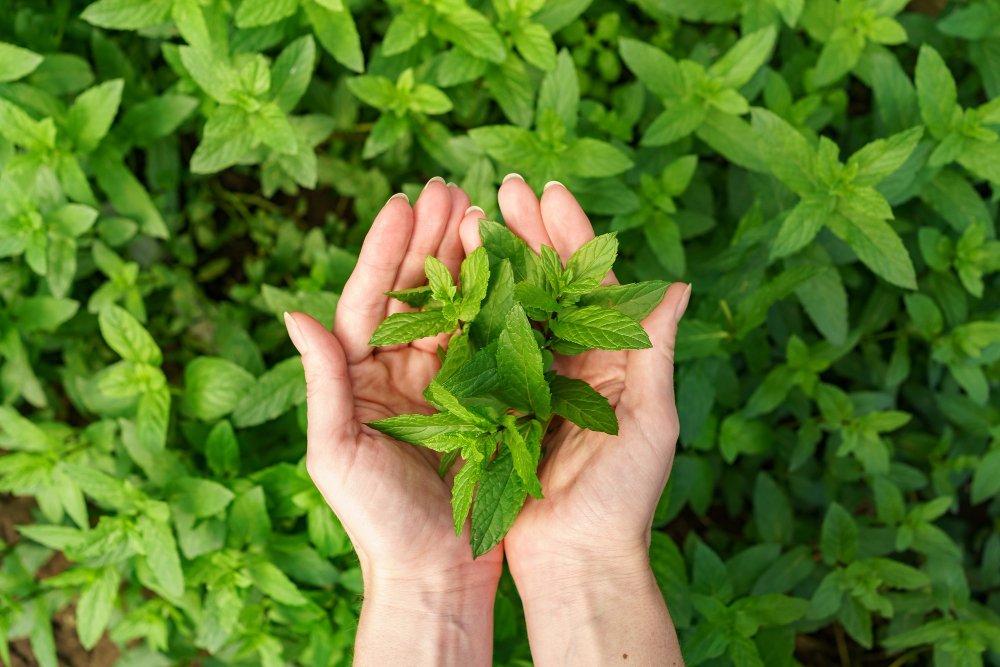
Holy Basil (Tulsi)
Strong eugenol and methyl eugenol volatile oil. Both culinary and medicinal applications. Stalk is substantially harder than leaf — grade separation required before processing for premium leaf powder.
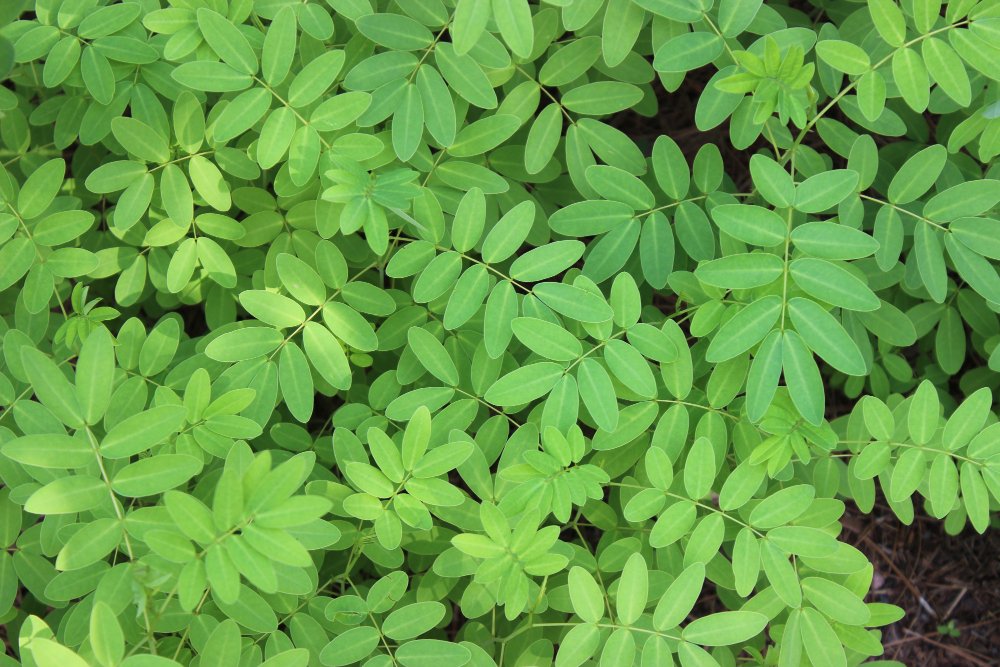
Moringa (Drumstick Leaf)
Increasingly specified for nutraceutical applications. Fine powder required (80 mesh+). High protein and iron content. Processing temperature critical — bioactive compounds degrade above 60°C.
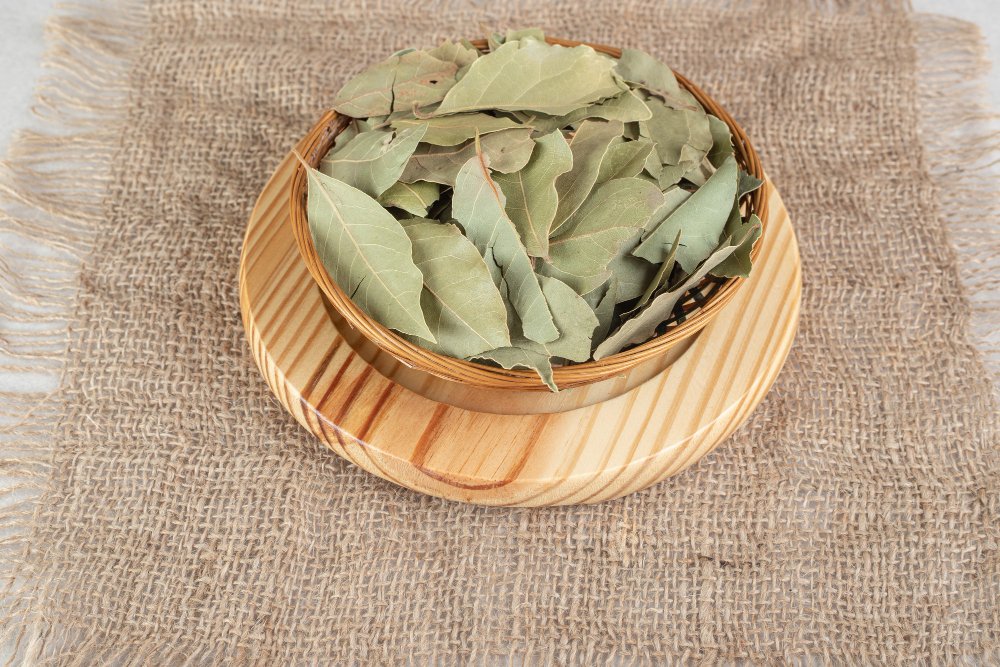
Bay Leaf (Tej Patta)
Stiff, leathery leaf with thick central midrib. Requires different cutter configuration from soft herbs. Used in biryanis, stocks and masala blends. Midrib removal improves powder quality.
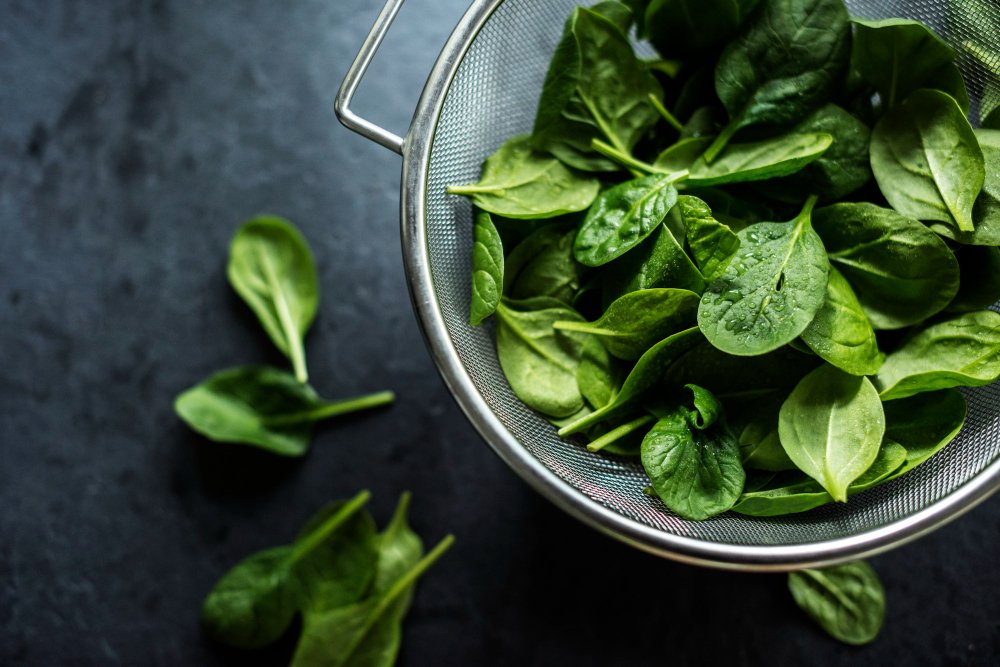
Dried Spinach / Greens
Thin, fragile leaf with high chlorophyll content. Colour is the primary quality indicator — any yellowing or browning during processing is a rejection risk. Very low processing temperature required.
Dried herb lines produce multiple output forms from the same incoming material. Each form requires a different exit point from the processing sequence and different equipment between drying and packing.
Whole / Rubbed
Hand-rubbed or loosely broken leaf
Minimal processing — dried leaf loosely broken to reduce volume without significant size reduction. Used in retail tea and herb packs where visual leaf character is required.
Cut (Coarse)
3–8mm cut herb pieces
Cutter mill to 3–8mm with stalk separation by sifting. Standard for foodservice kasuri methi, restaurant-grade dried herbs and herb tea blends. Colour retention is critical at this grade.
Granules
1–3mm fine cut granules
Finer cut for masala blends, snack seasonings and instant food applications. Requires two-stage cutting for consistency. Sifting removes stalk fragments that create texture defects at this size.
Powder
40–80 mesh fine powder
Full powder for spice blends, health supplements and industrial food applications. The most temperature-sensitive grade — volatile oil loss at the mill is the primary quality risk. Enclosed processing and low-heat mill configuration essential.
Green colour and volatile aroma are lost cumulatively — each stage adds heat, mechanical stress or air exposure. The line must be designed to minimise these at every step, not just at the milling stage.
Colour — Green Retention
Vivid green to olive green — yellowing = rejection
Green colour in dried herbs comes from chlorophyll, which degrades to pheophytin (yellowish-olive) when exposed to heat, acid or prolonged storage. Processing temperatures above 60°C accelerate chlorophyll degradation measurably. Buyers of premium kasuri methi, mint and curry leaf powder specify colour visually — any yellowing relative to a reference sample triggers rejection before moisture or particle size is even checked.
Aroma Intensity
Herb-specific — assessed against reference standard
Herb aroma comes from volatile compounds stored in surface glandular trichomes — the tiny oil-bearing structures on leaf surfaces. Drying temperatures higher than 60°C result in the loss of most volatile compounds in dried herbs. Impact milling at high speed compounds this by releasing oil simultaneously from thousands of cells and exposing it directly to heat at the mill chamber surface. Aroma is evaluated against a buyer's reference sample — weaker aroma than reference is a quality failure even if all measurable parameters pass.
Particle Size / Cut Specification
Coarse: 3–8mm; Granule: 1–3mm; Powder: 40–80 mesh
Herb particle size specification is application-driven. Cut grades are specified in millimetres — they are evaluated by visual inspection and mesh separation. Powder grades are specified by mesh size. For both, consistency within the specified range matters as much as the mean particle size — a broad distribution produces visible texture variation in the finished application and uneven flavour release.
Moisture Content
Specification: typically 8–10% max for cut herbs
Dried herb moisture specification is higher than for spice powders — the cell structure tolerates some retained moisture without caking risk. However, moisture above 10–12% increases microbial activity and reduces shelf life. The recommended moisture level of the process line input is around 8–12% — above this range the herb becomes tough rather than brittle and the cutter mill generates more fines and heat during size reduction.
Stalk Content
Premium grades: stalk <3% by weight
Stalk material in kasuri methi and other leaf herbs dilutes aroma, contributes woody texture and degrades the visual appearance of the powder or cut herb. Premium export grades of kasuri methi and mint specify low stalk content — which requires effective stalk separation before and after size reduction. Stalks and leaves have different hardnesses and require different screen sizes to separate after cutting, which is why multi-deck sifting is essential on premium herb lines.
Microbial Count
EU/US: Salmonella absent; TPC <10⁵ CFU/g
Field-dried herbs carry microbial contamination from soil contact and open drying. Export market microbial requirements apply to dried herbs as they do to spices. For green herbs, full HTST sterilization at 102°C+ is not appropriate — the temperature causes irreversible chlorophyll degradation and colour loss. Low-temperature steam pasteurization below 80°C achieves export microbial compliance while preserving the green colour that defines premium herb quality.
Foreign material removal and leaf-stalk grade separation
ASPR
Aspirator
Air separation of dust, fine foreign material and lightweight impurities before herb enters the processing line
SIFT
Vibro Sifter (pre-separation)
Coarse stalk separation from leaf fraction before cutter mill — reduces stalk content in the finished product
Export microbial compliance with colour preservation
HTST
Natural Steam Sterilizer
Sub-80°C treatment for green herbs — export microbial compliance without chlorophyll degradation or colour loss
FBD
Fluid Bed Dryer
Post-pasteurization moisture removal at reduced air temperature — critical for green colour preservation
Clean-cut size reduction that preserves leaf structure and colour
MCUT
Cutter Mill
Primary size reduction for all dried leaf herbs — clean-cut blade action, interchangeable screens for all output grades
MHAM
Hammer Mill (secondary, fine powder only)
Secondary fine powder pass for 60–80 mesh grades — reduced speed, inter-stage cooling after cutter mill
Grade separation and colour-standardised blending
Post-cutting sifting on a multi-deck sifter simultaneously separates on-spec cut leaf, undersize fines and oversize stalk fragments. The fines from herb cutting have lower aroma and colour intensity than the larger cut particles — their separation and routing to a lower grade or separate product stream is part of maximising the yield of premium grade material. For export contracts specifying colour against a buyer’s reference standard, ribbon blending of different crop-date batches to colour specification is standard practice on commercial herb lines. Prompt sealed packing after blending minimises re-absorption of atmospheric moisture and slows continued chlorophyll degradation in the finished pack.
SIFT
Multi-Deck Vibro Sifter
Grade separation of cut leaf, stalk fragments and fines — multiple output grades from a single sifting pass
MRBL
Ribbon Blender
Crop-batch colour blending for export specification compliance — sealed discharge directly to packing
Transform Fresh Herbs into Premium-Quality Dried Products.
Preserve the natural aroma, flavor, color, and nutritional value of your herbs with our advanced drying and processing solutions. From harvesting to hygienic packaging, we ensure every step meets the highest quality standards. Partner with us to deliver consistent, market-ready dried herbs that customers trust.