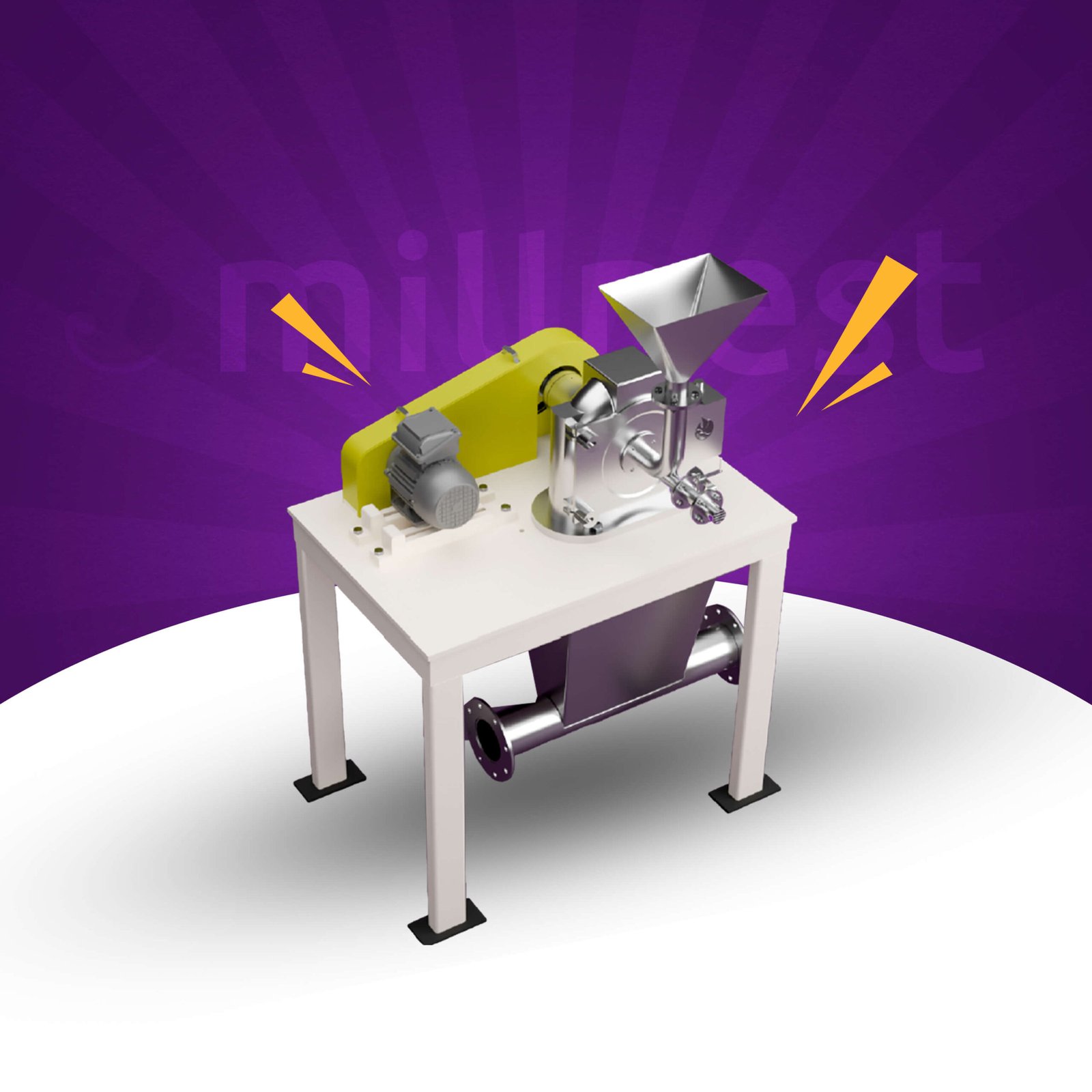

Natural Steam Pasteurizer

Pathogen Elimination. Quality Preserved. No Chemicals.

The MillNest MPAS deploys TEMA Process B.V. natural steam pasteurization at 85–98°C — the correct choice when the material’s quality parameters are incompatible with full sterilization temperatures. Dehydrated onion and garlic brown above 100°C. Dried herbs lose chlorophyll above 80–85°C. 

Hygroscopic botanicals lose volatile oil identity at elevated temperature. The MPAS eliminates pathogens while staying below every threshold that matters for these materials — producing a compliant product that has not been thermally compromised to achieve its microbiological status.

Pathogen Elimination

No Chemical Fumigants, No Irradiation

Continuous Shaking Bed

Uniform Steam Contact Across Full Material Depth

Integrated FBD Post-Drying

Hygroscopic Materials Returned to Spec Moisture

Therma Process Technology

Netherlands (formerly TEMA Process B.V.)

85–98°C

Pasteurization Temperature

~1 bar

Atmospheric Steam Pressure

Pathogen

Elimination — Natural Steam

Colour & Volatile Oil

Preserved Below 100°C

Continuous

Shaking Bed Process

Sterilization at 102–122°C achieves Log 6 microbial reduction — but for a material like dehydrated onion, the Maillard browning reaction that darkens the colour and degrades pyruvic acid pungency begins well below 100°C. Treating dehydrated onion in a sterilizer does not produce a sterilized dehydrated onion with intact colour — it produces a browning product that fails colour specification at the same time it passes microbial specification. 

The pasteurizer solves this by keeping the treatment temperature below the threshold where these reactions occur, while still delivering sufficient thermal energy to eliminate the pathogens the buyer or regulator requires to be absent.

The distinction is not about which equipment is more capable — it is about which temperature regime is correct for the specific material. Materials that are hygroscopic, that carry visible colour compounds sensitive to heat, or that carry volatile oils that evaporate at moderate temperature require pasteurization temperature management. The MPAS is designed to hold this lower temperature range with the same continuous process precision as the MHTST holds the sterilization range.

Use your mouse to move or zoom in the model

Model Throughput (kg/hr) Steam Pressure (bar) Pasteurization Temp (°C) Contact Time (sec) Steam Pressure (bar)
MHTST-100 50 – 150 ~1 (atmospheric) 85 – 98 20 – 40 4 – 6 (steril) / ~1 (past)
MHTST-300 150 – 400 ~1 (atmospheric) 85 – 98 20 – 40 4 – 6 (steril) / ~1 (past)
MHTST-600 102 – 122 ~1 (atmospheric) 85 – 98 3,000 – 8,000 4 – 6 (steril) / ~1 (past)
MFBD-600 800 – 1,500 ~1 (atmospheric) 85 – 98 20 – 40 4 – 6 (steril) / ~1 (past)
  • Chilli & Red Pepper — ASTA Colour Retained
  • Turmeric — Curcumin Stable at HT-ST Conditions
  • Coriander, Cumin & Seed Spices — Volatile Oil Preserved
  • Black Pepper — Piperine and Volatile Oil Stable
  • Dehydrated Onion & Garlic — Sub-100°C for Browning Prevention
  • Dried Herbs & Botanicals — Chlorophyll Protected

MHTST Sterilizer Catalogue

Full technical specifications, model throughput range, process parameters and TEMA Process B.V. technology overview for all MHTST models.

MHTST Datasheet

Single-page datasheet — sterilization and pasteurization parameters, throughput ranges, material suitability and construction overview.

BEST SUITED FOR
Materials we commonly pasteurize
The MPAS handles hygroscopic, colour-sensitive and volatile oil-bearing materials that require pathogen elimination below the temperatures that would cause Maillard browning, chlorophyll degradation or volatile compound loss.

Chilli

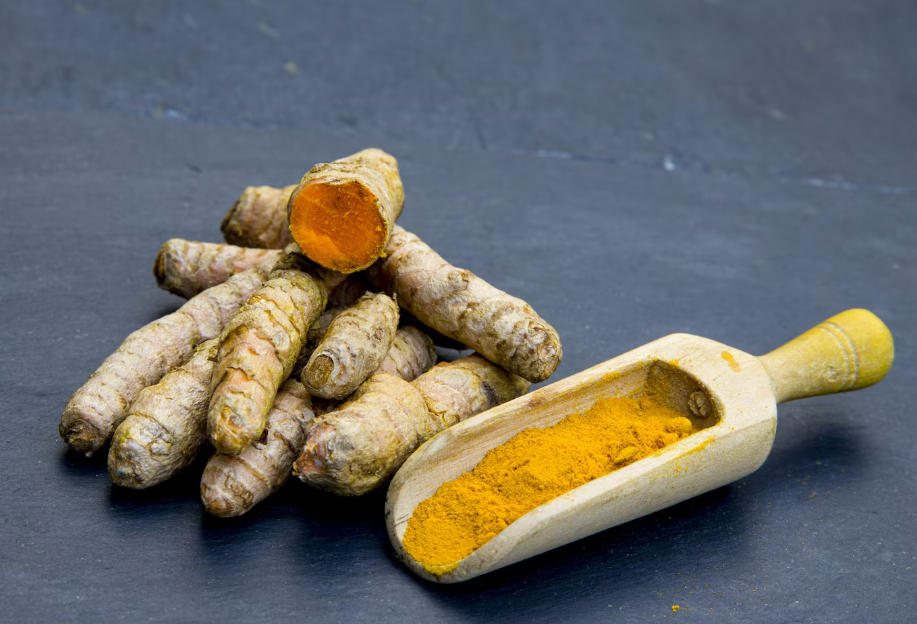
Turmeric

Coriander

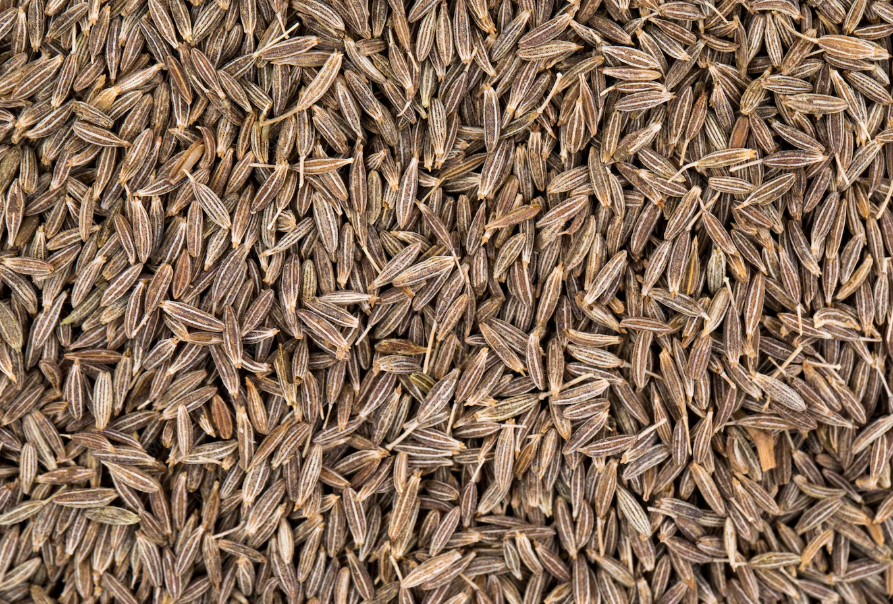
Cumin

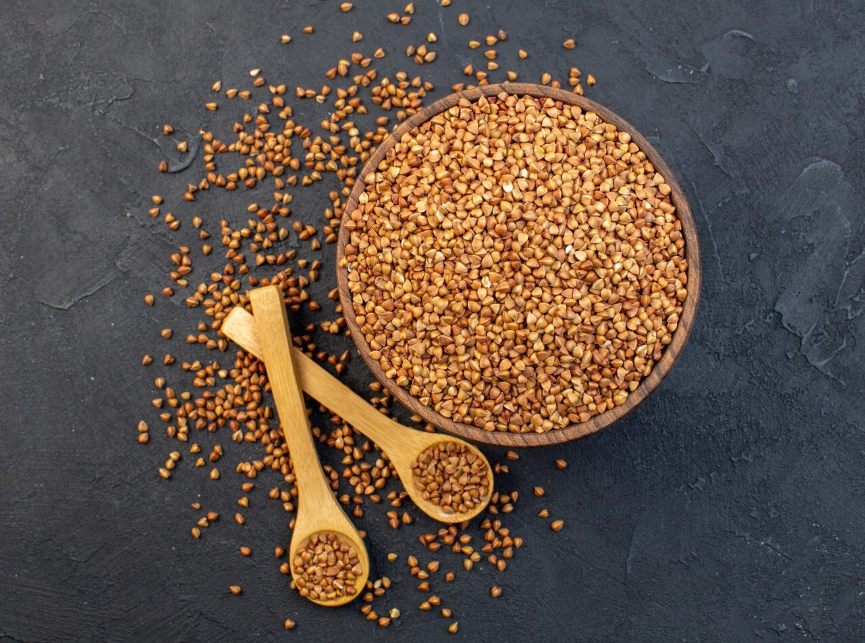
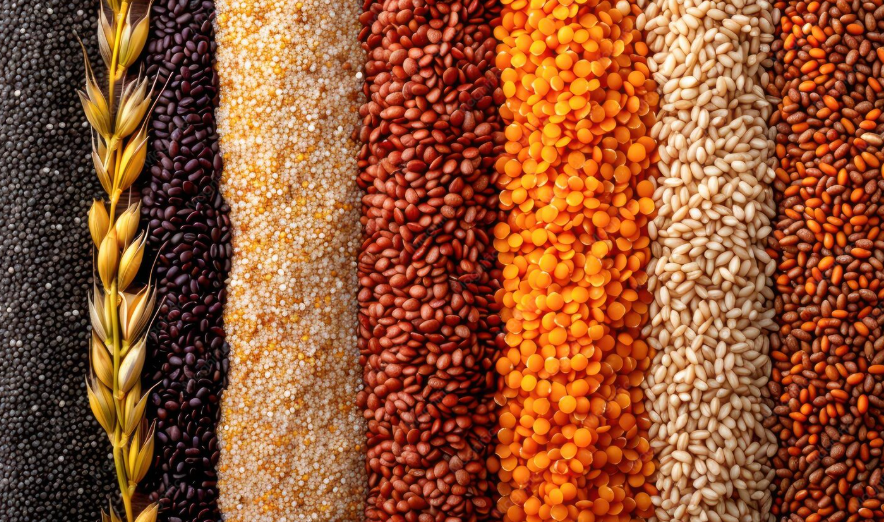
Grains
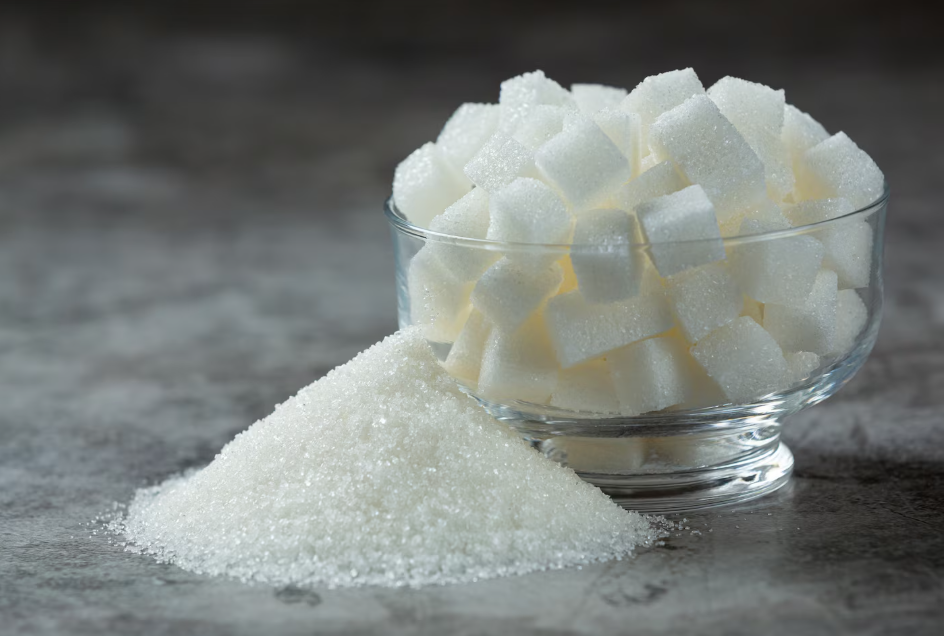
Sugar
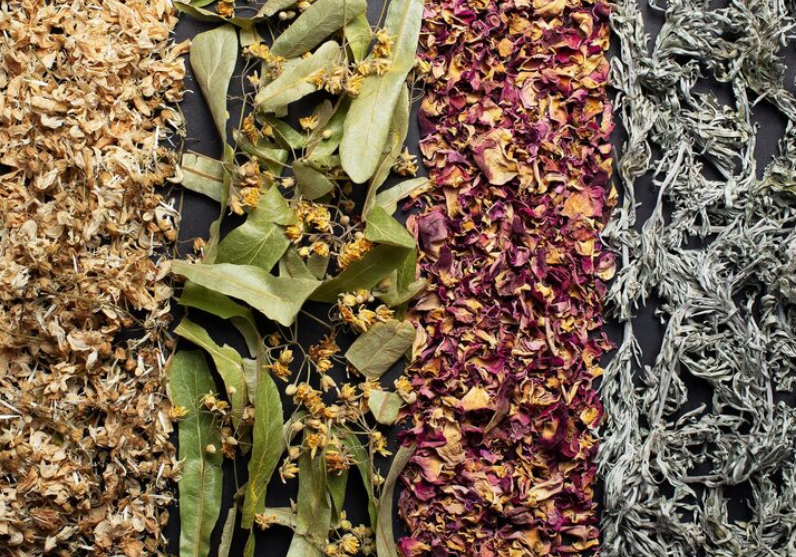
Dried Herbs

View All Materials

Not sure if MPAS or MHTST is right for your material?

Share your material, its key quality parameters (colour specification, volatile oil or pungency standard, moisture specification), the microbial reduction requirement and the export market. Our process team will determine the right temperature regime and validate it on your actual material — confirming that the treatment meets the microbial requirement without compromising the quality parameters that make the product commercially valuable.
STEP 1
Share Material Details
STEP 2
We Run a Trial

STEP 3
Analyze the Output

STEP 4
Recommend Best Process
Use this machine when
Choose MPAS when your application matches
These four conditions indicate the MPAS Pasteurizer is the right starting point. If your material is heat-stable at 102–122°C, see the MHTST Sterilizer instead.

Get Your Custom Pasteurization Solution

Tell us the material, its colour and volatile oil specification, the microbial reduction requirement and the buyer’s documentation standard. Our process team will validate the right temperature and residence time on your actual material before any capital commitment.