
CHILLI PROCESSING PLANT
Chilli powder quality is measured at the buyer’s end in ASTA colour units, moisture content and fineness — not at the mill. Every stage from cleaning through to packing either protects or reduces these values. MillNest designs chilli processing lines around the specific variety being processed and the output standard being targeted — not a generic chilli grinding configuration.
ASTA colour value protection
Low-heat multi-stage milling
Natural steam sterilization
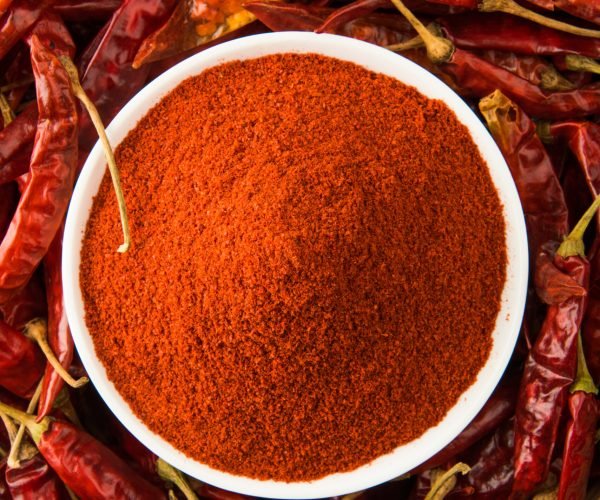
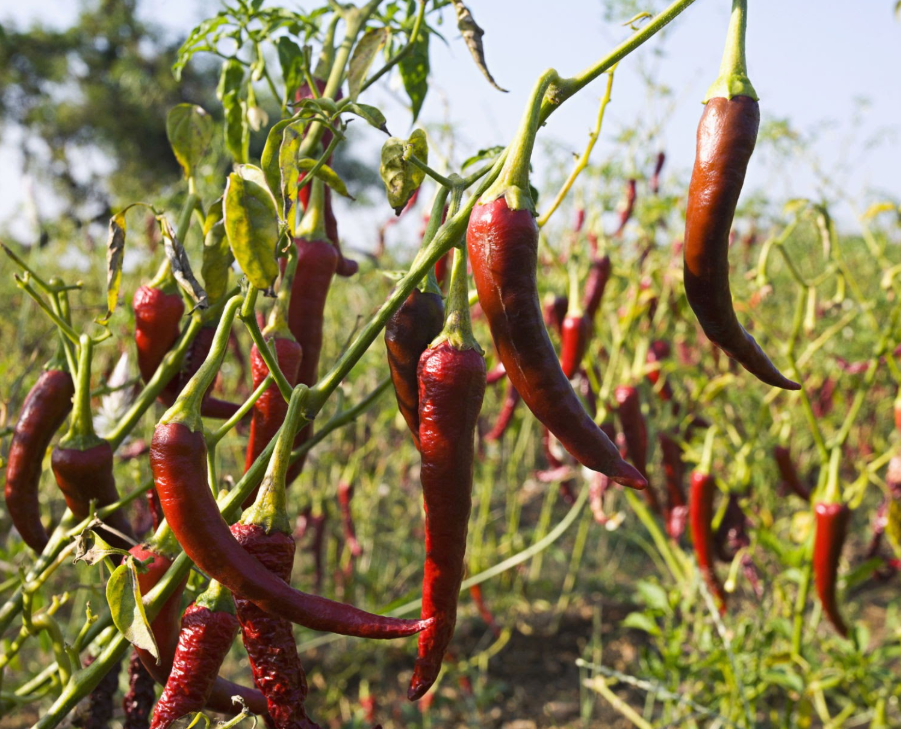
Byadgi (Karnataka)
High colour value, low pungency. ASTA 150–200+. Deep red, wrinkled skin. Processed primarily for colour extraction and premium powder.
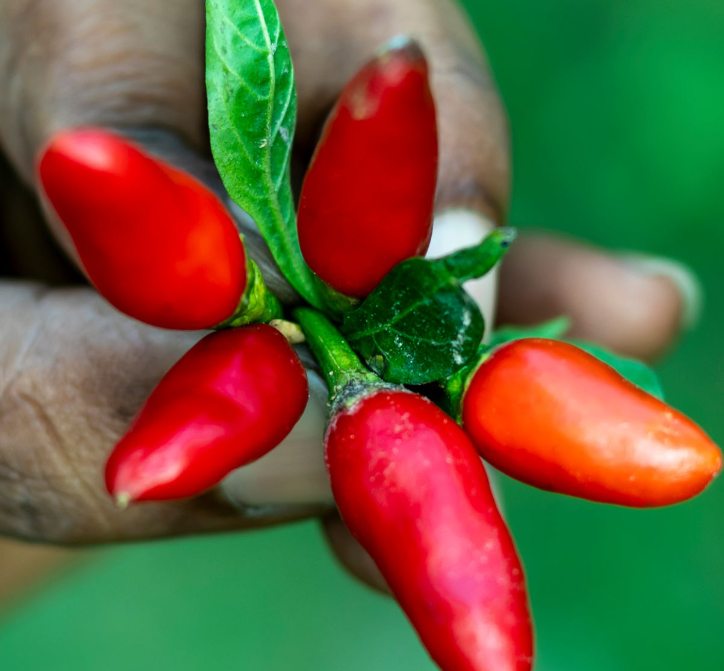
Guntur (Andhra)
High capsaicin, moderate colour. India's highest volume chilli. Thick flesh, high moisture content. Export dominant variety.
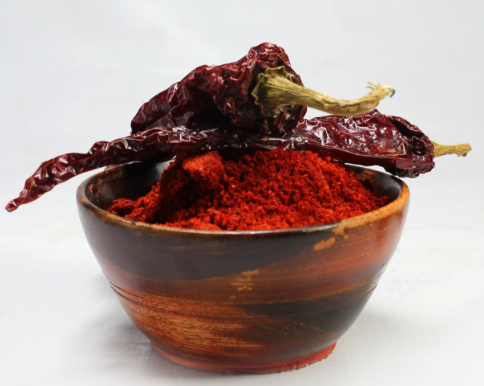
Kashmiri
Mild heat, brilliant red colour. Low ASTA variation. Used for colour in dishes where pungency is not required.
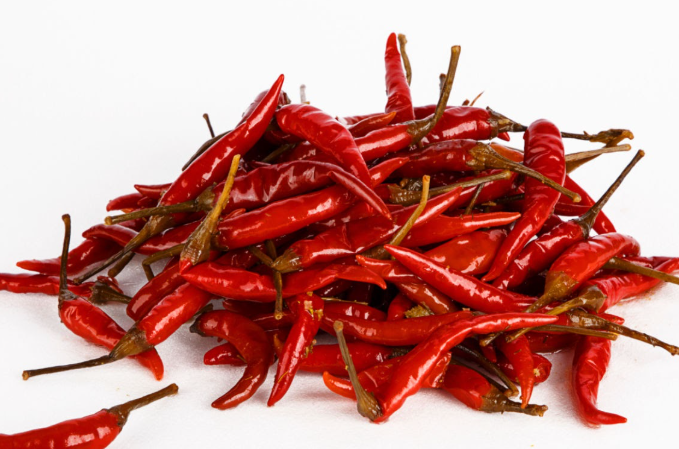
Teja (Andhra)
Very high capsaicin. Export grade for oleoresin extraction and high-heat powder. Thin skin, small seed fraction.
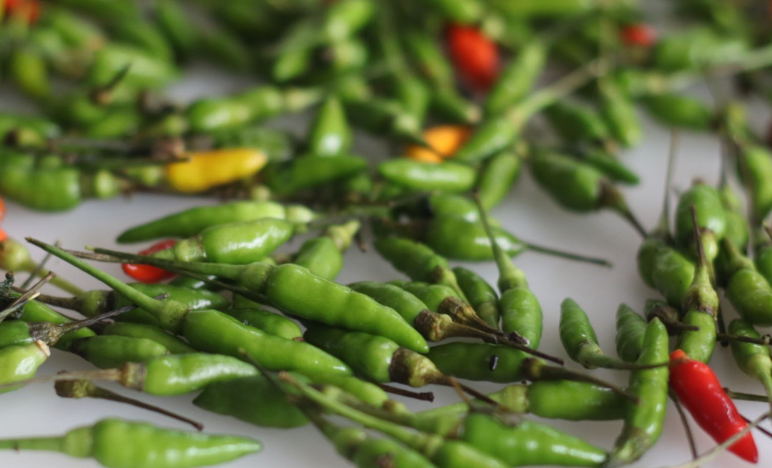
Kanthari (Kerala)
Bird's eye variety. Extremely pungent, small size. Processed for speciality powder and export in whole dried form.
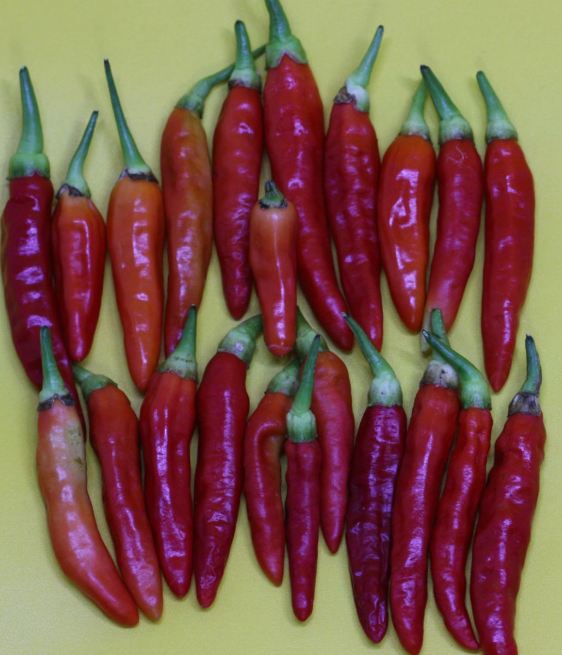
Mathania (Rajasthan)
Deep red, high colour. Used in Rajasthani cuisine powder and regional spice blends. Moderate pungency.
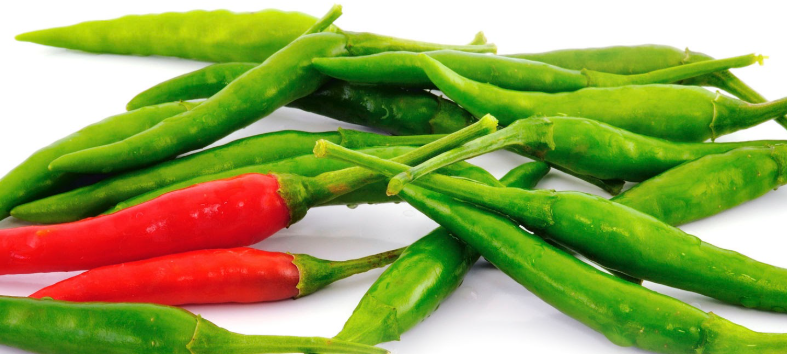
Dhani (Himachal)
Small, thin-walled. High volatile oil content. Processed for local powders and pickles. Low throughput applications.
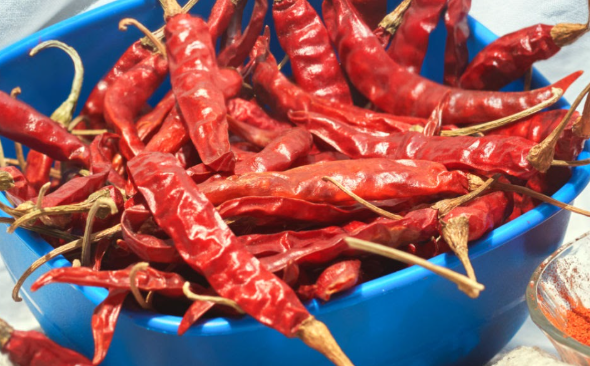
Blended Grades
Multi-variety blends to hit target ASTA, moisture and capsaicin specifications. Common in export and branded powder lines.
Each stage either protects or degrades the final powder quality. ASTA colour, moisture content and fineness are all affected by how each step is designed and operated.
Chilli powder is bought and sold against three measurable parameters. Every process decision on the line should be evaluated against its effect on these three values — not against throughput alone.
ASTA Colour Value
Target: ASTA 80–200+ depending on grade
ASTA (American Spice Trade Association) colour units measure the extractable red colour from the powder. Heat generated during milling degrades carotenoids — the compounds that create the red colour — reducing ASTA value. Low-heat grinding configuration, controlled rotor speed and inter-stage cooling are all critical to preserving colour through the milling stages.
Moisture Content
Specification: typically 10–12% max
High moisture in chilli powder accelerates mould growth and reduces shelf life. Low moisture reduces colour value and increases brittleness. The moisture content at the time of milling directly affects grinding energy, heat generation and powder texture. Moisture conditioning before milling and controlled drying post-sterilization both need to be managed to the specific variety's target moisture range.
Fineness (Mesh / Particle Size)
Common grades: 30, 40, 60, 80 mesh
Fineness specification is set by the end application — 30 mesh for chilli flakes, 60–80 mesh for standard powder, finer for export or blended masala use. Multi-stage milling progressively reduces particle size while managing heat at each stage. Screen selection and sifting efficiency both determine how tightly the final distribution is controlled. Screen wear causes drift — particle size monitoring at defined intervals is essential on continuous production lines.
Microbial Count
Export requirement: typically TPC <10⁵ CFU/g
Sun-dried chillies carry high microbial loads from field contamination and open drying. EU and US import markets set hard limits on total plate count, yeast, mould and E. coli. Natural steam HTST sterilization delivers log 6 microbial reduction without chemical treatment, ethylene oxide or irradiation — and generates the documented batch treatment records that export compliance requires.
Capsaicin / Pungency (SHU)
Range: 500–100,000+ SHU by variety
Scoville Heat Units measure pungency — defined by capsaicin content. Buyers of industrial chilli powder specify SHU ranges. Blending different varieties post-milling is the standard method to hit a target SHU specification consistently when single-variety raw material shows natural variation batch to batch.
Stem & Foreign Matter Content
Specification: typically <1% stems, 0 extraneous matter
Stems contribute nothing to flavour or colour and reduce the marketable yield. Effective de-stemming before milling improves ASTA value by increasing the proportion of skin and flesh in the powder. Foreign matter — hair, feathers, stones — requires static roller and magnetic cleaning stages before the grinding line, and metal detection before packing.
Cleaning, de-stemming and pre-size reduction
BELT
Belt Conveyor & Bucket Elevator
Intake elevation and feed to zigzag classifier — first point of stone and heavy impurity separation
MCUT
Cutter Mill
Whole dried chilli opened into flakes — stem separation and surface area increase before milling
Natural steam HTST microbial decontamination
HTST
Natural Steam Sterilizer
102–122°C, 20–40 seconds — log 6 microbial reduction, batch records for export compliance
FBD
Fluid Bed Dryer
Post-sterilization moisture removal — returns chilli to target moisture before entering the milling line
Three-stage size reduction with colour protection at every pass
MHAM
Hammer Mill (× 2–3 stages)
Multi-stage grinding — each stage configured for the specific reduction ratio with colour-protective settings
PNEU
Pneumatic Conveying
Inter-stage transfer — dissipates heat between grinding passes, maintains temperature control
CYCL
Cyclone Separator
Product collection after each milling stage — separates ground material from air stream
Specification control and variety blending for consistent output
Sifting after the final milling stage ensures only material within the target particle size range reaches the blender or packing stage — oversize returns to the mill. For lines producing multiple fineness grades, the sifter deck configuration is changed between runs. Ribbon blending with load cells combines different chilli varieties or batches to hit a specified ASTA colour value or SHU range for branded and export products. Optional oleoresin spray addition at the blending stage adds extractable colour value to the finished powder for premium colour-grade products.
SIFT
Rotary Sifter
Particle size control after final milling — oversize returned to mill, on-spec material to blending
MRBL
Ribbon Blender
Multi-variety blending to ASTA and SHU specification — load cell weighing, oleoresin spray option
Tell us the chilli variety, target fineness and export requirement.
We'll design the line.
Share your chilli variety, target mesh size, throughput, ASTA colour requirement, and whether steam sterilization or export microbial compliance is needed. MillNest will design the right processing line and validate it through material trials before any capital investment.