Dust-Free Processing: The Engineering Case for Integrated De-Dusting in Spice Plants
In a spice processing plant, dust is so constant that it stops being noticed. A fine haze around the mill, a film on the rafters, a layer on the packing tables — it reads as simply part of the work. But that ambient dust is not background noise. It is finished product leaving the building, it is a contamination and safety liability, and it is quietly making your mills work harder than they should. Dust-free processing isn’t a cosmetic upgrade or a compliance box to tick. It’s an engineering decision with a direct line to yield, energy cost, product quality, and worker safety.
This article makes the case for treating de-dusting as integral to plant design rather than an afterthought — and explains why an integrated bag filter and cyclone system is one of the most cost-effective upgrades a spice processor can make.
The dust you can see is product you’ve already paid for
Start with the simplest economic fact. Every particle of spice that escapes into the air as dust is raw material you bought, cleaned, ground, and classified — and then lost before it reached a bag. You paid for it at every upstream stage, and captured zero revenue from it.
In plants without effective dust control, this loss is continuous and it accumulates across every shift, every day, all year. The exact percentage varies with material, fineness, and how the plant is run, so rather than quote a figure that may not match your operation, the more useful exercise is to calculate it for your own line: take your throughput, estimate the proportion lost to airborne fines, and multiply by your material cost. The result is almost always larger than plant teams expect, because the loss is invisible in any single moment and only becomes obvious when totalled. This is the heart of waste reduction in spice processing — you cannot recover what you never capture.
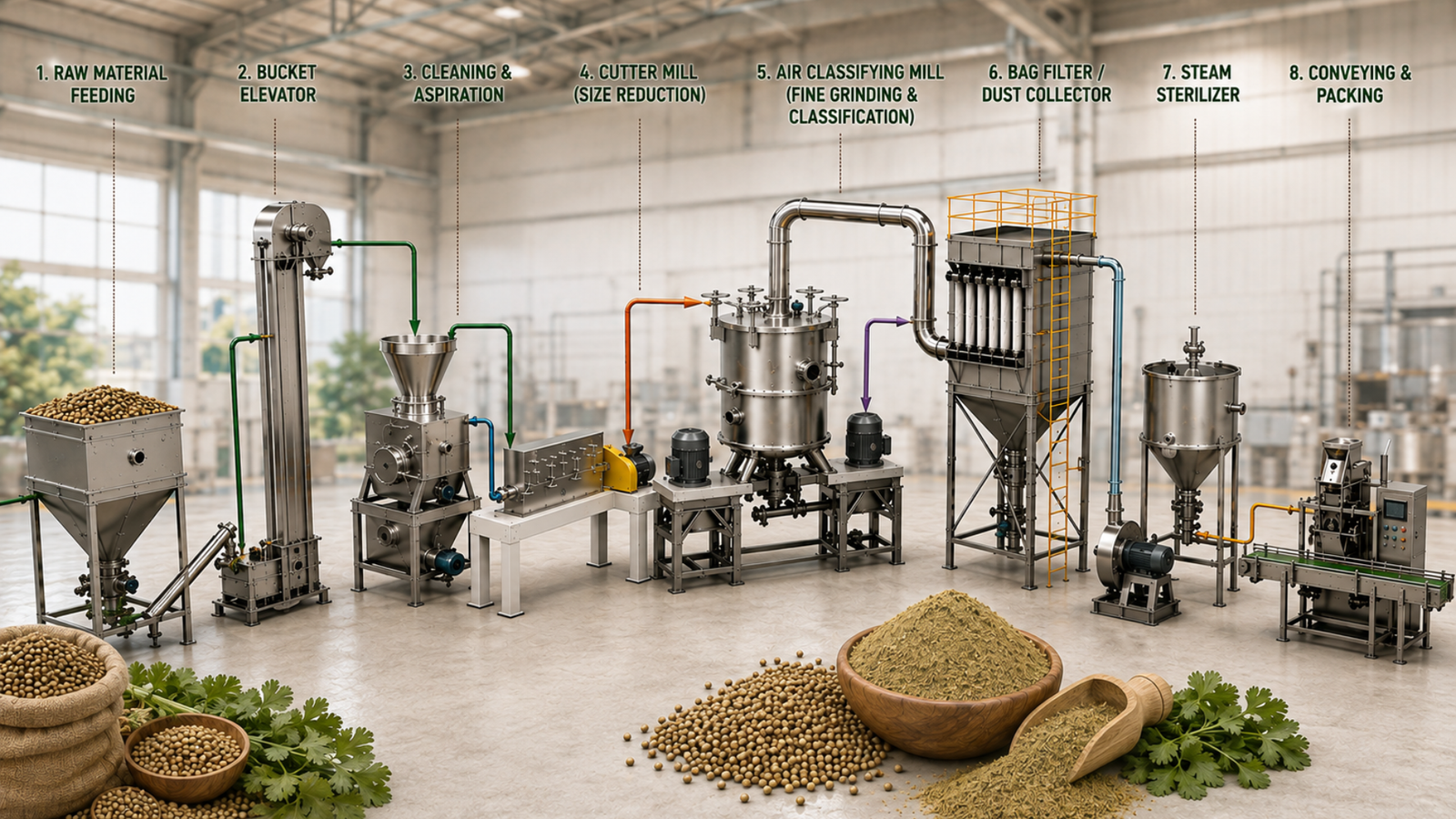
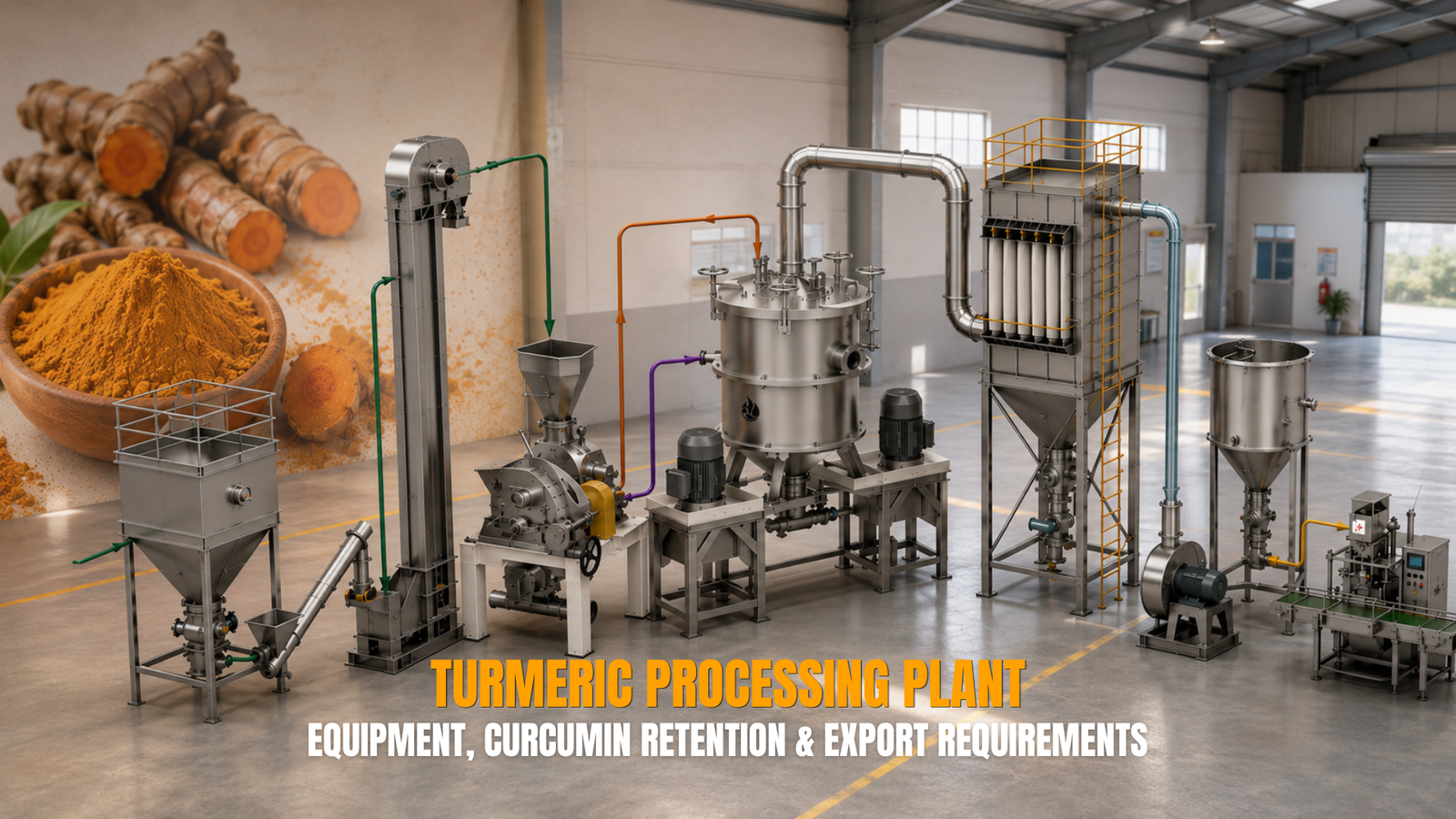
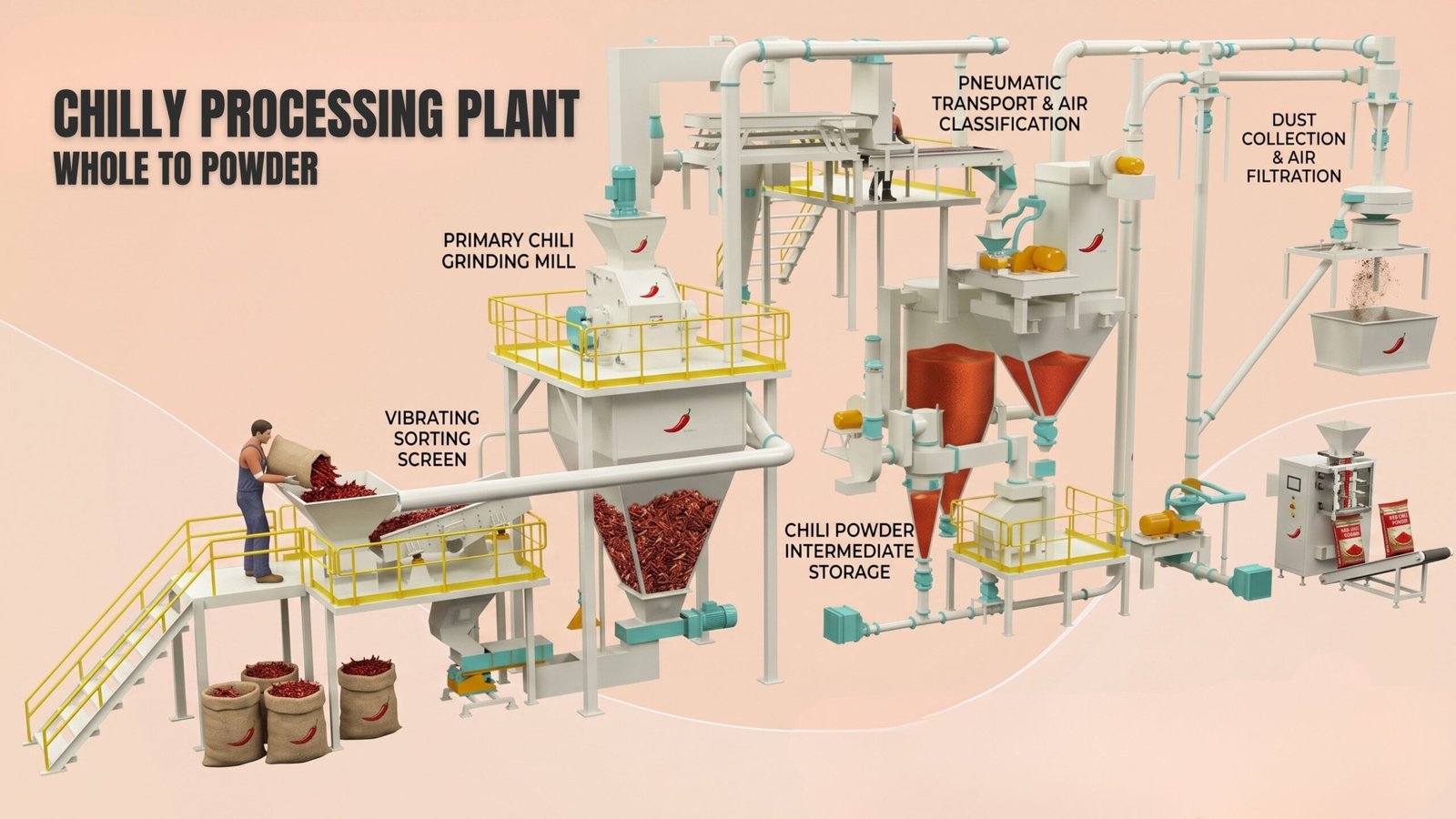
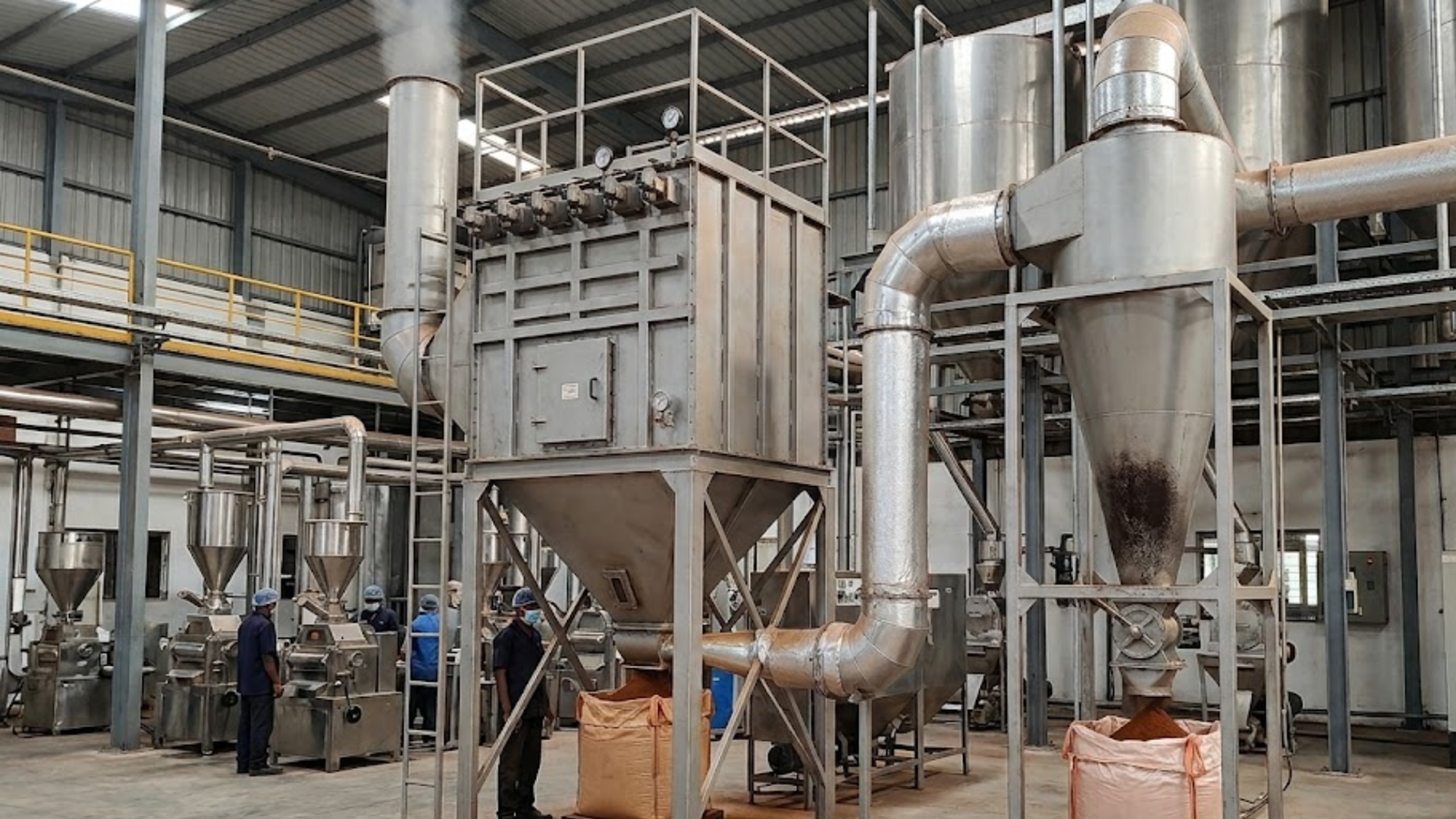
An integrated de-dusting system changes that arithmetic. A cyclone separates the larger particulates from the airflow using centrifugal force, dropping recoverable product back into the process instead of into the atmosphere. A bag filter then captures the fine particulates that the cyclone doesn’t, with pulse-jet cleaning keeping the filter media clear so the system runs continuously rather than choking up. Together, they convert a steady stream of lost product into recovered material — and that recovery is what makes the economic case close so quickly.
Dust is a contamination and quality problem, not just a loss
Yield is only the first cost. Airborne spice dust settles everywhere, and in a food processing environment that creates a contamination pathway that undermines everything else you’re doing to keep product clean.
Cross-contamination is the obvious risk. Fine powder from one product drifting onto another compromises the integrity of both — a serious concern for any processor handling multiple spices, allergens, or grades on the same floor. Settled dust on equipment, surfaces, and packing areas also re-introduces material onto finished product at the very last step, undoing the hygiene maintained upstream. For processors serving export markets or buyers with strict quality requirements, this is not a detail; it’s the difference between an order accepted and an order rejected.
There’s a process-quality angle too. The same airflow management that controls dust also supports consistent processing conditions. Capturing fines at the source keeps the working environment around the mill and classifier cleaner and more stable, which contributes to the overall consistency of the line. Dust-free processing and product quality are not separate goals — they’re the same goal approached from two directions.
The hidden energy tax: how dust loads your mill motors
This is the part of the de-dusting case that gets overlooked, and it matters for anyone focused on grinding efficiency improvement. Dust-laden air is not free to move. When fine particulate is allowed to build up in and around the grinding and conveying system, it adds load. Airflow paths get partially obstructed, the system has to work against a dirtier, denser air stream, and that resistance shows up as additional energy drawn by motors and fans for no additional output.
A mill operating in a poorly de-dusted environment is, in effect, fighting its own waste. Proper extraction and filtration keep airflow paths clear, which lets the grinding system breathe and operate in the condition it was designed for. The result is a measurable contribution to milling efficiency — the mill spends its energy on size reduction, not on pushing through a clogged, dust-heavy environment. When you’re looking to improve milling efficiency and reduce processing cost, the de-dusting system is part of that equation, even though it sits to the side of the main process flow.
This is why effective dust control is best designed in tandem with airflow management. Advanced air-flow management and high filtration efficiency aren’t just filtration features — they protect the energy efficiency of the entire line.
Worker safety and compliance are non-negotiable
Beyond product and energy, there is the workforce. Persistent airborne spice dust is a respiratory hazard for operators, and several spice dusts are also combustible, which introduces a genuine safety consideration in any enclosed processing area. Keeping dust below problematic levels is a basic duty of care, and it’s increasingly a regulatory expectation rather than a voluntary good practice.
A well-designed de-dusting system protects the people on the floor at the same time as it protects the product and the equipment. The same bag filter and cyclone arrangement that recovers your lost material is also maintaining a cleaner, safer, more compliant working environment — which is one of the reasons the investment is so easy to justify. It pays back on multiple ledgers at once: yield, energy, quality, and safety.
Why integrated beats bolted-on
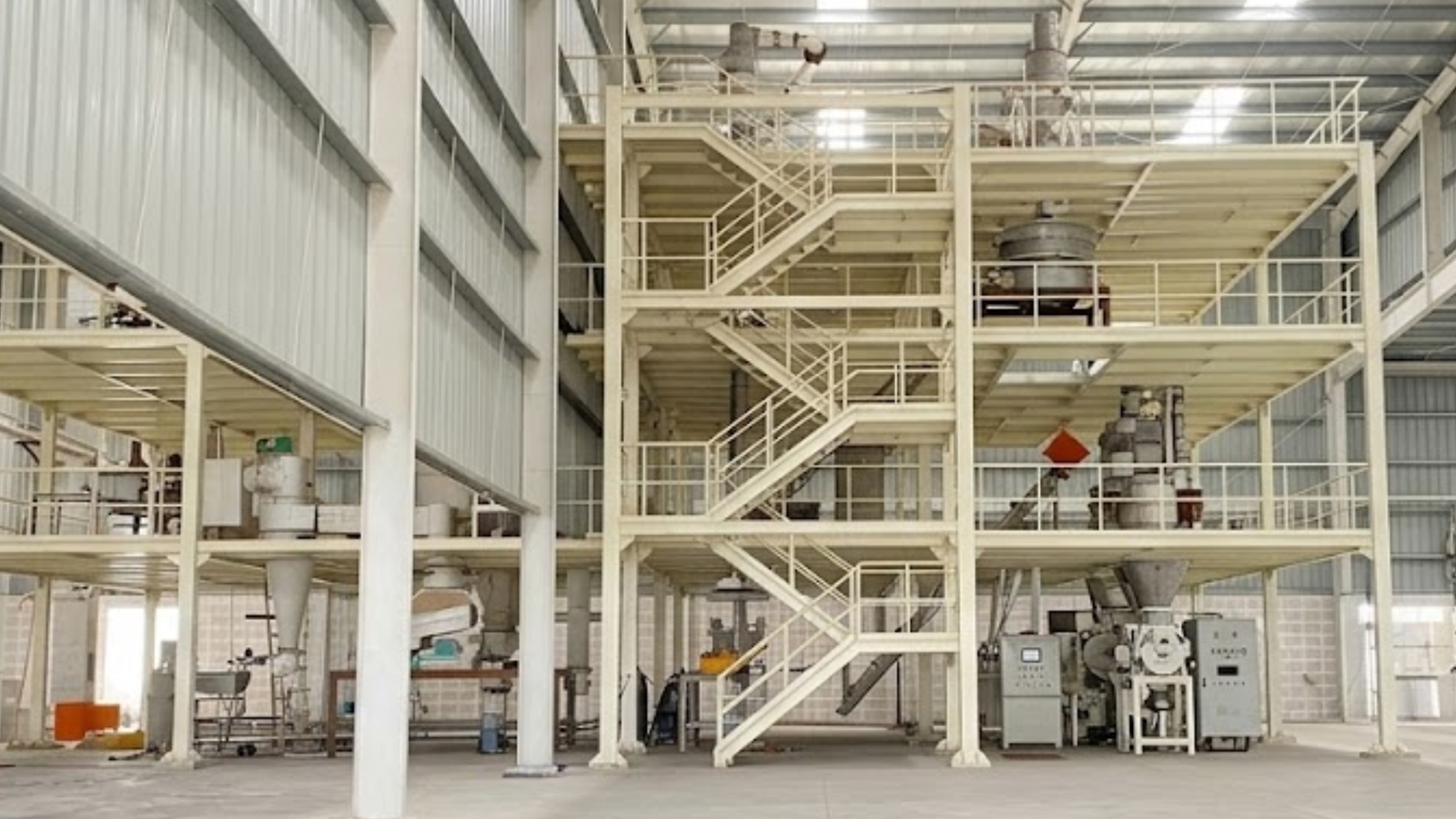
Many plants treat dust control as something added later — a filter retrofitted near the dustiest machine once the problem becomes impossible to ignore. That approach captures a fraction of the benefit. Dust is generated across the line: at size reduction, at classification, at transfer points, and at packing. Controlling it at only one point leaves the rest uncontrolled.
This is where plant layout optimization and de-dusting intersect. When extraction points are designed into the line — positioned where dust is actually generated and tied into a properly sized cyclone and bag filter — the system captures material at the source rather than chasing it after it’s already dispersed. Designing de-dusting alongside the process flow, rather than around it, is what delivers the full de-dusting benefits: maximum recovery, cleaner air throughout, and protected airflow for the mills.
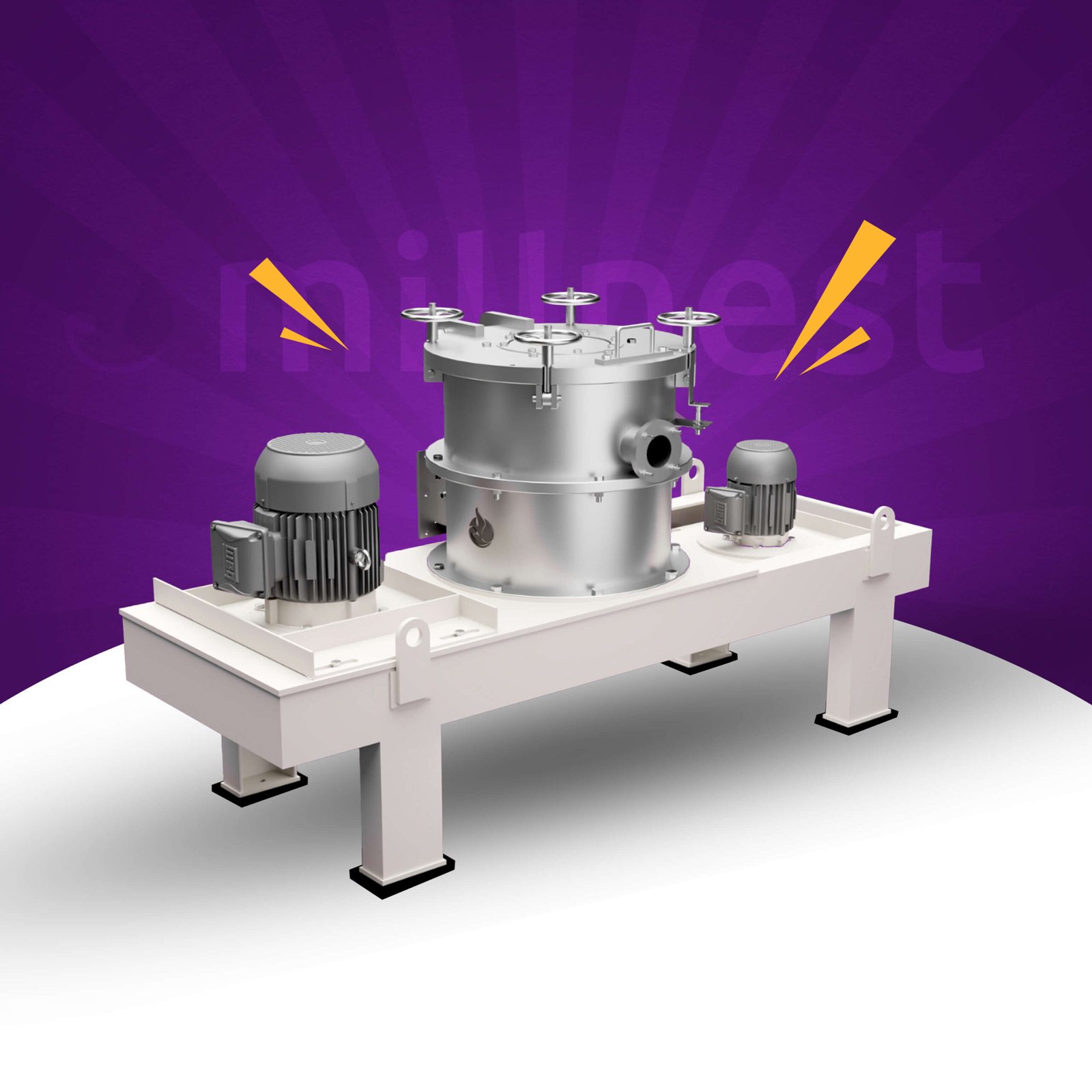
The good news for existing plants is that a well-engineered de-dusting system can be specified to suit the layout you already have. The MillNest bag filter and cyclone system is built around the features that make this practical: pulse-jet cleaning for continuous operation, high filtration efficiency, advanced airflow management, and a compact, durable, versatile design that fits a range of applications. It functions as a plug-and-play upgrade — engineered to slot into your line and start recovering product and protecting your equipment without rebuilding the plant.
De-dusting is one of those upgrades that looks like a cost and behaves like a return. It recovers product you’re currently losing, protects against contamination and rejected orders, keeps your mills running at their intended efficiency rather than fighting dust-laden air, and keeps your workforce safe and your plant compliant. Each of those alone is a reasonable argument. Together, they make dust-free processing one of the clearest engineering decisions in a spice plant.
If your plant still treats dust as an unavoidable cost of doing business, it’s worth running the numbers on what that dust is actually costing you — in lost material, wasted energy, and exposure to quality and safety risk. The figure tends to be persuasive.
Book a De-Dusting Consultation with MillNest.
We’ll assess your line, identify where dust is costing you most, and recommend an integrated bag filter and cyclone solution sized to your plant.
Reach us at enquiry@millnest.com or +91 73300 00173.