
- Home /
- Process Solutions /
- Material Handling & Conveying
Material Handling & Conveying Solutions
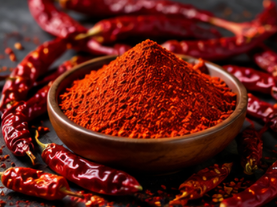
Chilli & Spice Powders
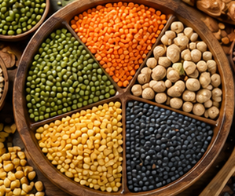
Grains & Cereals

Herbs & Botanicals
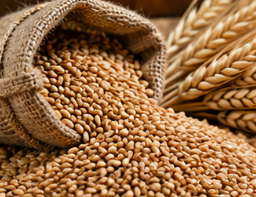
Pulses & Lentils
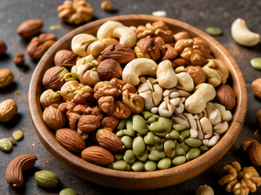
Seeds
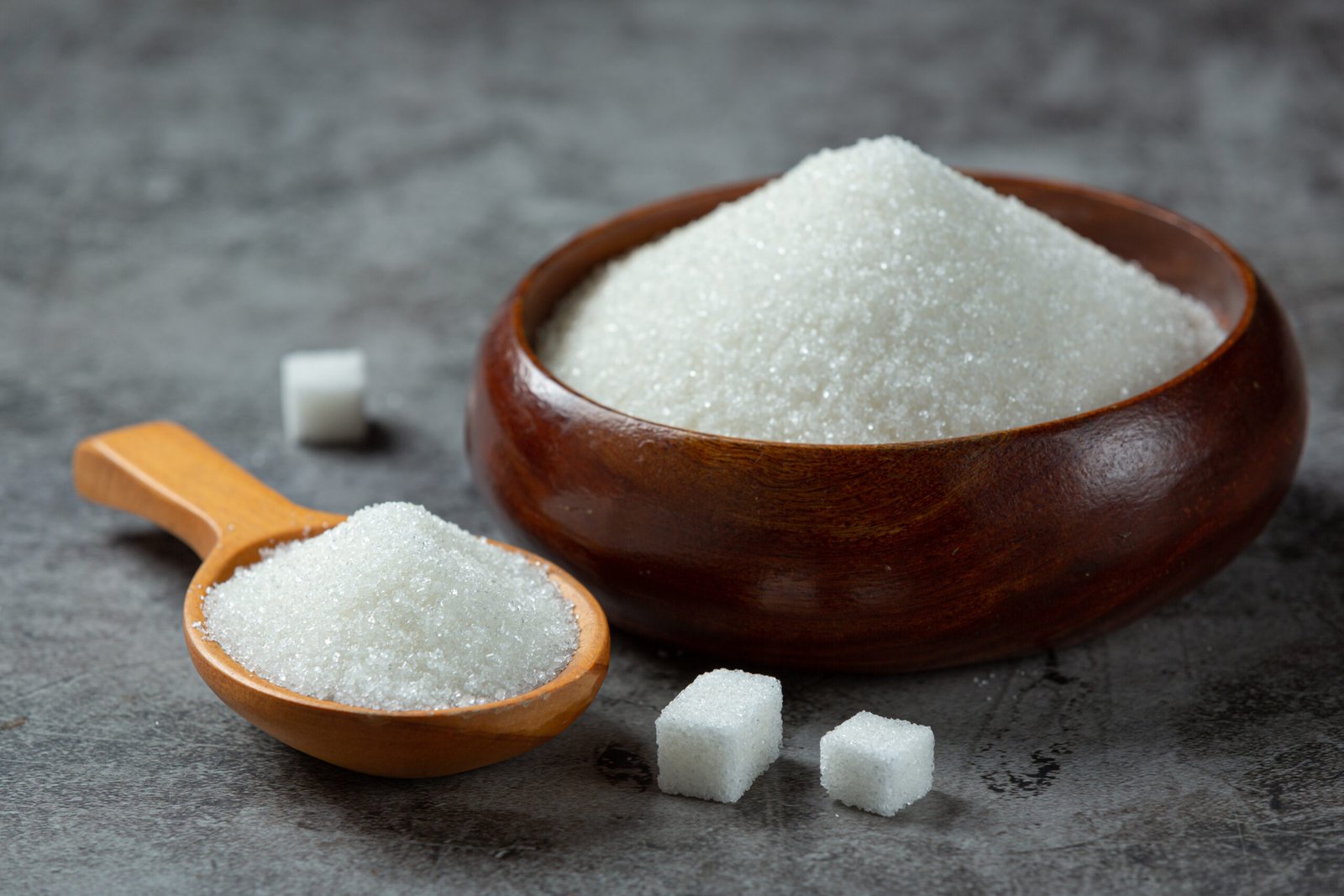
Sugar & Salt

Chemical Powders
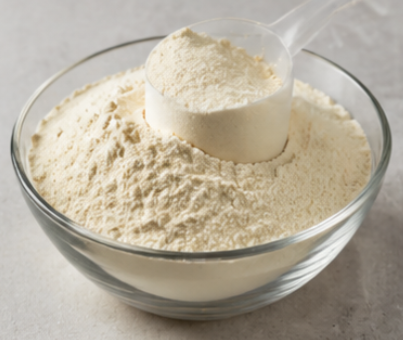
Milk Powder
Manual Handling & Operator Exposure
Manual powder scooping and bag transfer creates operator exposure to fine dusts, ergonomic risk and inconsistent feed rates. Enclosed mechanical or pneumatic conveying removes operators from the material path entirely.
Dusty Transfer & Product Loss
Open chutes, gravity drops and poorly sealed transfers generate dust clouds that reduce yield, create fire and explosion risk, cause hygiene failures and increase cleaning time between batches.
Cross-Contamination Between Products
Shared conveying paths between product changeovers carry allergen and flavour transfer risk. Enclosed systems with complete cleanout, quick-release access and validated changeover procedures address this at the design stage.
Layout Constraints & Transfer Distance
Process stages in different rooms, on different floors or at long horizontal distances require conveying routes matched to plant geometry. Pneumatic, screw and bucket systems each suit different layout configurations.
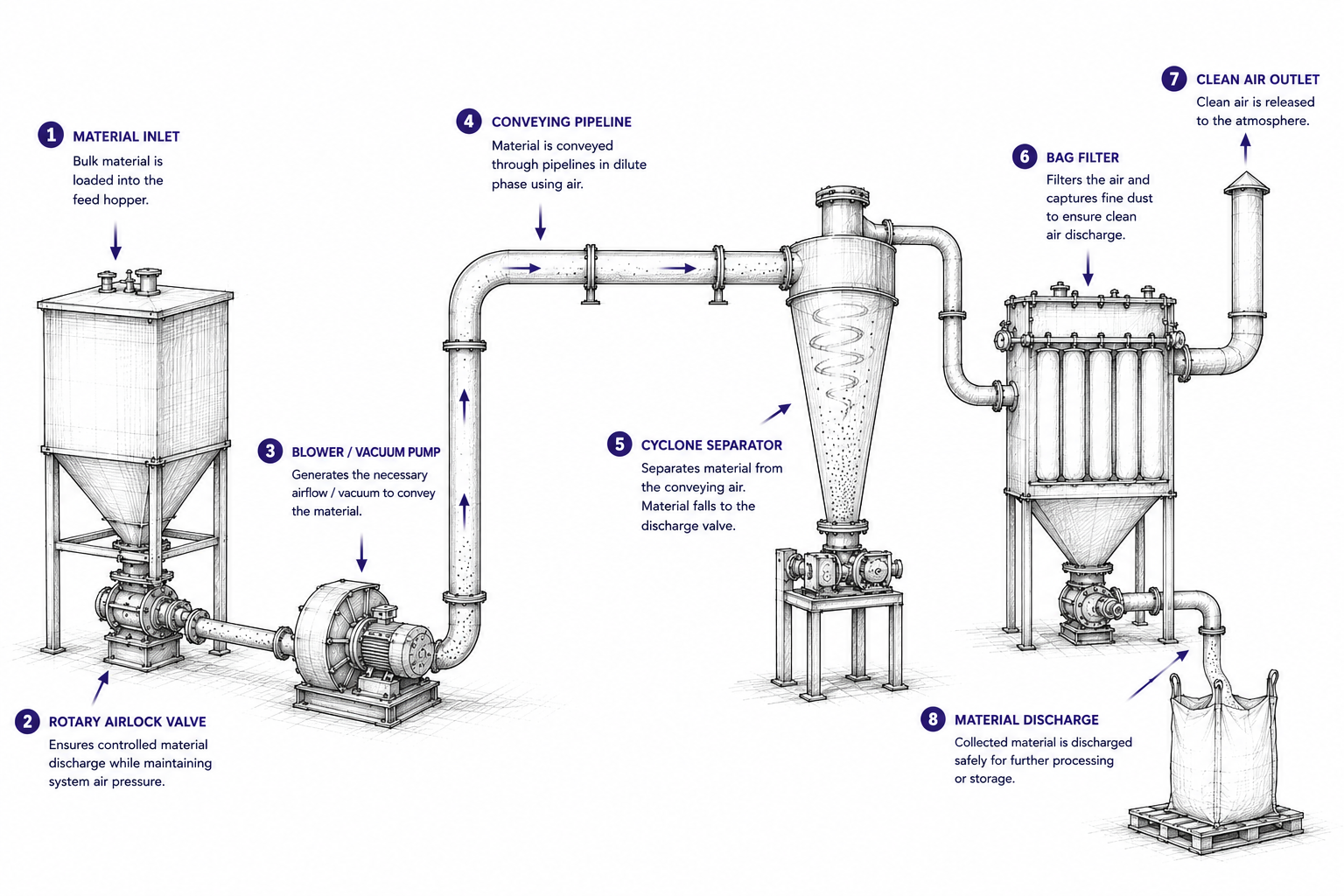
Pneumatic Conveying System
Long-distance enclosed powder transfer
Uses pressurised or vacuum air to transport powders and fine granules through sealed pipework over long distances, around corners and across multiple floors. Completely enclosed — no dust, no spillage, no operator contact. Dilute phase and dense phase configurations available based on material fragility and bulk density. Ideal for spice powders, pharma ingredients, instant mixes and nutraceutical powders between remote process stages or silos.
- Fine Powders
- Long Distance
- Multi-Floor
- Zero Spillage
- Dust Free
Screw Conveyor
Controlled horizontal & inclined transfer
Rotating helical screw moves material at controlled, consistent feed rate through a sealed trough — horizontally or at inclines up to 45°. Well-suited to cohesive, sticky or irregular-flowing materials that pneumatic systems handle poorly. Food-grade stainless steel construction with sealed housings and CIP-ready designs for allergen-controlled environments. Used widely for spice and masala plant inter-stage transfer, blender feeding and packing line supply.
- Vertical Lift
- Whole Spices
- Grains & Seeds
- High Capacity
Bucket Elevator
Vertical elevation of granules & seeds
- Vertical Lift
- Whole Spices
- Grains & Seeds
- High Capacity
Vibratory Feeder
Precise controlled feed rate into process equipment
- Controlled Feed Rate
- Fragile Granules
- Whole Spices
- Variable Speed
Material Flowability
Free-Flowing vs Cohesive
Free-flowing fine powders suit pneumatic systems. Cohesive, sticky or irregular-flowing materials need screw conveyors where mechanical push ensures reliable transfer at controlled rates.
Transfer Direction
Horizontal, Inclined or Vertical
Horizontal and inclined transfers suit screws and pneumatics. Vertical elevation over multiple floors is most energy-efficient with bucket elevators. Pneumatic handles all directions through pipework.
Particle Size
Fine Powder vs Coarse Granule
Fine powders transfer reliably in pneumatic systems. Coarser materials, whole spices and seeds may need bucket elevators or vibratory feeders to avoid attrition or pipework blockage.
Hygiene & Cleanability
Allergen Control & CIP
Multi-product facilities with allergen management requirements need conveying systems designed for complete cleanout, verified residue-free changeover and quick-release access throughout.
Quick Reference: Technology Summary
Engineering review required before final selection
| Technology | Best Suited For |
|---|---|
| Pneumatic Conveying | Fine powders, long distances, multi-floor, enclosed pipework — no spillage or dust |
| Screw Conveyor | Cohesive materials, controlled feed rate, horizontal & inclined up to 45°, food-grade SS |
| Bucket Elevator | Vertical elevation of granules, seeds, whole spices, grains — energy-efficient for height |
| Vibratory Feeder | Precise metered feed into mills, dryers or weighing systems — fragile or whole-form materials |
| Suitable Materials | Powders, granules, spices, grains, food ingredients, pharma and chemical powders |
| Construction | MS, SS 304 / SS 316 — food-grade and pharma-grade available across all types |
| Next Step | Submit material details or request a trial review |
Pulverizing & Milling
Controlled particle size reduction from coarse grinding to fine and ultrafine powder.
Mixing & Blending
Uniform distribution of powders, granules, spices and specialty formulations.
Drying & Cooling
Moisture reduction, stabilisation and temperature conditioning for free-flowing powders.
De-Dusting & Filtration
Dust capture, product recovery and cleaner work environments for powder lines.
Pasteurization & Sterilization
Natural steam HT-ST microbial control for spices, herbs, seeds and regulated ingredients.
Weighing & Batching
Accurate dosing, recipe control and batch traceability for multi-ingredient production.
Granulation & Cutting
Controlled cutting and flaking for fibrous, tough and irregular materials.
Waste Heat Recovery
Recover usable heat from process exhaust where technically viable to reduce energy costs.