
- Home /
- Process Solutions /
- Weighing & Batching
WEIGHING & BATCHING SOLUTIONS
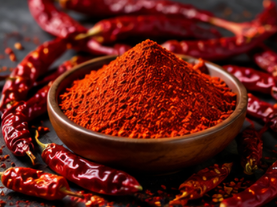
Spices & Seasonings
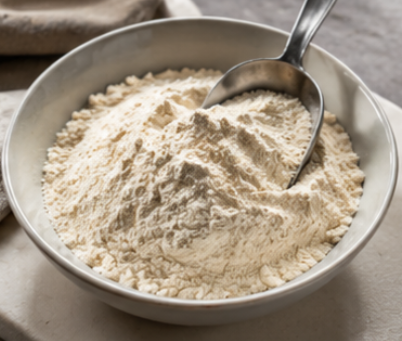
Flours & Starches
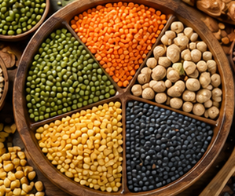
Grains & Pulses
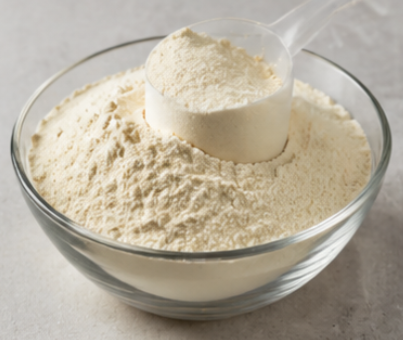
Milk Powder
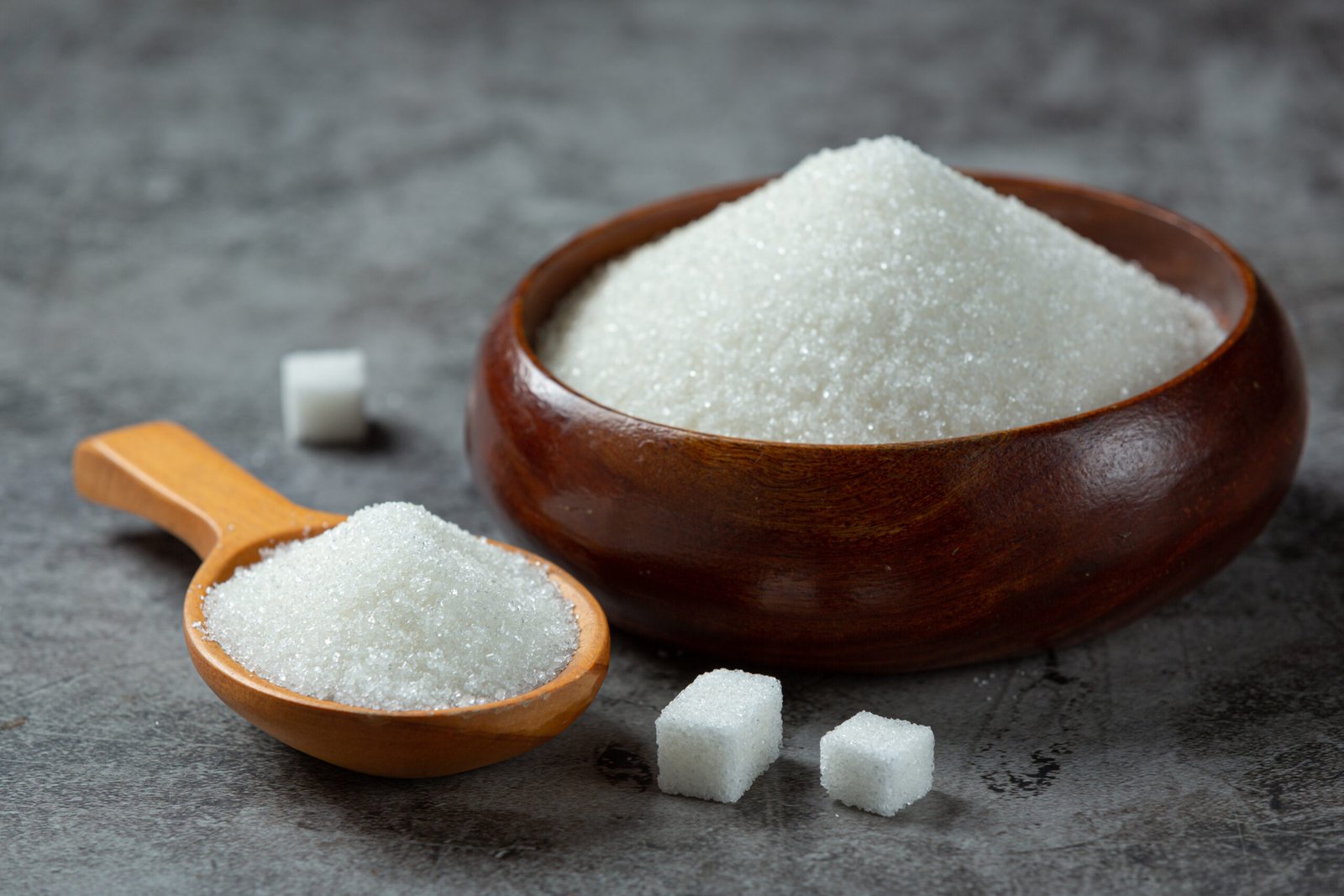
Sugar & Sweeteners
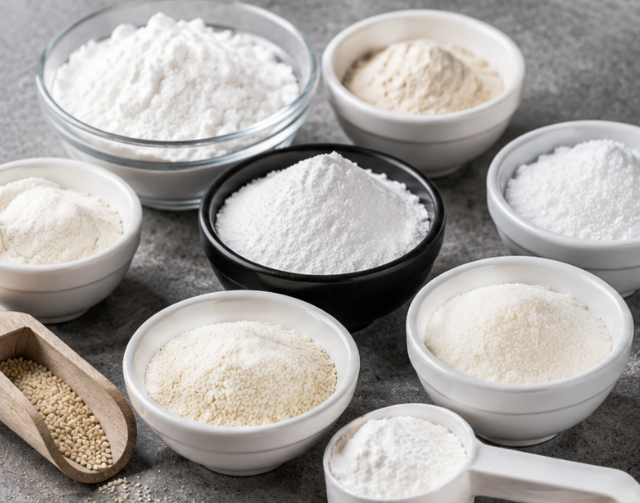
Food Additives

Pharmaceutical Ingredients

Chemical Powders
Dosing Inaccuracy on Free-Flowing Powders
Fast-flowing spice and food powders are difficult to dose accurately by volume. Minor overshoot during gravity filling throws a recipe off-spec without any indication to the operator. Load-cell-based weighing with cut-off control is the only reliable answer for high-throughput lines.
Trace-Level Ingredients Getting Lost in Manual Handling
Micronutrients, flavour enhancers and active pharmaceutical ingredients dosed in grams per batch require dedicated precision scales and controlled addition — not a ladle from a bag. Manual trace addition is the most common source of recipe deviation on multi-ingredient lines.
No Traceability When Something Goes Wrong
Without batch records, a quality complaint becomes an investigation that can consume a week. FSSAI, BRC and GMP audits all require documented lot-level traceability. Paper-based batch records introduce transcription errors — electronic batch recording at the weighing stage eliminates this.
Recipe Changeover Mistakes in Multi-SKU Production
Running 20 or 30 masala recipes on the same line creates real opportunity for operators to pull the wrong ingredient or use the previous recipe quantities. Recipe management systems that lock the batch sequence and prompt for each addition reduce changeover errors significantly.
The right configuration depends on production volume, ingredient count, required accuracy and whether the line runs a single product or multiple recipes. Most facilities need more than one approach across different ingredient tiers.
Operator-Guided Batching Station
Guided weighing with error prevention
Operator-guided system where a display prompts for each ingredient in sequence, shows target weight, confirms when within tolerance and prevents moving to the next ingredient until the current one is verified. Significantly reduces recipe errors on multi-SKU lines without the capital of full automation. Suitable for small to medium production volumes where operator involvement is acceptable and recipe discipline is the primary need.
- SME & Mid-Scale
- Multi-Recipe
- Operator-Guided
- Low CapEx
Loss-in-Weight Dosing System
Accurate continuous ingredient metering
The feeder and its hopper sit on load cells — as material is discharged, the system measures the rate of weight loss and adjusts feeder speed to maintain the target feed rate in real time. Handles free-flowing and slightly cohesive powders with high accuracy over extended production runs. Particularly suited to continuous blending lines where ingredients feed simultaneously rather than in batch sequence, and where flow rate consistency directly impacts blend uniformity.
- Continuous Lines
- High Accuracy
- Real-Time Control
- Flow-Controlled
Automated Weigh Hopper System
Sequential automated weighing into accumulation hopper
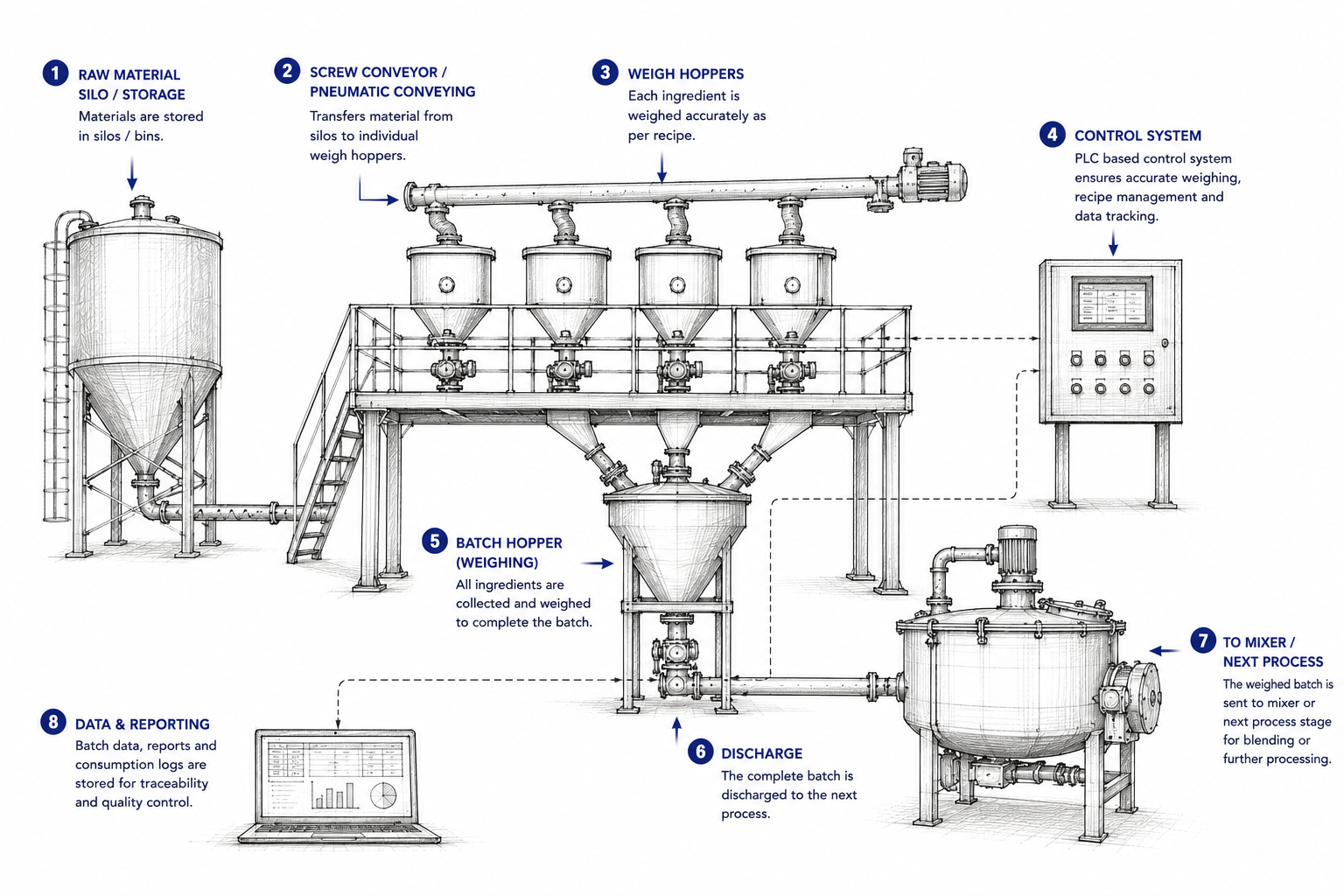
Each ingredient is dosed sequentially into a weigh hopper on load cells — the system opens and closes feed valves automatically to hit target weight with coarse and fine feed phases. When all ingredients are verified, the complete batch discharges to the blender. Suitable for high-throughput multi-ingredient batch lines where full automation is required, batch cycle time is a priority and human intervention in the dosing sequence needs to be eliminated for allergen or GMP compliance.
- Batch Production
- Automated
- Sequential Dosing
- High Throughput
Precision Micro-Dosing Station
Gram-level accuracy for trace additions
Standard batch weighing systems are not appropriate for ingredients dosed in grams per hundred-kilogram batch — the resolution of a bulk weigh hopper is simply too coarse. Dedicated micro-dosing stations with high-resolution load cells, slow-feed augers and dust-contained addition points handle active ingredients, micronutrients, flavour compounds and pharmaceutical actives at trace levels. Integrated with the batch management system so micro-dose completion is verified before the batch proceeds.
- Trace Ingredients
- Pharma & Nutra
- High Precision
- Gram-Level
Most production lines need more than one weighing approach — major ingredients automated, trace-level ingredients on a dedicated precision station. The right design comes from understanding the full recipe structure.
Production Scale
Volume & Batch Frequency
High-throughput continuous lines suit loss-in-weight systems. Batch-mode production with multiple recipes per shift suits guided or automated weigh hopper configurations.
Recipe Complexity
Ingredient Count & Range
Recipes with a wide range of ingredient quantities — from kilograms to grams — typically need two systems: a weigh hopper for bulk components and a micro-dosing station for trace additions.
Compliance Requirement
FSSAI, BRC, GMP
FSSAI and BRC require documented batch records. Pharma GMP mandates electronic batch records with operator verification at each step. System choice needs to meet the compliance standard from day one.
Allergen Control
Multi-Product Changeover
Facilities running allergen-containing recipes need recipe lock-out, changeover verification and batch records that confirm correct ingredients were used — not corrected after the fact.
Quick Reference: Solution Summary
Engineering review required before final selection
| Parameter | Details |
|---|---|
| System Types | Manual guided, loss-in-weight, automated weigh hopper, micro-dosing station |
| Dosing Accuracy | ±0.1% on major components — ±1g resolution on micro-dosing stations |
| Recipe Management | Multi-SKU recipe library, operator-guided sequence, batch lock-out |
| Batch Traceability | Electronic batch records — ingredient, lot number, weight, operator, time |
| Compliance | FSSAI, BRC, GMP — documentation structure matched to standard |
| Integration | Connected to blending, conveying and packing stages in the complete line |
| Suitable Industries | Food, spice, pharma, nutraceutical, chemical, fertilizer |
| Next Step | Submit recipe structure and compliance requirement for system design review |
Pulverizing & Milling
Controlled particle size reduction from coarse grinding to fine and ultrafine powder.
Mixing & Blending
Uniform distribution of powders, granules, spices and specialty formulations.
Drying & Cooling
Moisture reduction, stabilisation and temperature conditioning for free-flowing powders.
De-Dusting & Filtration
Dust capture, product recovery and cleaner work environments for powder lines.
Material Handling & Conveying
Enclosed, hygienic transfer of powders and granules between process stages.
Pasteurization & Sterilization
Natural steam HT-ST microbial control for spices, herbs, seeds and regulated ingredients.
Granulation & Cutting
Controlled cutting and flaking for fibrous, tough and irregular materials.
Waste Heat Recovery
Recover usable heat from process exhaust where technically viable to reduce energy costs.