Setting up a chilli processing plant is not simply a matter of buying a grinder. Red chilli is one of the more demanding spices to process well, and the difference between a line that produces commodity powder and one that produces export-grade powder lies in how the whole plant is designed — equipment selection, line layout, dust control, sterilisation and compliance, all considered together. This guide walks through what a complete chilli grinding plant involves and how to design one that holds its specification, batch after batch.
The chilli processing line, stage by stage
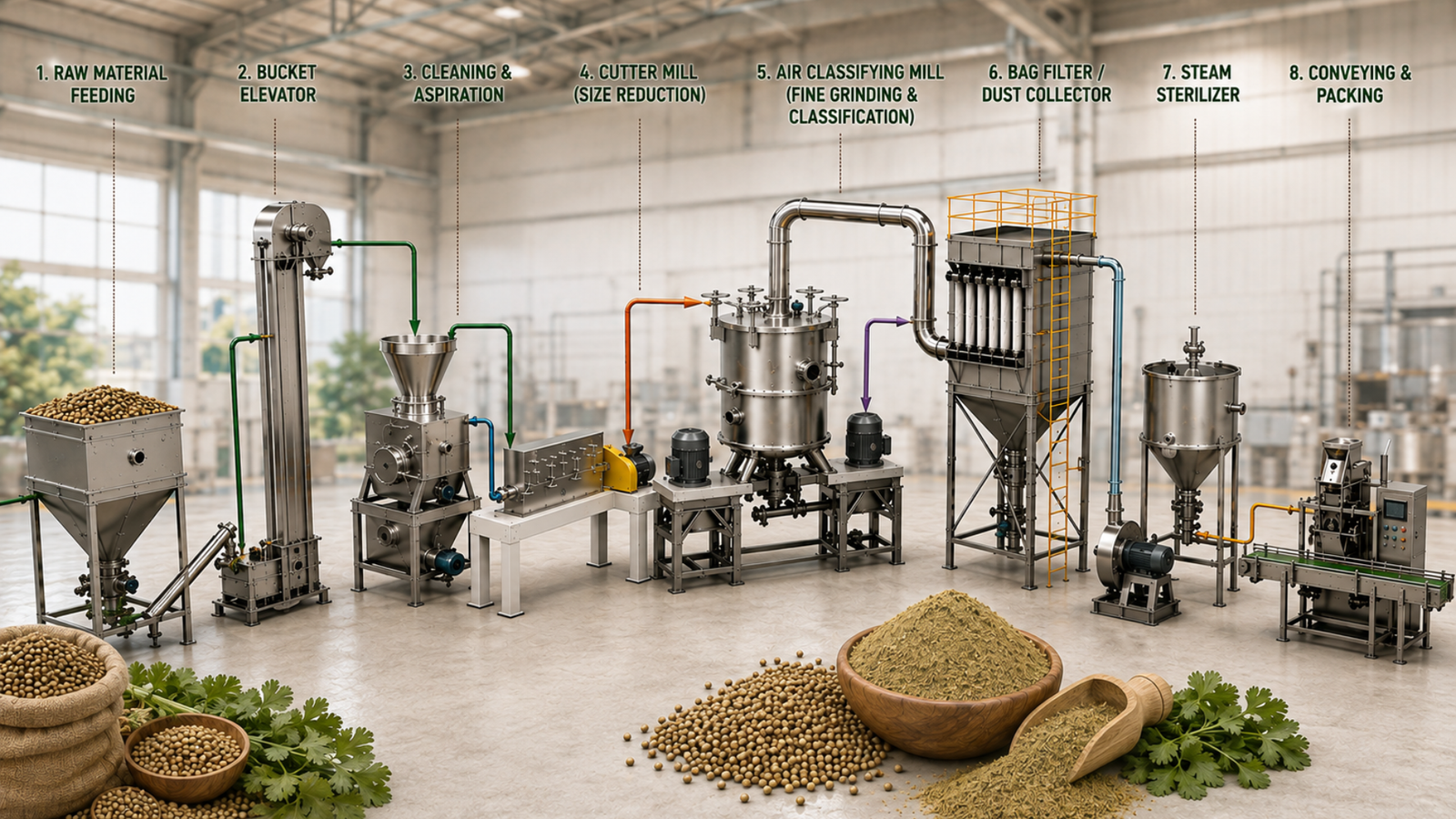
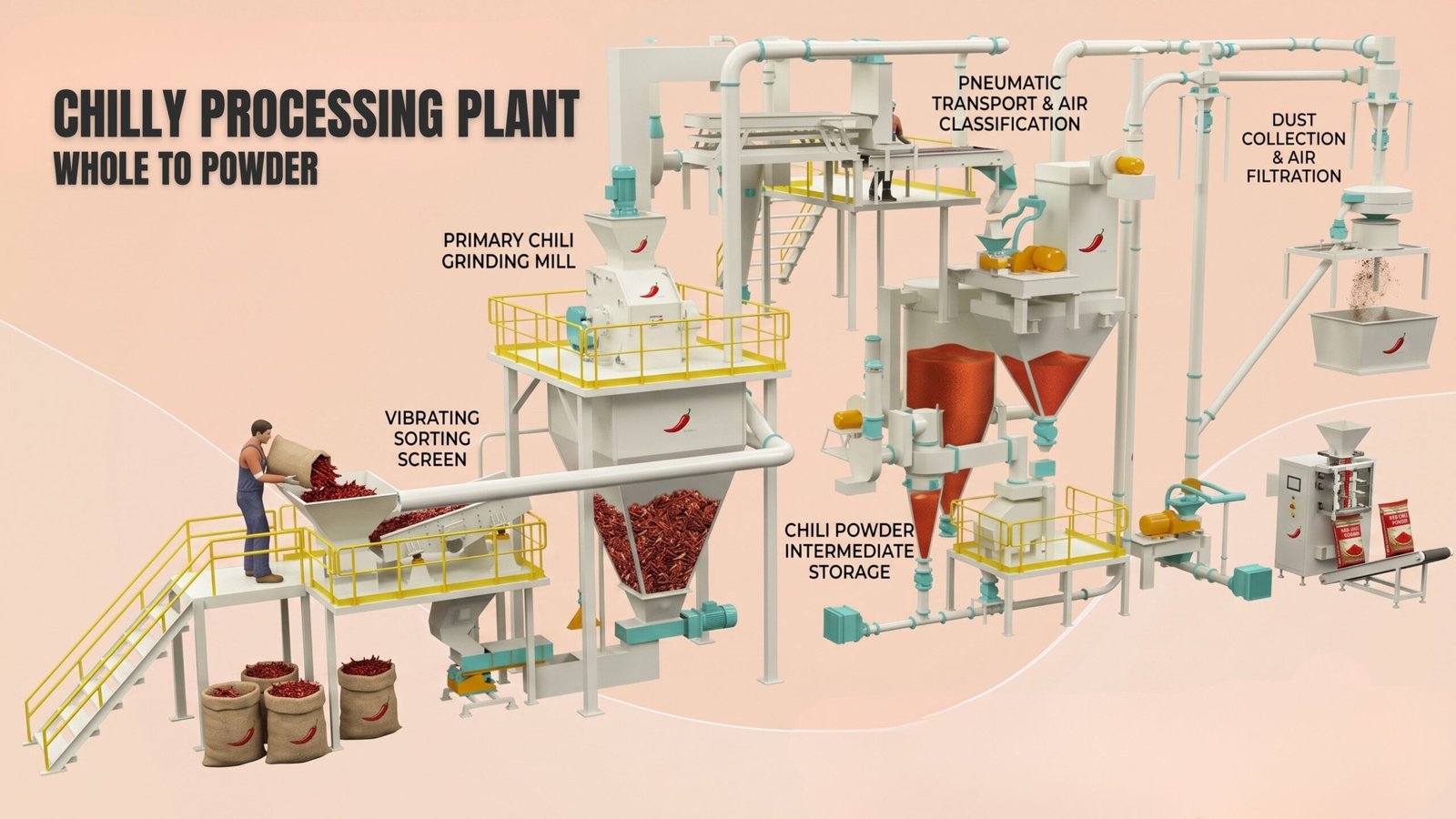
A well-designed chilli line is a sequence of stages, each preparing the material for the next. Skipping or under-specifying any one of them shows up downstream as lost colour, contamination or inconsistent powder.
Cleaning and grading: Incoming dried chilli carries stones, stems, dust and foreign matter. These are removed first, by destoning and screening, so that nothing damaging reaches the mills. Colour sorting can also be used here to lift out discoloured or mould-damaged pods that would pull down the value of the finished powder.
Deseeding and pre-breaking: Whole sun-dried chilli should not go straight into a fine mill. A cutter mill opens and sizes the pod, and deseeding at this stage lets the processor control the balance of heat and pungency in the final product. Just as importantly, a clean, consistently sized feed protects every machine downstream from unnecessary wear and heat.
Milling to size: This is the heart of the chilli powder making machine line, and the choice of mill depends on the grade. A hammer mill delivers high throughput and coarse-to-medium powder; an air classifier mill takes the material ultra-fine with tight particle size and far less risk of screen blinding. Many plants run both in sequence.
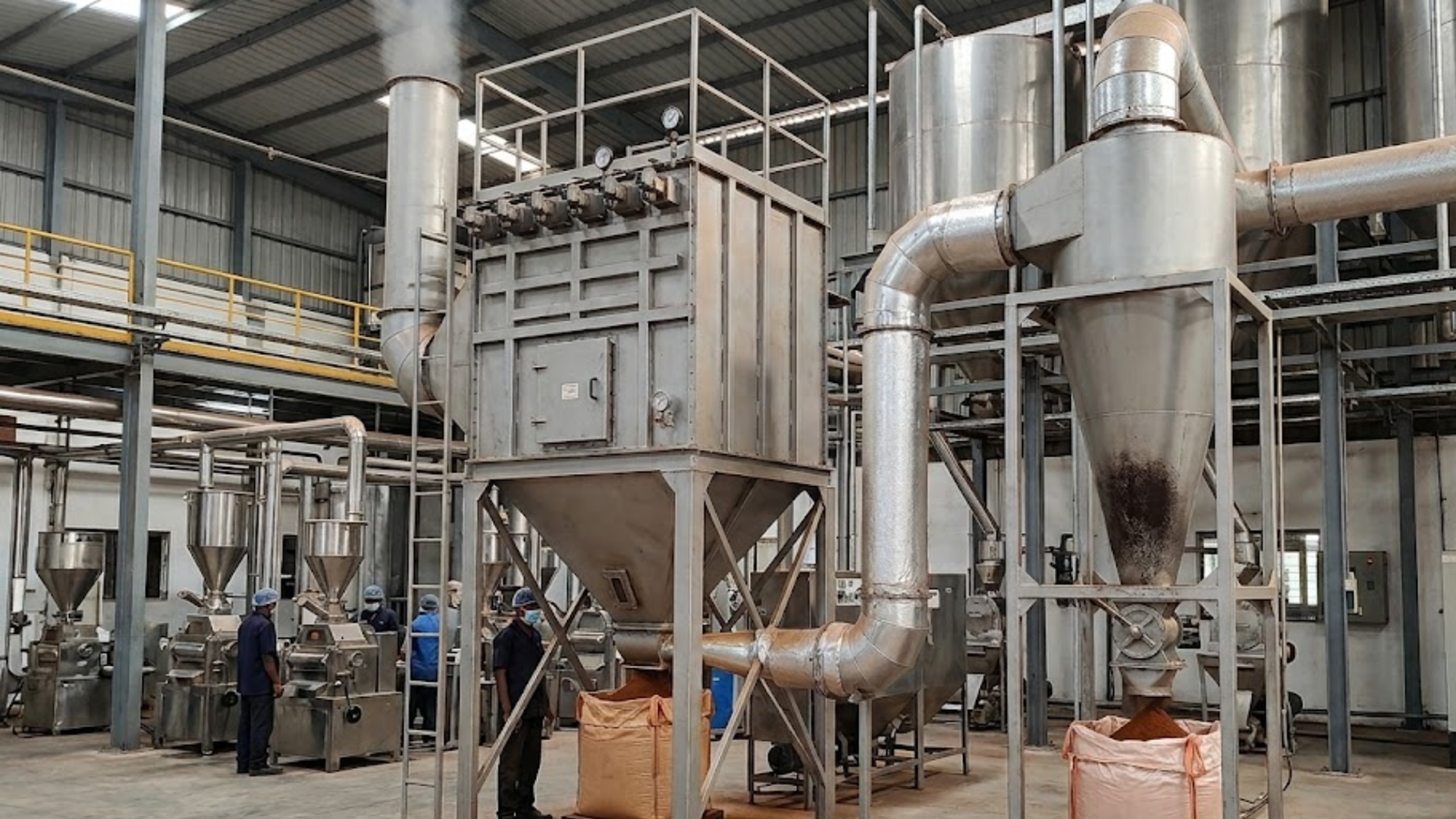
De-dusting: Chilli grinding generates capsaicin dust, which is both a worker-safety hazard and lost product. A cyclone plus a pulse-jet bag filter captures it, keeping the air clean and recovering material that would otherwise be lost.
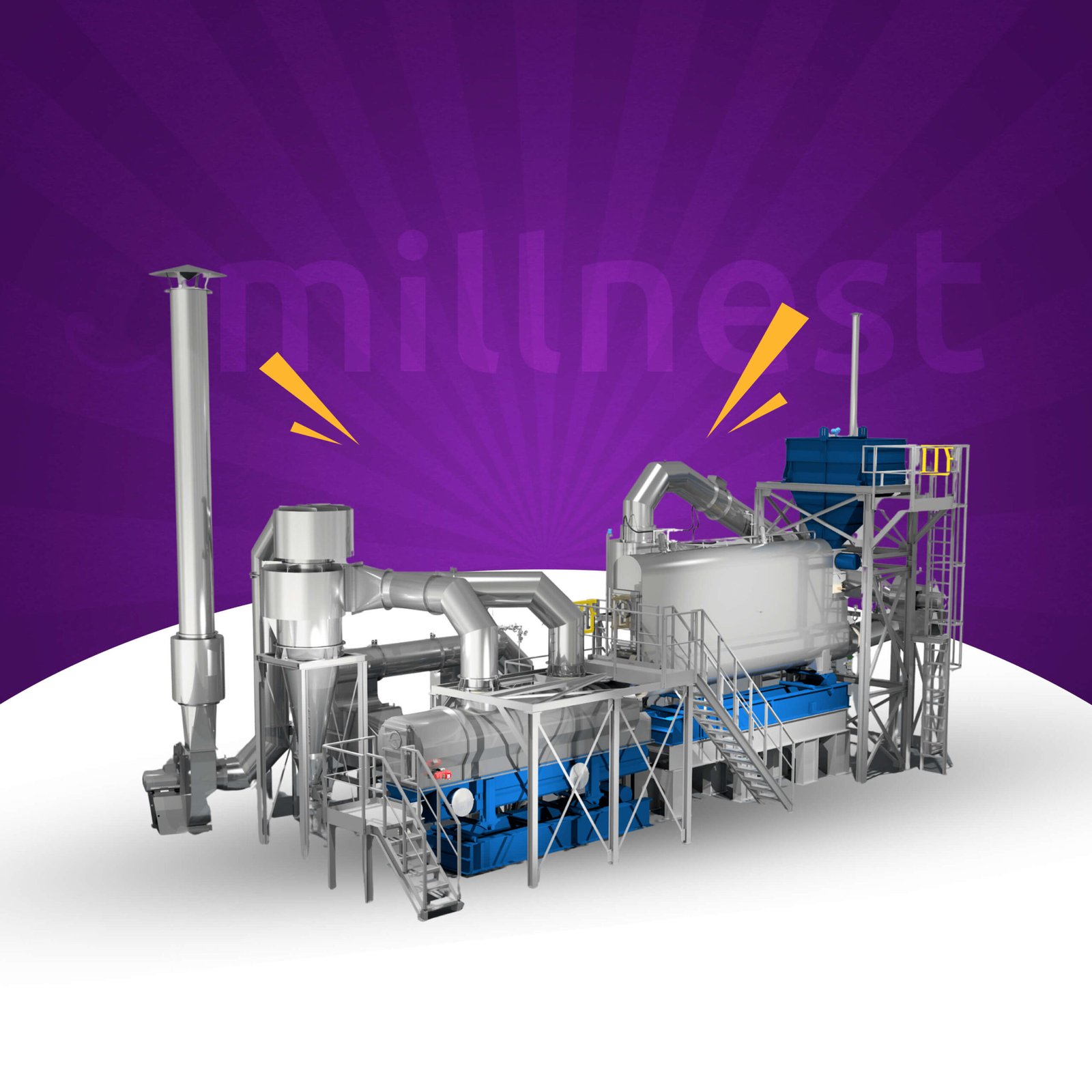
Sterilisation: For export and for any buyer with a microbial specification, the chilli must be decontaminated. Natural-steam HT-ST sterilisation treats the product at 102–122°C for 20–40 seconds, achieving microbial reduction up to log 6 without chemicals.
Sifting and packing: A final sift confirms the powder is on mesh, metal detection guards against contamination, and the product is packed promptly to protect colour and aroma.
Choosing the right equipment
The mills are where most of the design decisions concentrate, so it is worth being clear about what each one is for in a chilli context.
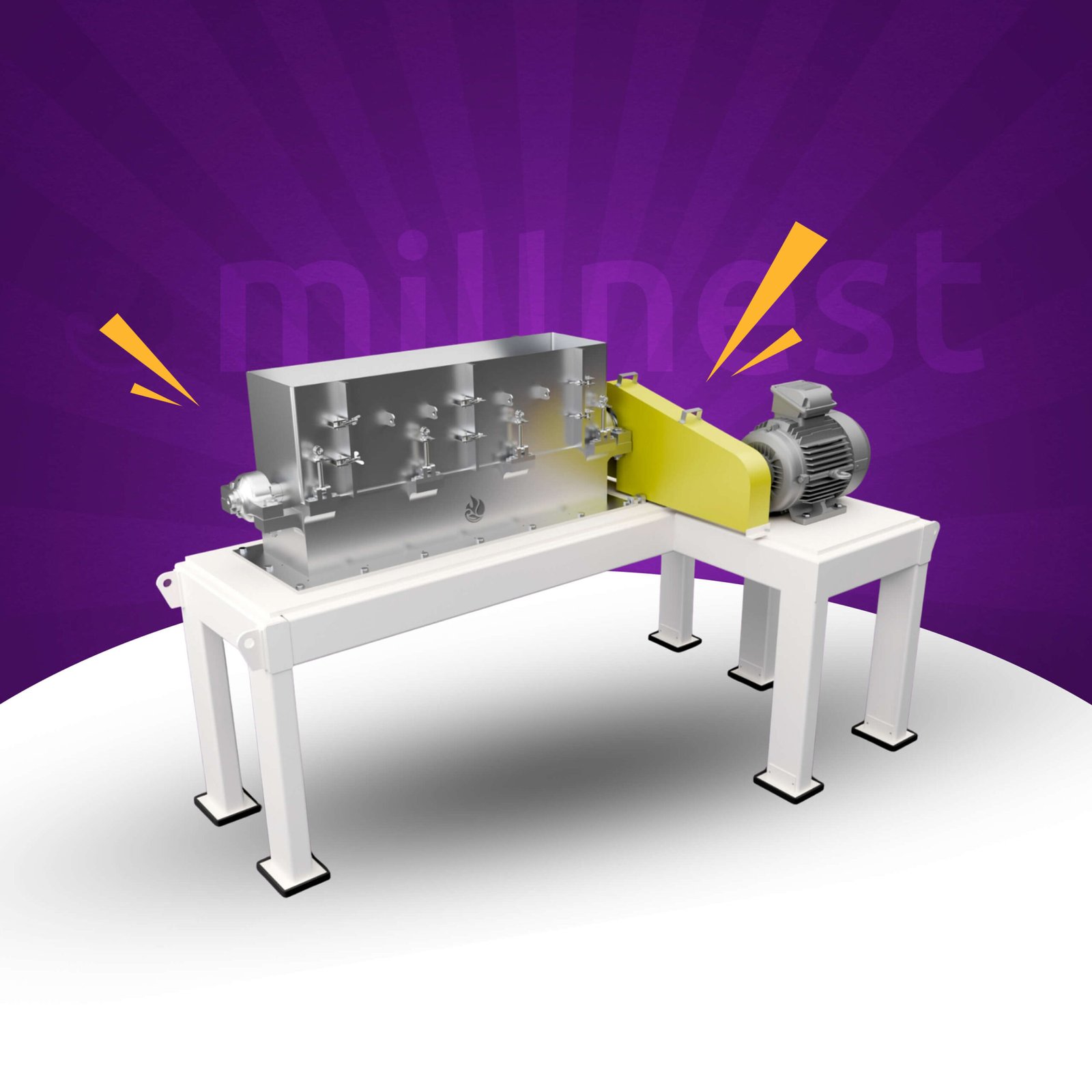
Cutter mill for chilli: The cutter mill is the front end. It pre-breaks whole pods and handles deseeding, turning irregular dried chilli into a consistent feed. It is also the right tool for chilli flakes, where a coarse, controlled cut is wanted rather than fine powder. (Equipment detail: see the Cutter Mill page.)
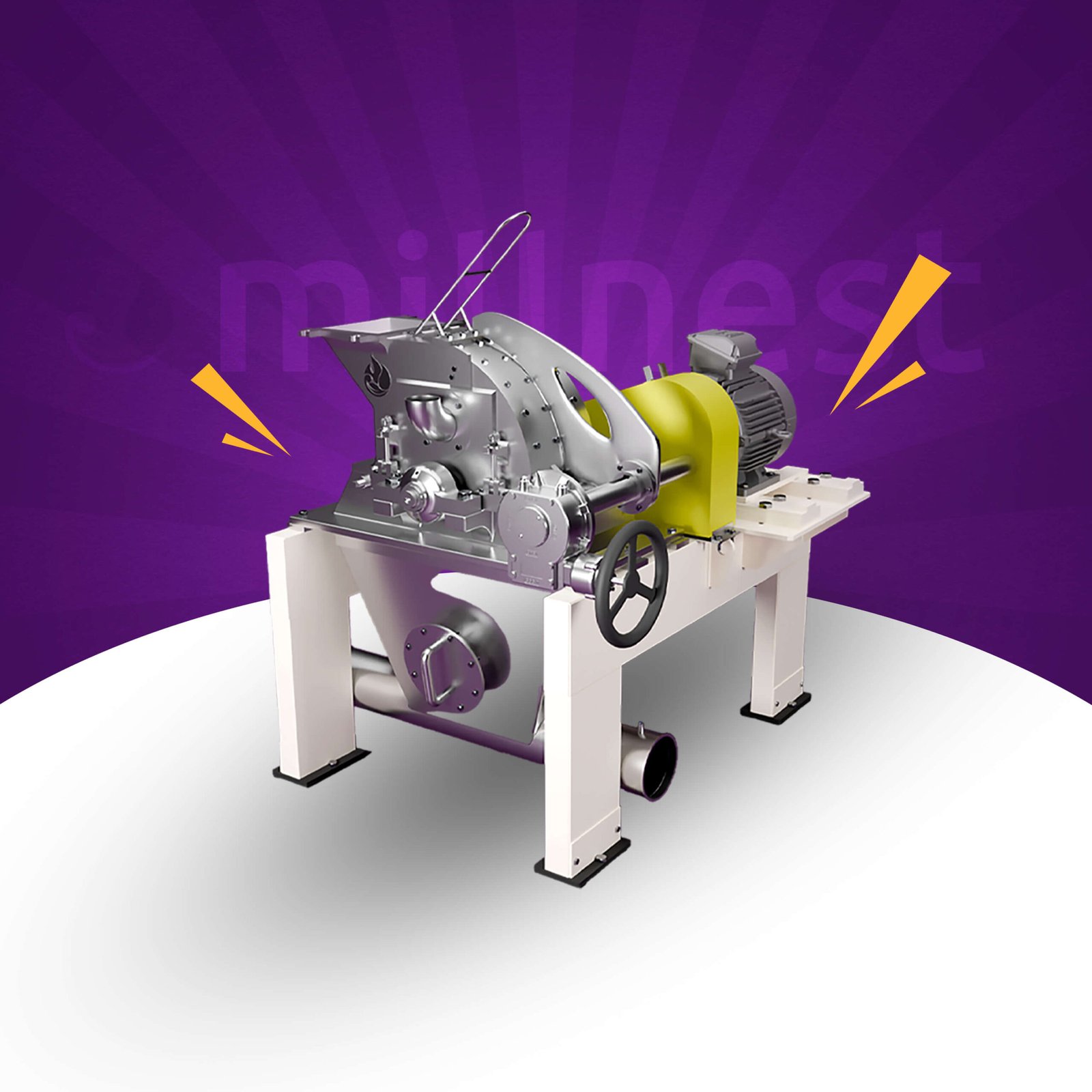
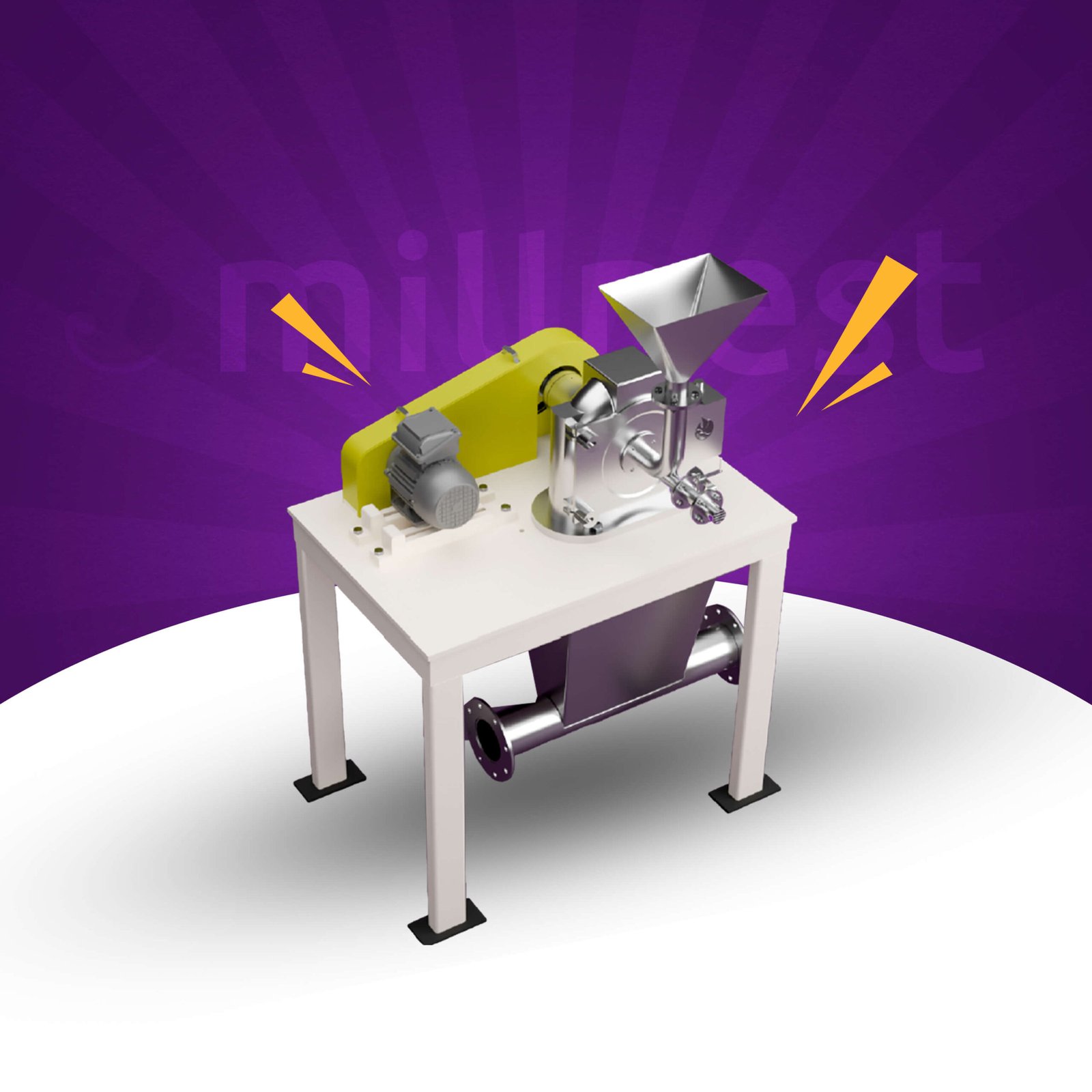
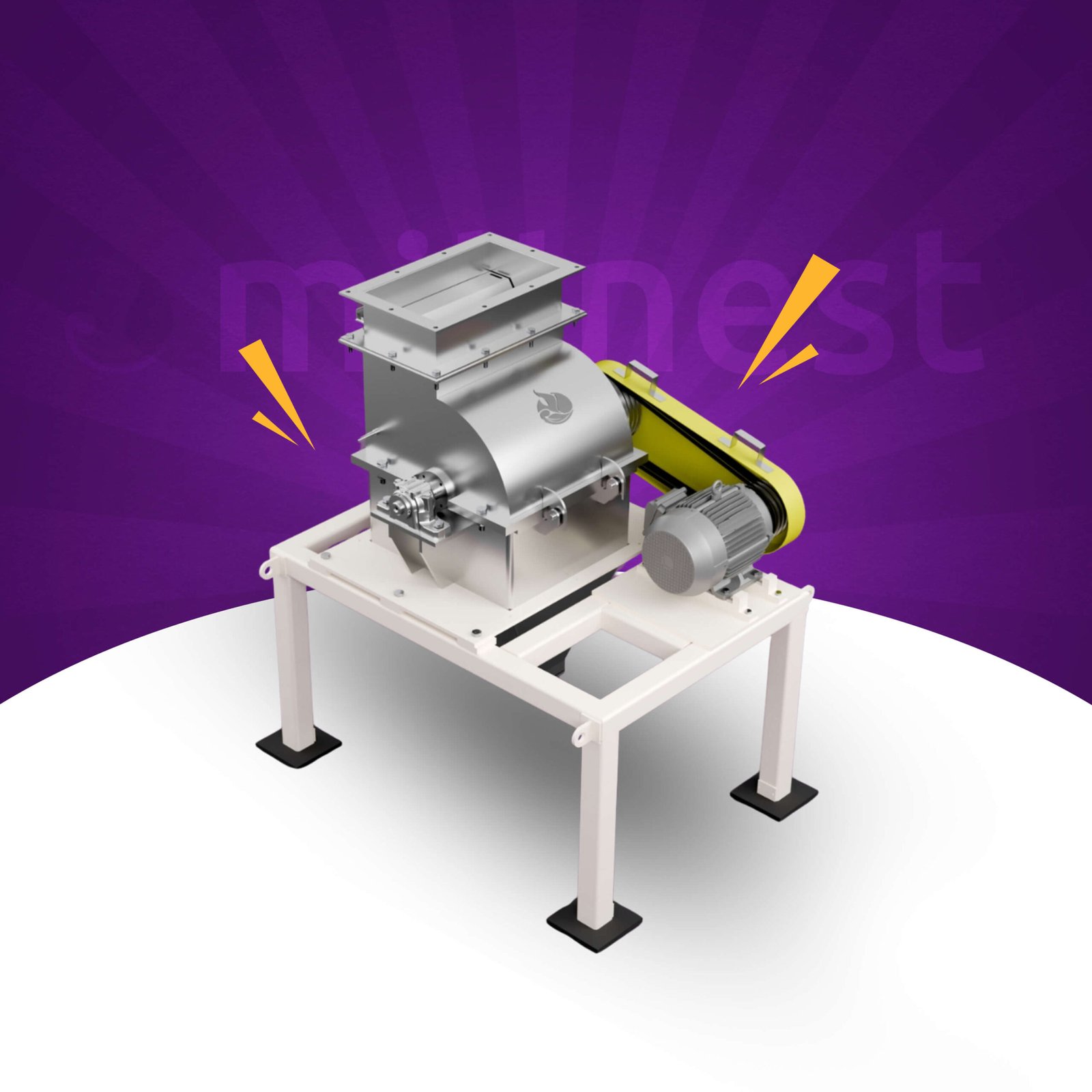
Hammer mill for chilli: The hammer mill is the workhorse for coarse-to-medium chilli powder at volume. With adjustable hammer and screen configurations and stainless steel 304/316 construction, it handles high throughput, though at the fine end its screens are exposed to chilli’s oils and to blinding. (Equipment detail: see the Hammer Mill page.)
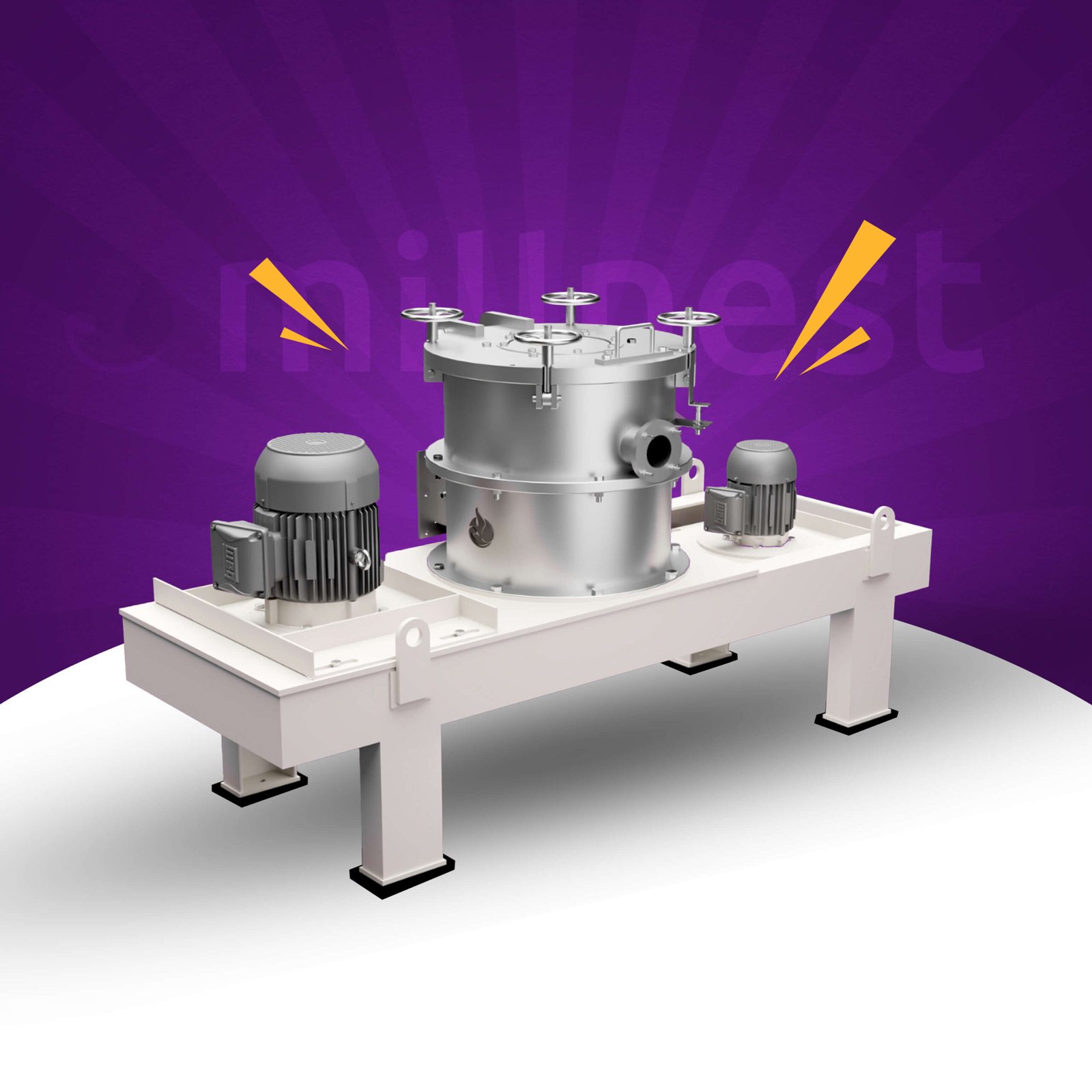
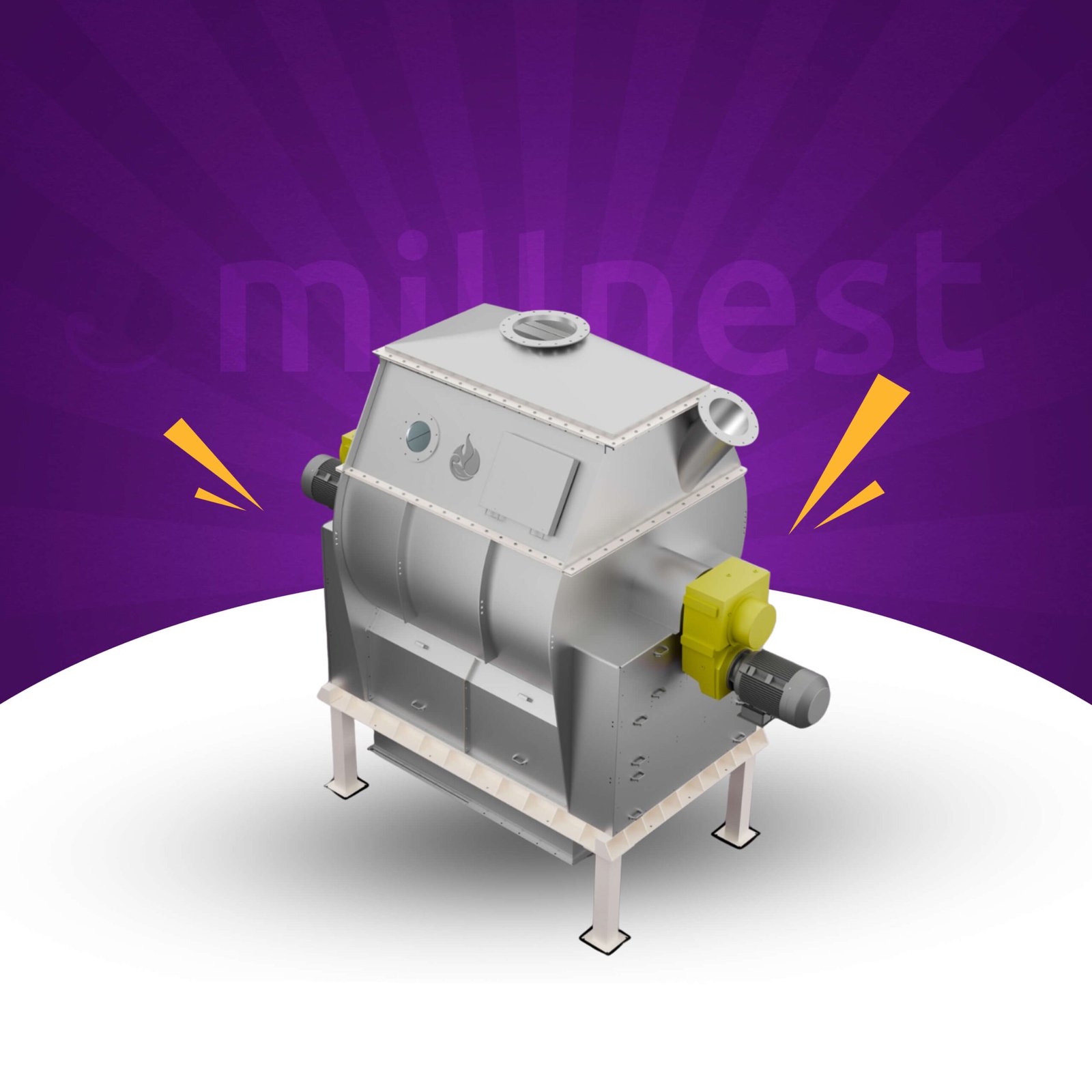
Air classifier mill for chilli processing plant: Where ultra-fine, colour-sensitive powder is the goal, the air classifying mill earns its place. By separating particles with airflow rather than a fine screen, it avoids screen blinding, holds a tight particle size, reduces overgrinding and runs cooler at the fine end — directly protecting colour and pungency. (Equipment detail: see the Air Classifying Mill page.)
For most export-focused plants, the practical answer is not one mill but a combination: a cutter mill to prepare the feed, a hammer mill for bulk size reduction, and an air classifier mill for the final fine grade.
The four challenges every chilli line must solve
Good chilli plant design comes down to engineering around four problems that are specific to red chilli. Colour: grinding heat degrades ASTA value, so temperature must be managed through cool grinding and air classification. Capsaicin dust: it harms workers and represents lost product, so the line must be sealed and de-dusted. Screen blinding: chilli’s oils clog fine screens, which is why air classification is preferred at the fine end. Microbial load: sun-dried chilli needs decontamination, which is what HT-ST sterilisation provides. A plant that answers all four reliably is producing export-grade chilli powder; one that answers only some is producing it by luck.
Designing for export compliance
Export markets are specific about what they will accept, and each requirement maps to an engineering decision in the plant. Colour is graded against ASTA standards, and protecting it means controlling mill temperature. Microbial limits — Salmonella absence and total plate count ceilings — are met through steam sterilisation. Cleanliness and dust control, increasingly part of buyer audits, come from sealed grinding and effective de-dusting. Designing the plant with these compliance targets in mind from the start is far cheaper than discovering a gap after the first rejected container.
Planning your chilli processing plant
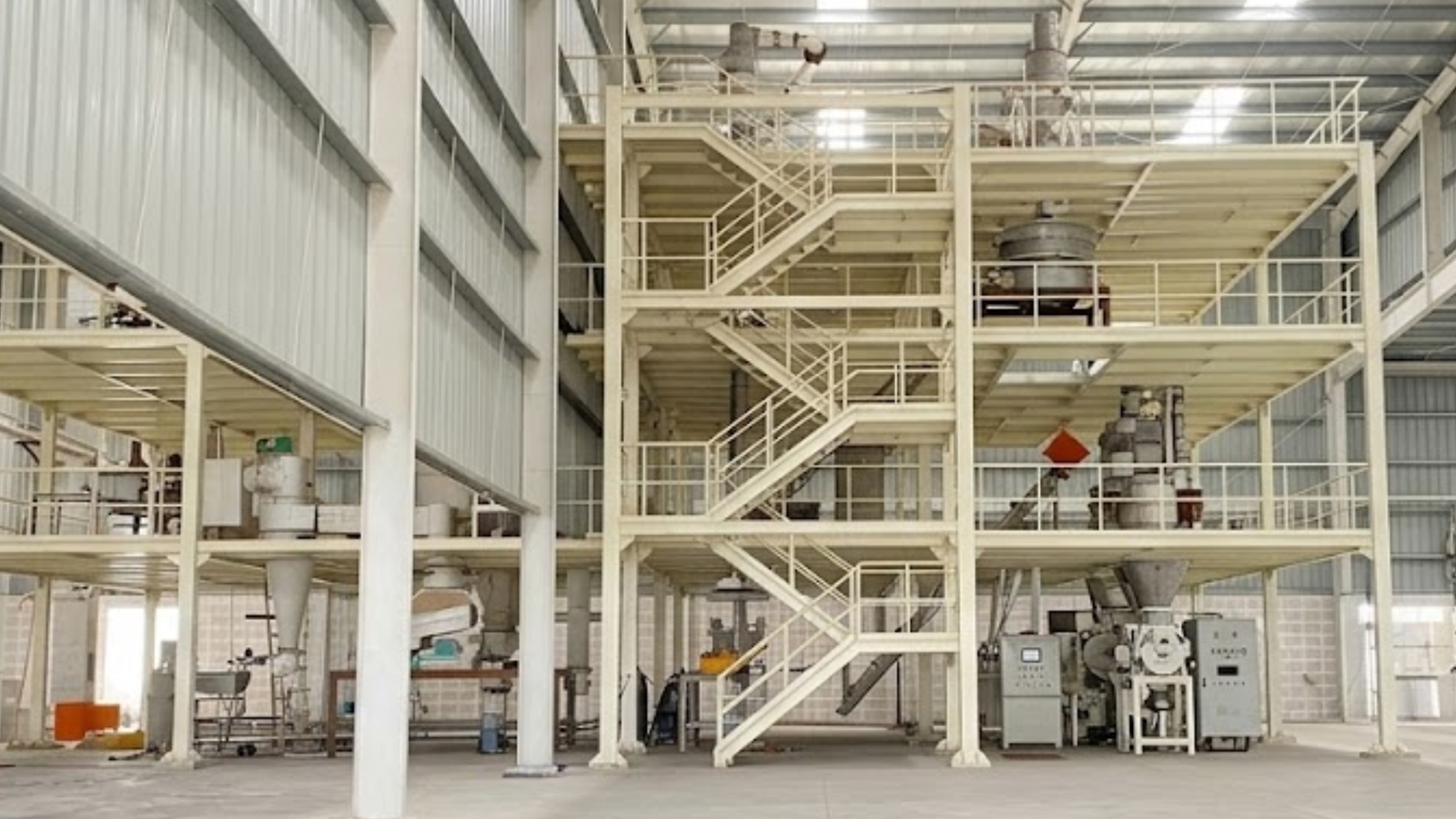
Beyond the individual machines, a chilli grinding plant has to be planned as a whole: throughput and capacity, the physical layout and material flow between stages, dust management across the building, and the degree of automation. This is where turnkey EPC design matters — the equipment is only as good as the way it is integrated, and a line assembled from independently chosen machines rarely performs like one engineered as a system.
Capacity should be matched to realistic throughput rather than peak ambition: an oversized mill run far below its design point can be as wasteful as an undersized one pushed too hard. Layout should follow the material — a logical flow from intake through cleaning, grinding, de-dusting, sterilisation and packing, with minimal back-tracking and as little open transfer as possible, where dust or recontamination could creep in. The degree of automation in feeding, weighing and packing depends on labour, volume and consistency targets, and is usually where a well-planned chilli line repays its investment over time.
As a manufacturer and supplier of chilli processing equipment in India, MillNest designs complete chilli grinding plants — from cutter mills and hammer mills to air classifying mills, de-dusting systems and HT-ST sterilisation — and confirms the configuration with a material trial on the customer’s own chilli before any commitment. If you are planning a chilli processing plant for the domestic or export market, that trial is the most reliable place to start.
Common questions about chilli processing plants
Which mill is best for chilli processing plant? It depends on the grade. For coarse-to-medium powder at volume, a hammer mill is the practical workhorse. For ultra-fine, colour-sensitive or export-grade powder, an air classifier mill is usually the better choice, because it avoids screen blinding and runs cooler at the fine end. Many plants use a cutter mill, a hammer mill and an air classifying mill together rather than choosing only one.
How do you stop chilli powder from losing its colour? Control the grinding temperature. ASTA colour is degraded by heat, so the levers are a consistent pre-broken feed, low-temperature or cryogenic grinding, and air classification instead of fine screens at the critical stage. Packing promptly after grinding helps protect both colour and aroma.
Is steam sterilisation necessary for chilli powder? For export, and for any buyer with a microbial specification, effectively yes. Sun-dried chilli carries a microbial load that buyers test for, and natural-steam HT-ST sterilisation reduces it without chemicals and without bleaching the colour.
How much does a chilli processing plant cost? It depends entirely on capacity, the grades being produced, the level of de-dusting and sterilisation required, and how much of the line is automated. The most reliable starting point is a material trial on your own chilli and a configuration matched to your target market.
To discuss a chilli processing plant for your throughput and target market, contact MillNest at enquiry@millnest.com or +91 73300 00173.