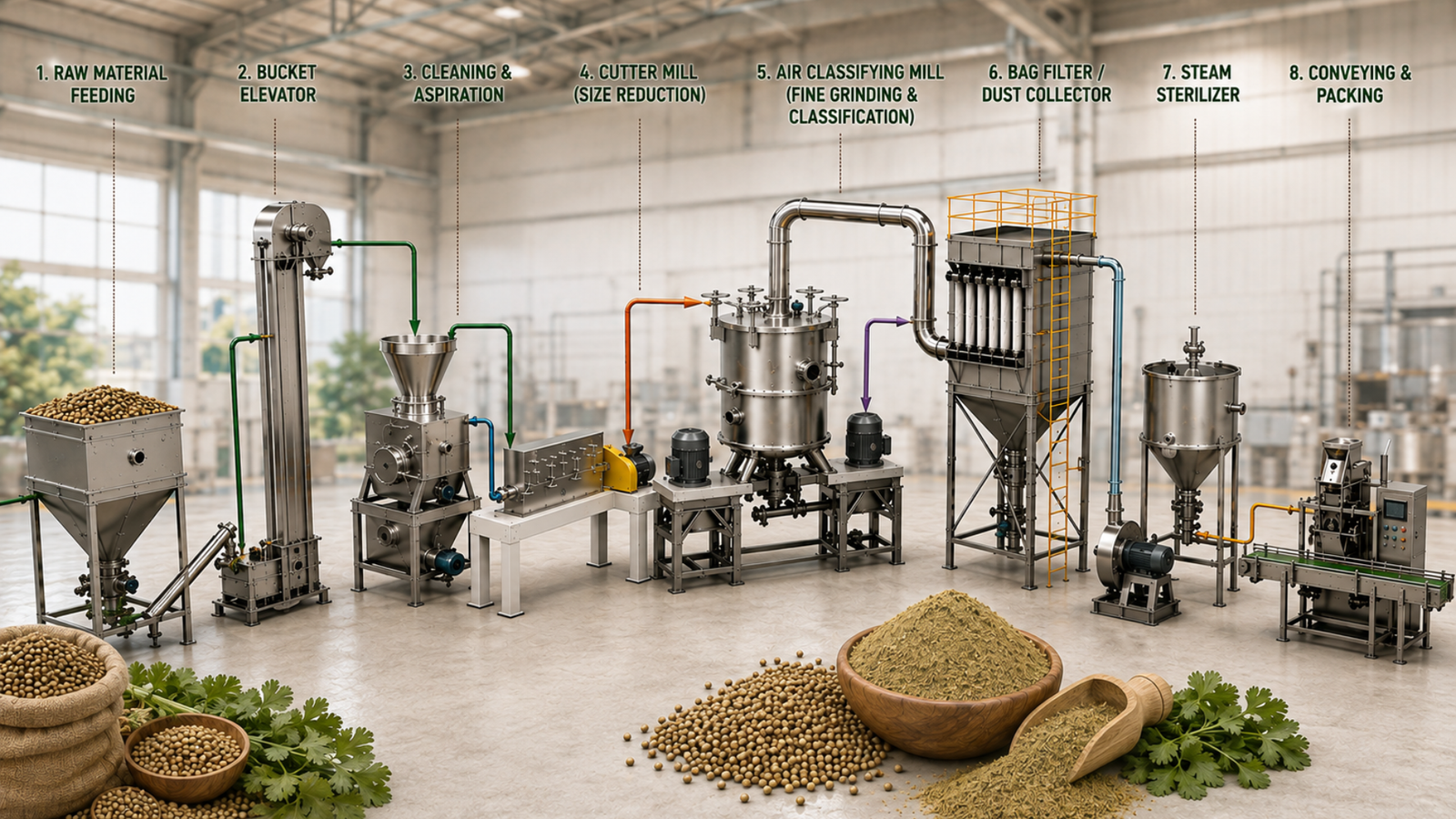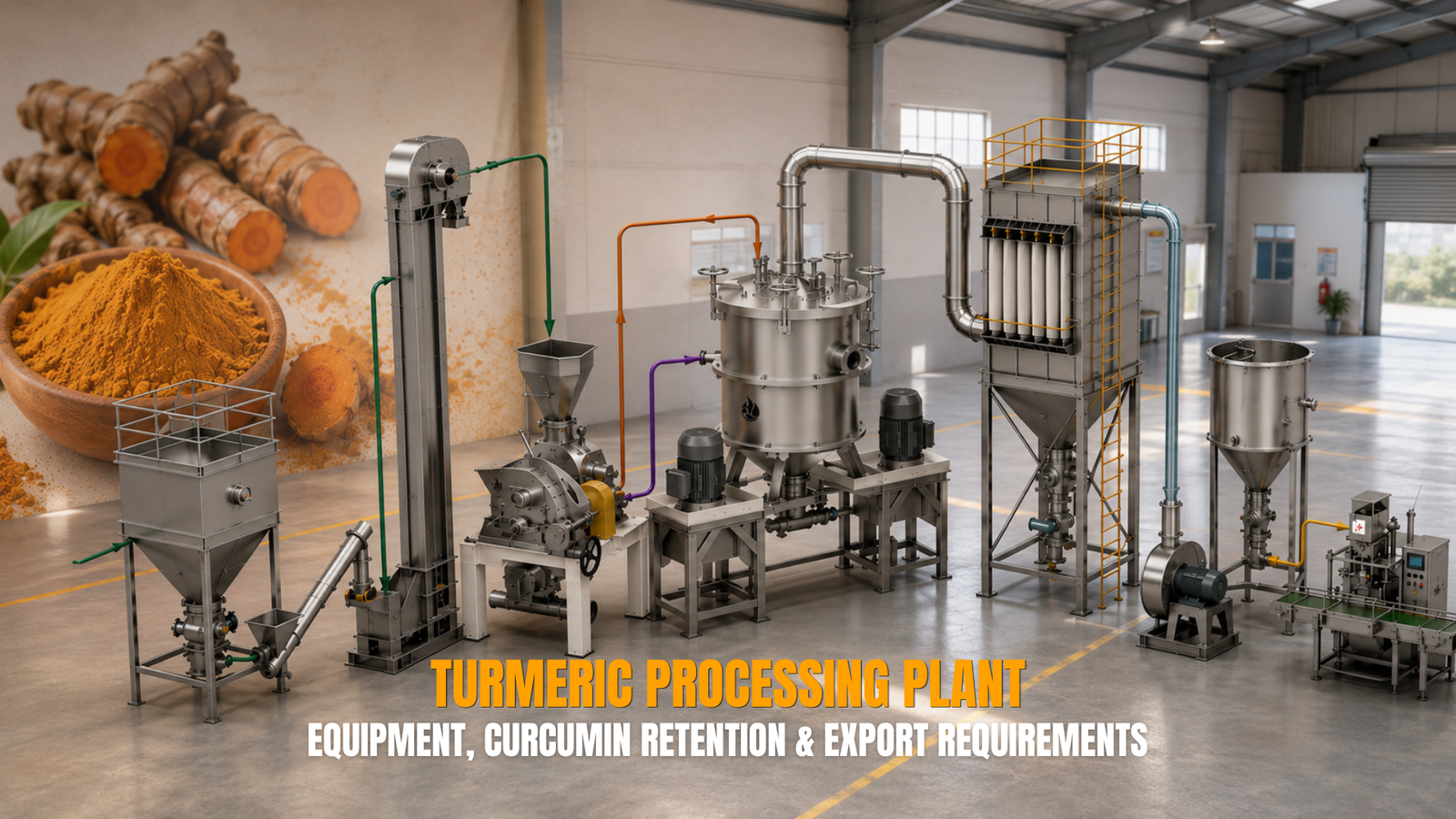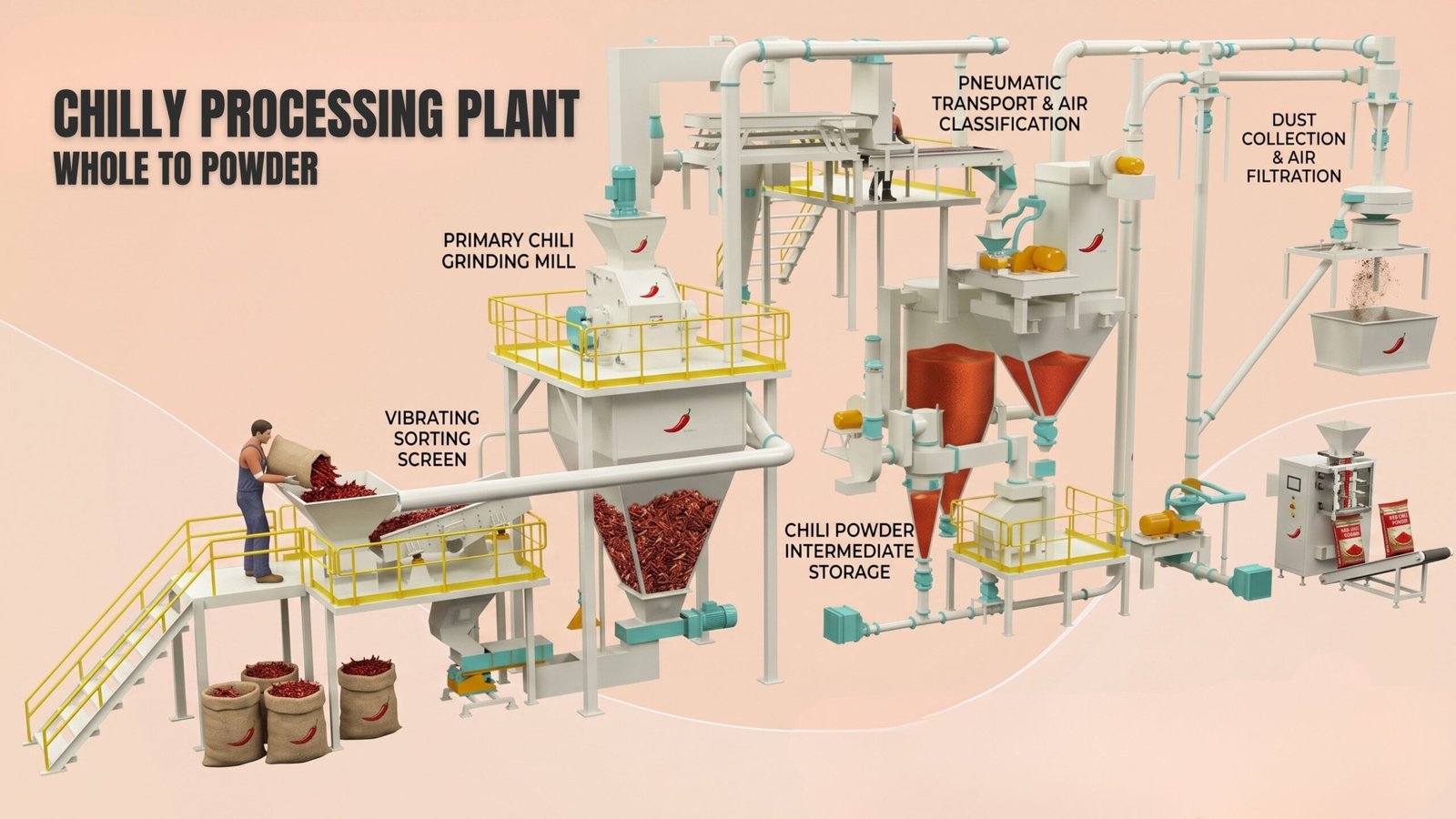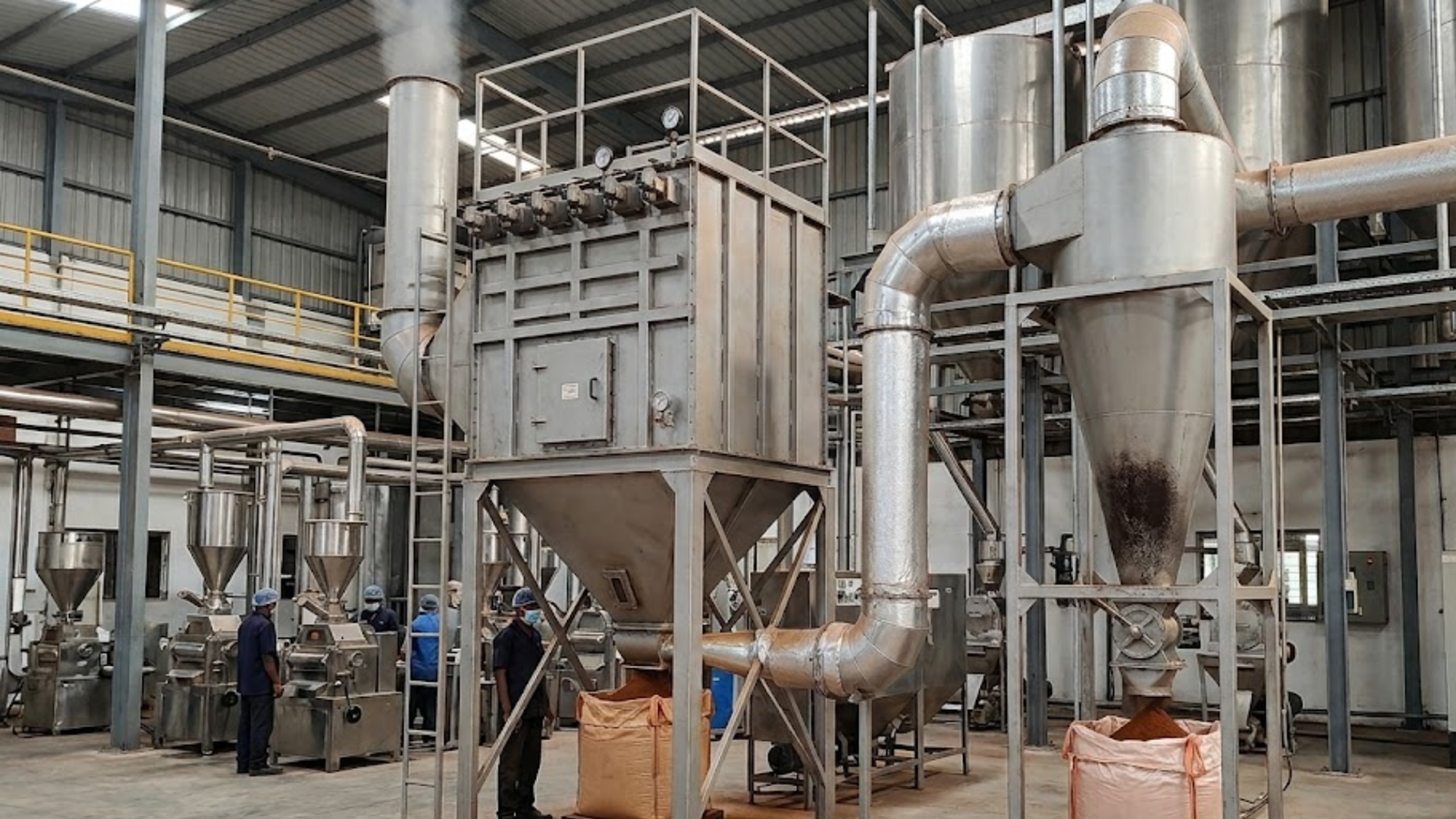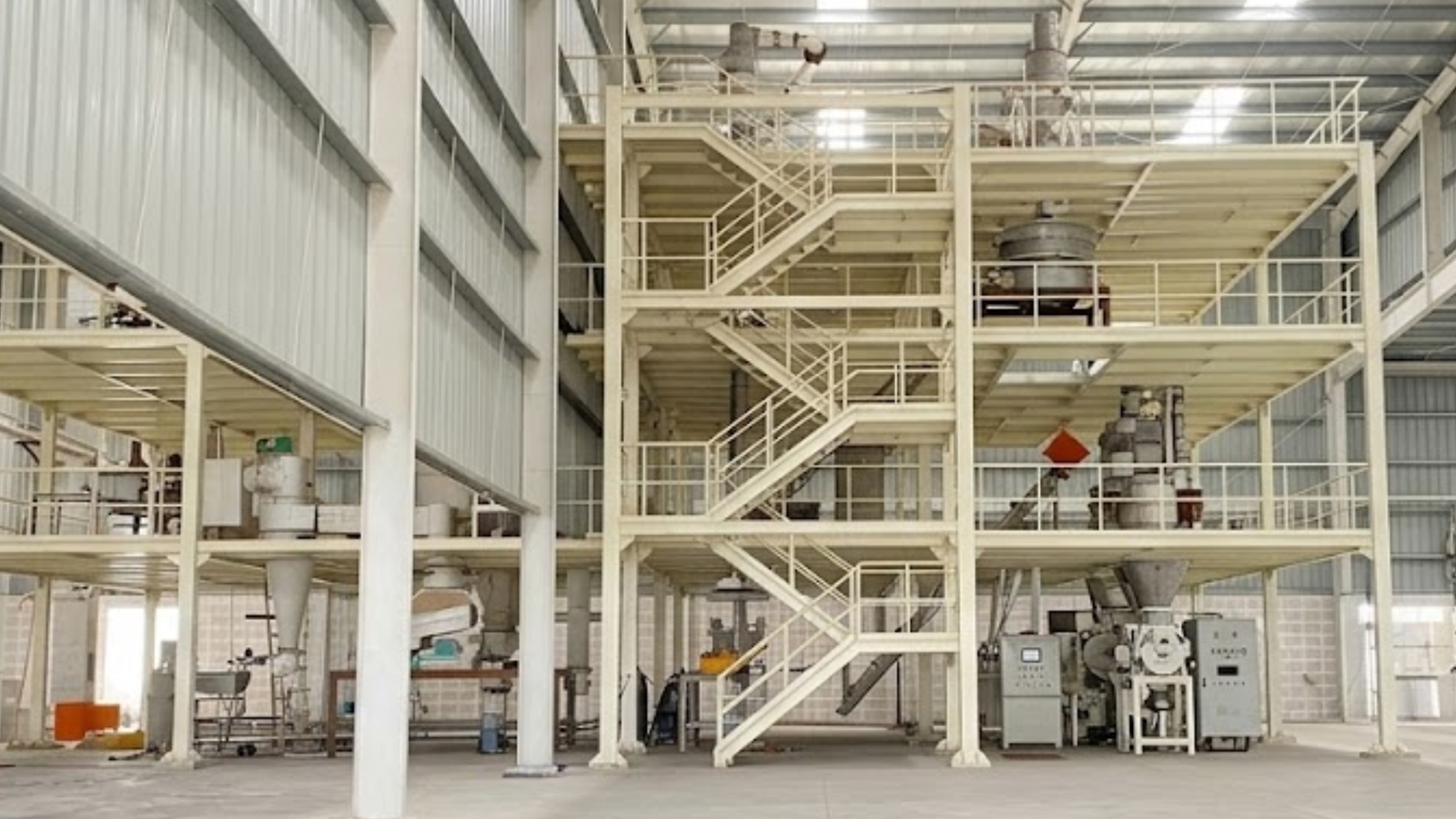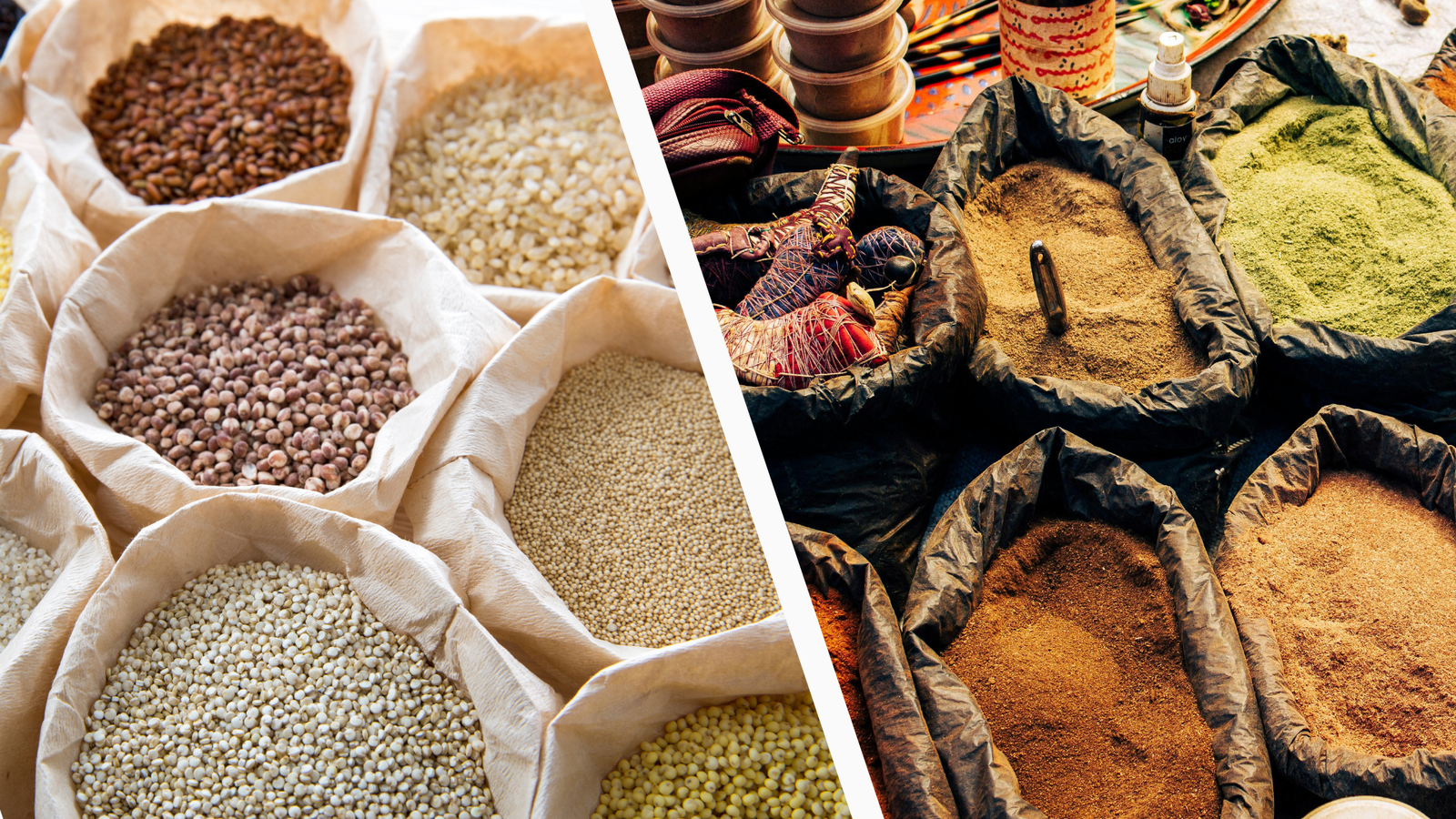
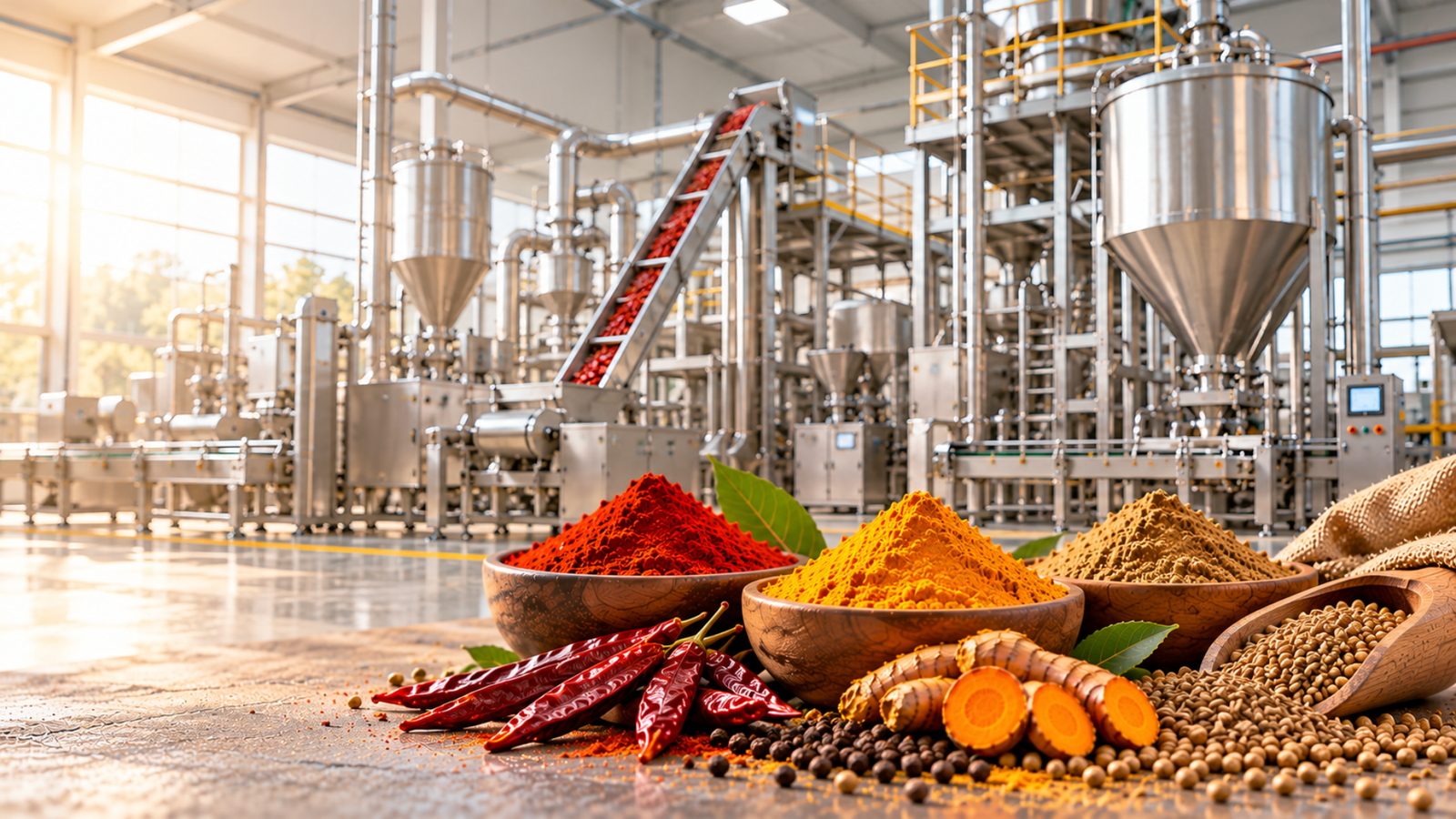
A multiline spice processing plant handles several products under one roof: single spices such as chilli, turmeric and coriander, seed spices such as cumin and fennel, and often finished masalas and blends. Done well, it lets a processor grow their product range without multiplying their quality problems. Done poorly, it turns every product switch into a risk of colour, flavour, allergen or microbial carryover.
MillNest designs and builds turnkey spice processing plants for processors moving from one product to several. This page explains how we approach multiline line design, stage by stage.
Why a multiline plant needs different thinking
Every spice behaves differently in processing:
- Red chilli releases fine, pungent dust and loses colour when ground hot. See our chilli processing line.
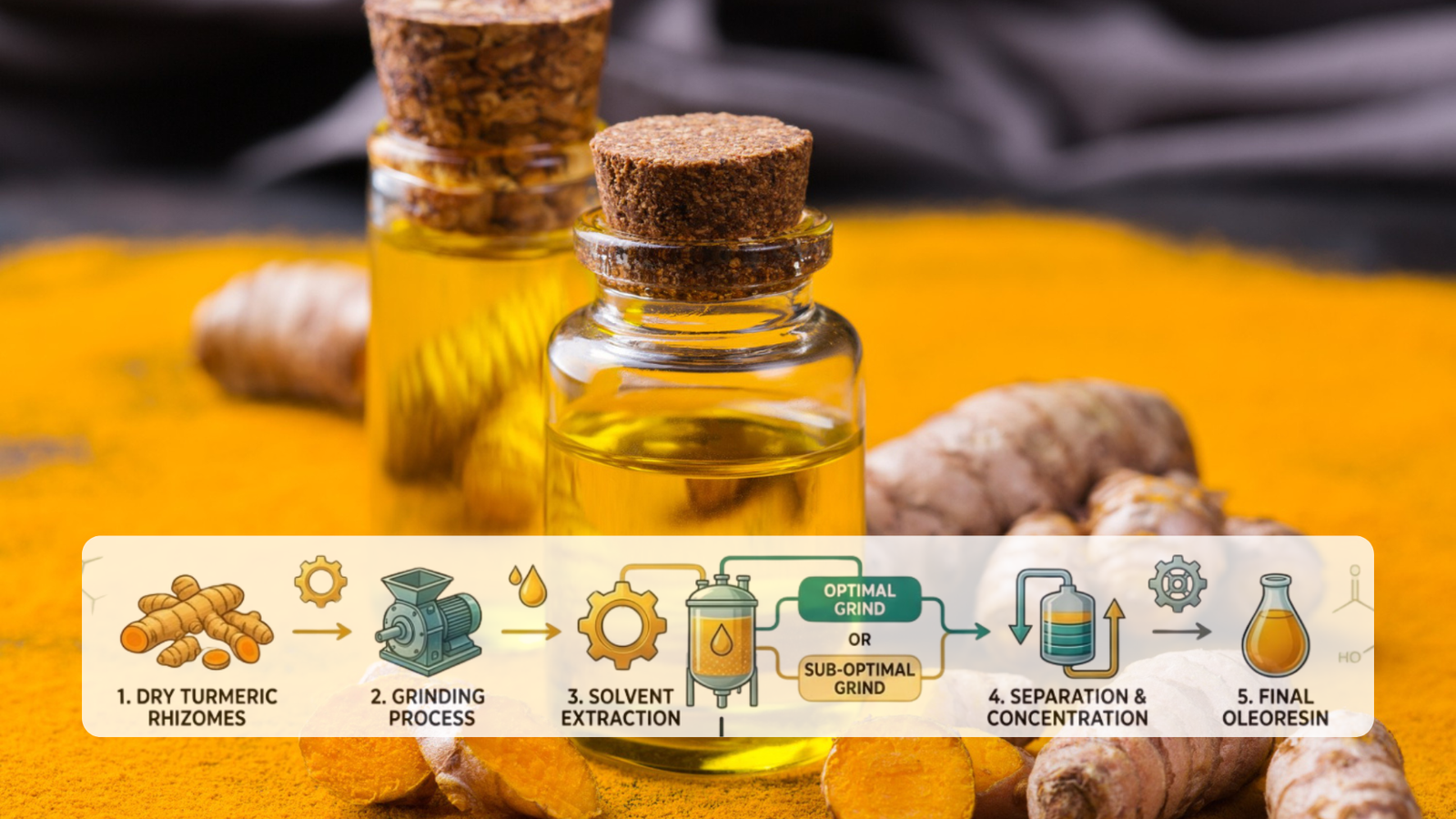
- Turmeric is hard and dense, wears grinding parts quickly and carries heat-sensitive curcumin. See our turmeric processing line.
- Coriander and seed spices carry volatile oils that escape from the moment of grinding, so speed from mill to sealed pack matters. See our coriander and seed spice processing lines.
- Black pepper combines a hard outer shell with heat-sensitive piperine and volatile oil. See our black pepper processing line.
A single-product line can be optimised for one of these. A multiline plant has to serve all of them, and that means thinking about the line as a sequence of products, not just a set of machines.
The integrated line, stage by stage
1. Intake and cleaning
Incoming raw material is cleaned of stones, stems, dust and foreign matter. Where whole spice is sold as well as powder, grading and sorting sit at this stage too.
2. HT-ST steam sterilisation
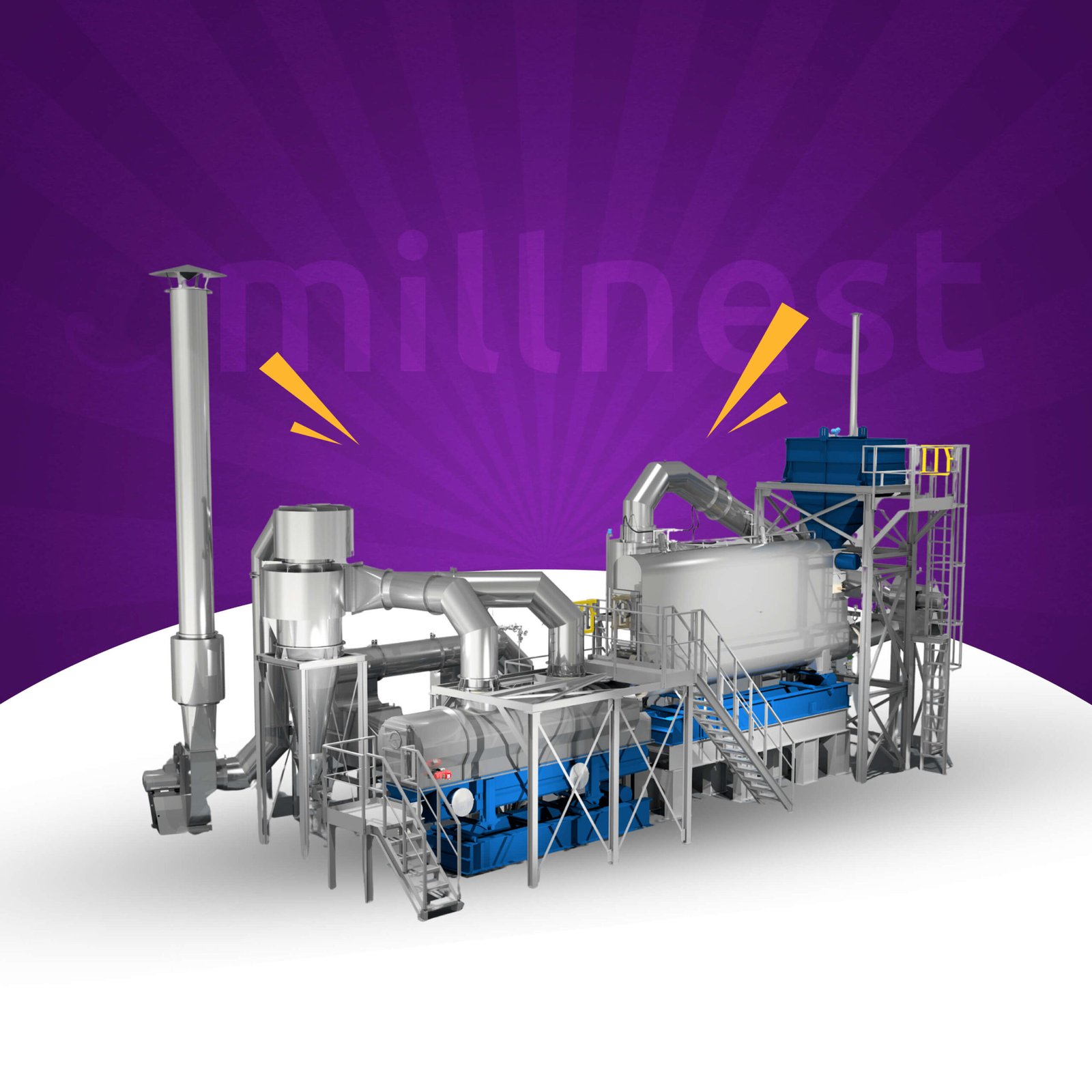
MillNest offers natural-steam HT-ST sterilisation using technology from our partner Therma Process (Netherlands). Product is treated at 102–122°C for 20–40 seconds, achieving microbial reduction of up to log 6 without chemical fumigants. Because treatment is short and the process is largely product-agnostic, one steriliser can serve several product lines, with treatment recorded per product and batch. Post-sterilisation drying returns product to target moisture before grinding.
3. Grinding matched to material behaviour
Grinding is the stage where products differ most, so it is where equipment selection matters most:
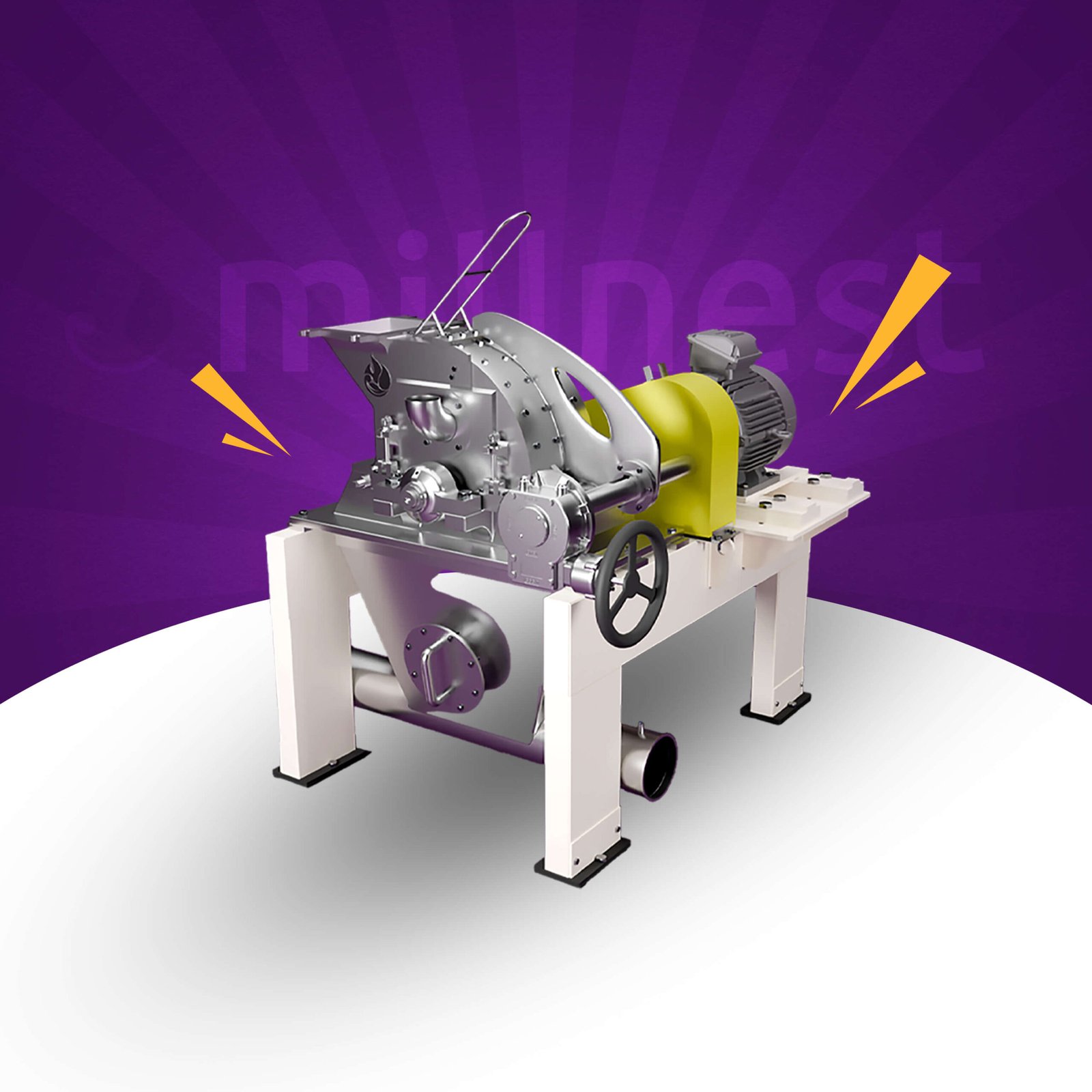
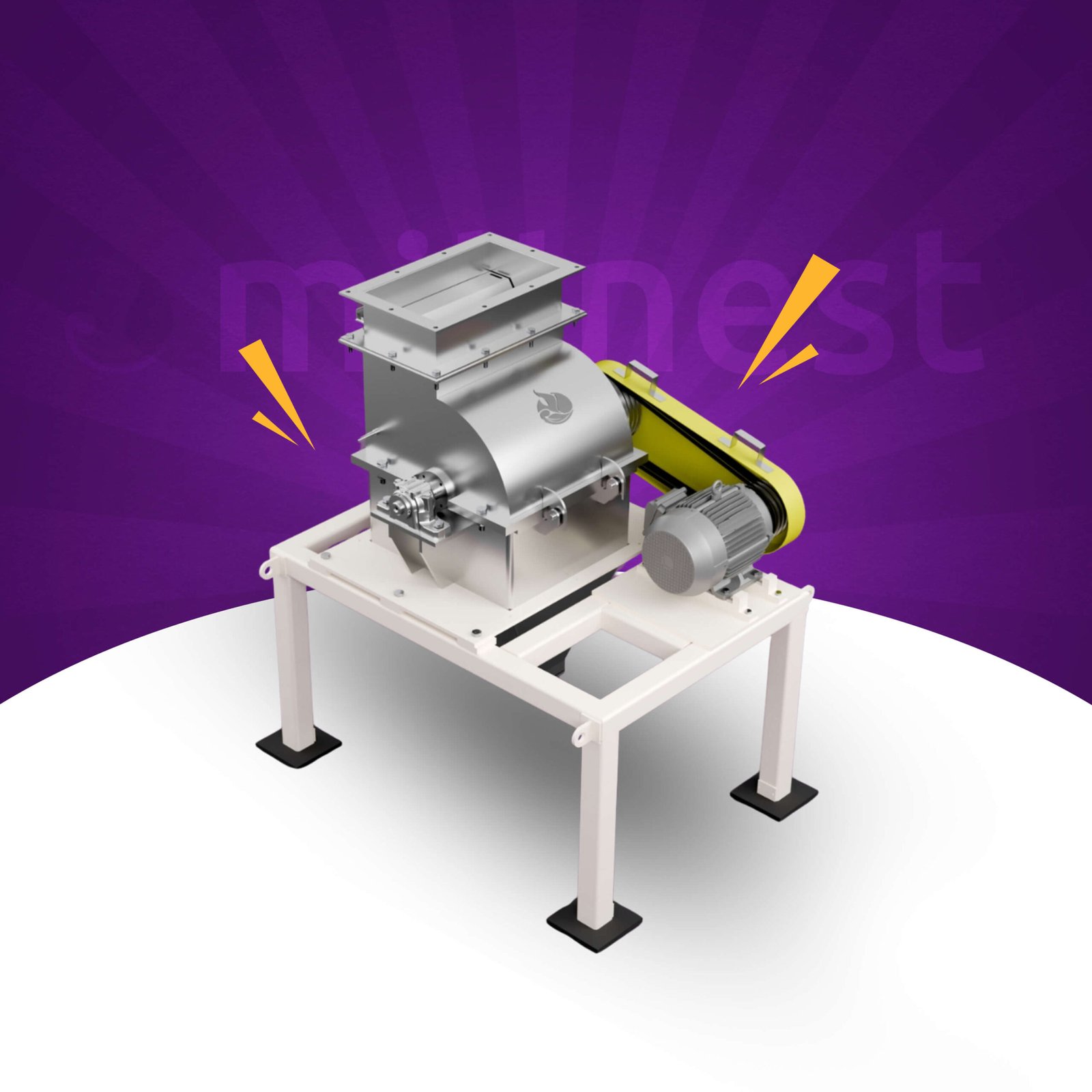
- MHAM Hammer Mill — high-speed hammers with adjustable hammer and screen configurations for coarse to fine grinding, including hard materials such as turmeric. SS 304/316 construction.
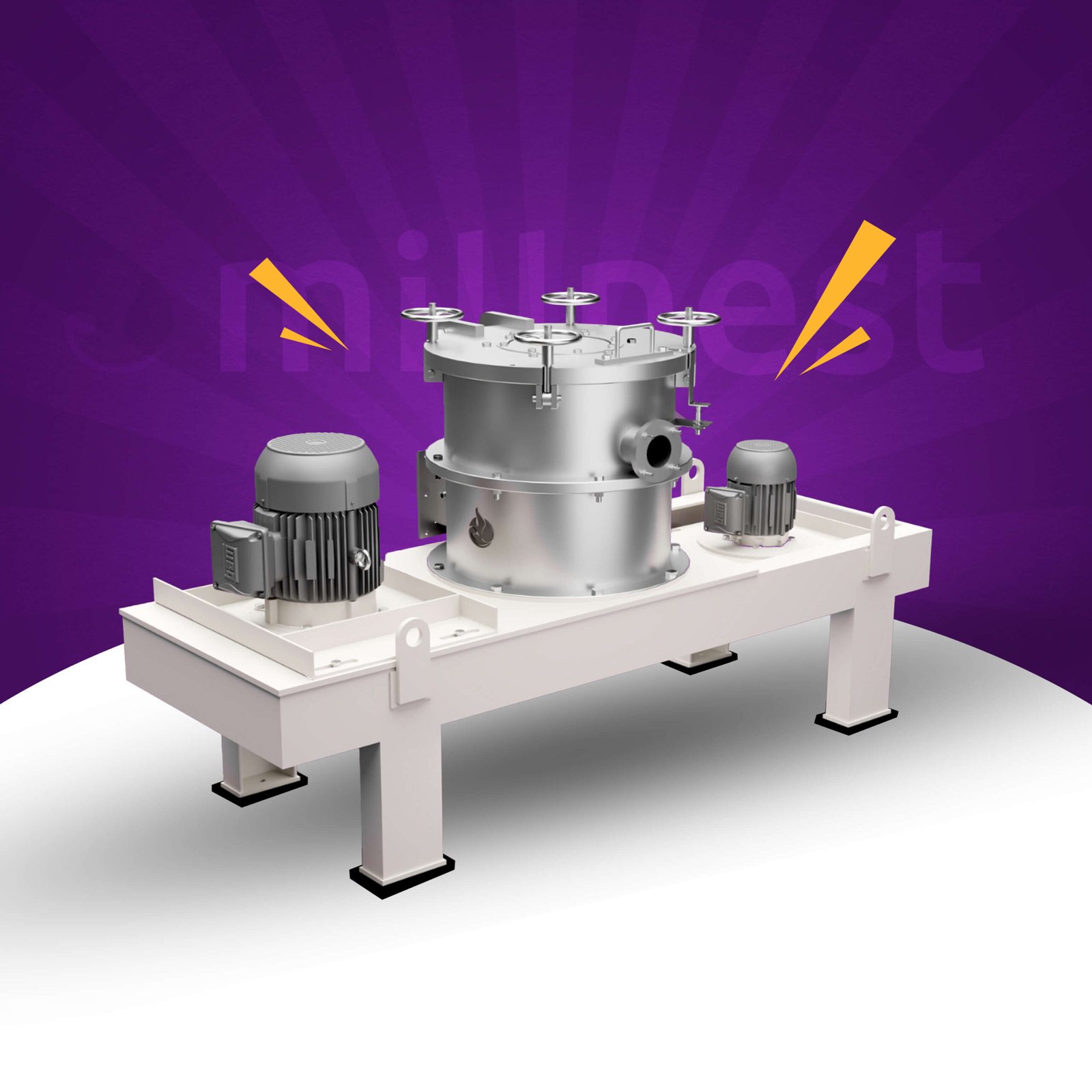
- MACM Air Classifying Mill — grinding and classification in one unit for tight particle size control and reduced overgrinding; suited to fine chilli, coriander and export-grade powders.
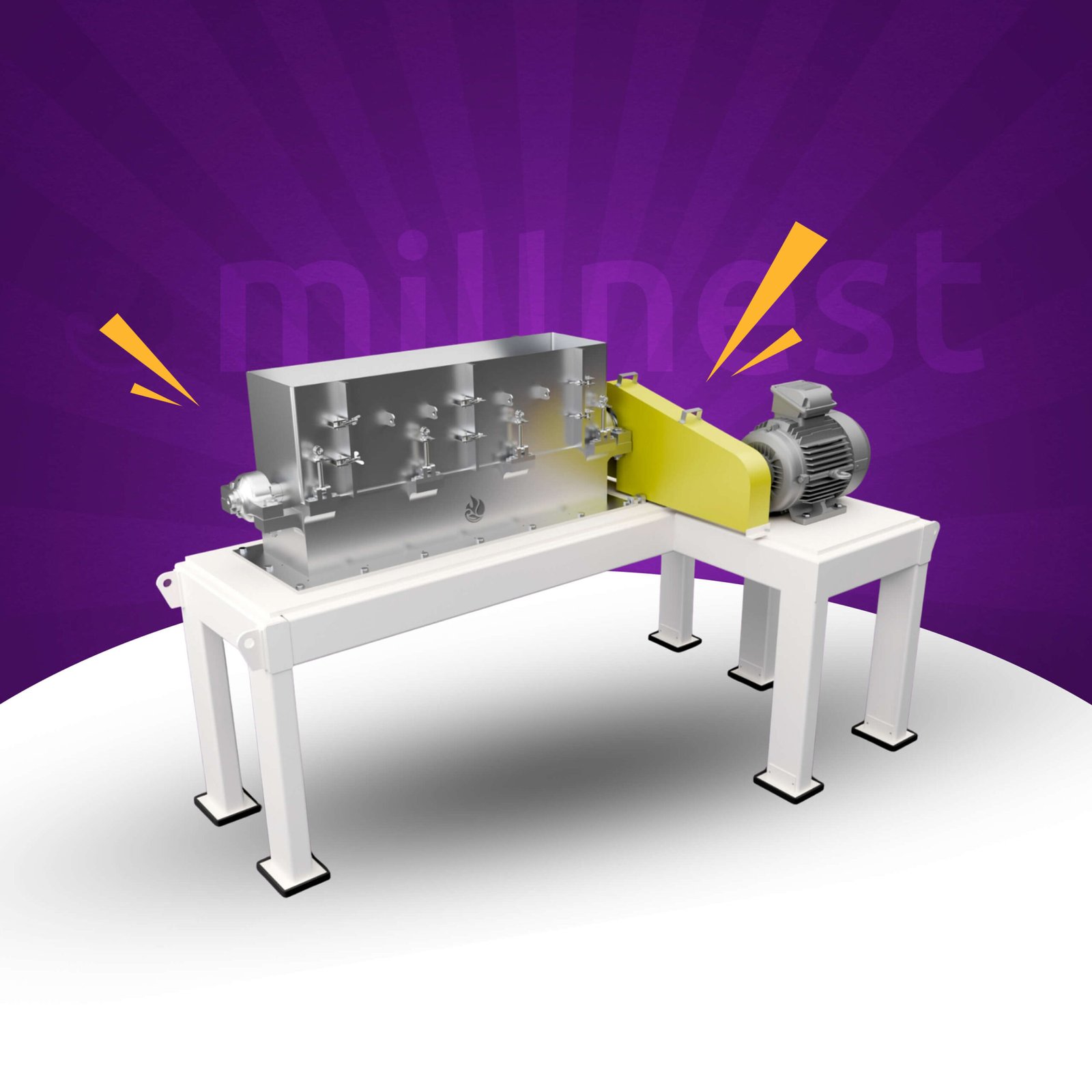
- MCUT Cutter Mill — adjustable rotary and stationary blades for fibrous and brittle materials and pre-breaking.
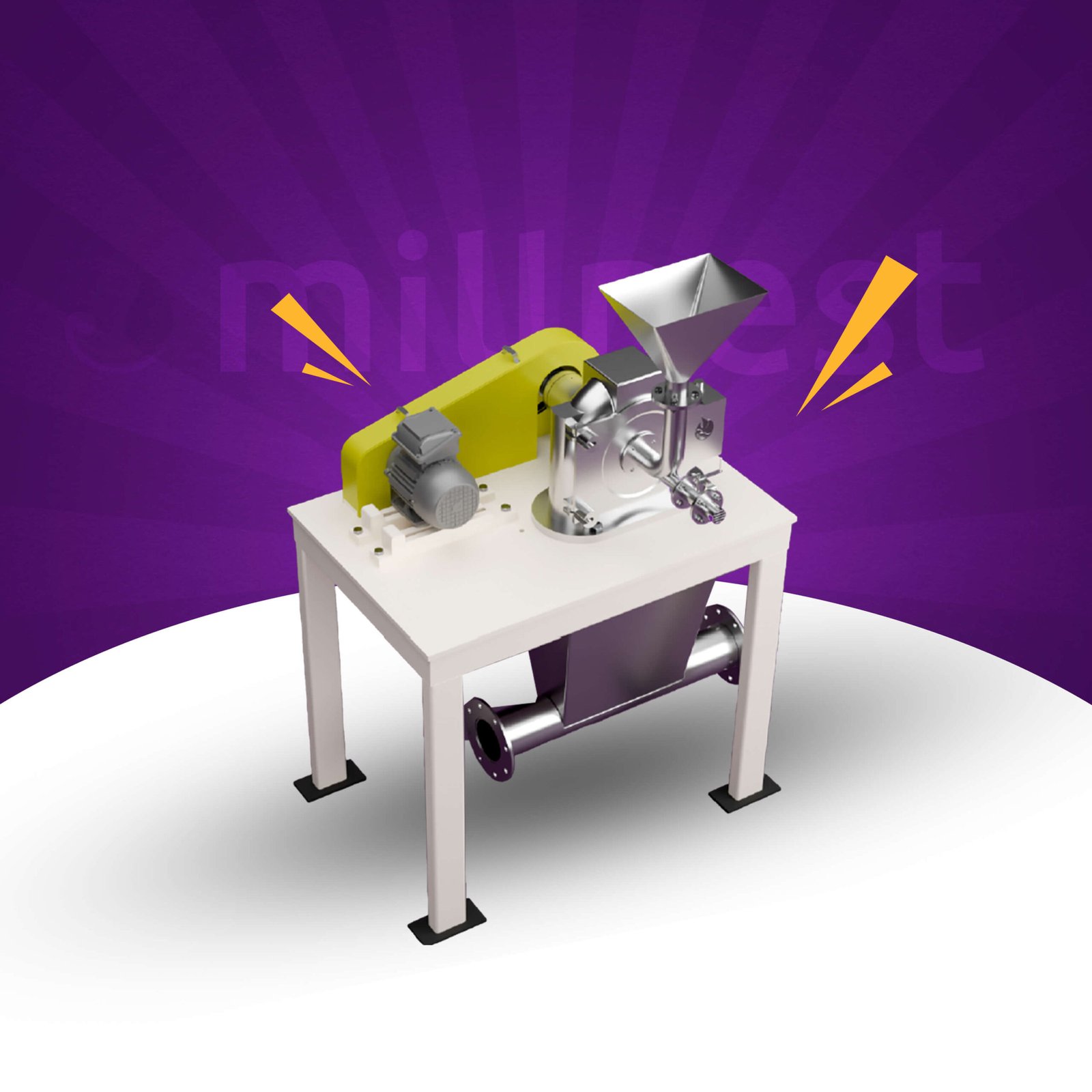
- MUNI Universal Mill — impact, shear and attrition modes with low heat generation, suited to heat-sensitive spices and seed spices.
In a multiline plant, we assign mills to products by how the materials behave, and dedicate grinding where carryover or conflicting requirements make sharing costly.
4. Sifting
Sifting confirms mesh specification and returns oversize to the mill.
5. Enclosed pneumatic conveying
MillNest pneumatic conveying systems move powder between mill, sifter, blender and packing inside closed lines. In a multiline plant this matters for three reasons: it keeps dust off the plant floor, it keeps each product on its own path, and it shortens the time aroma-sensitive powders spend exposed. Conveying lines are routed so that sterilised product does not pass through equipment that has carried untreated material.
6. Recipe-managed blending
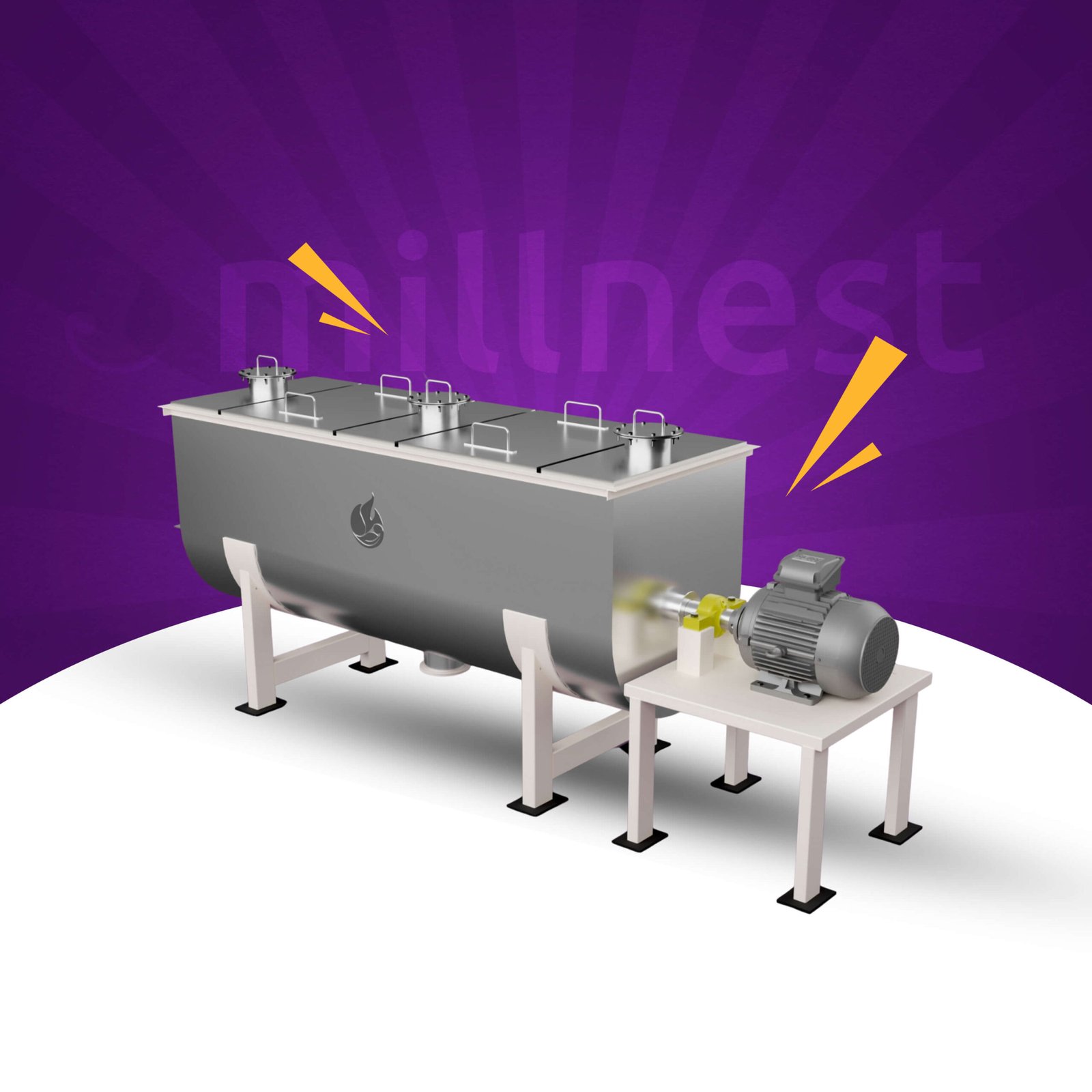
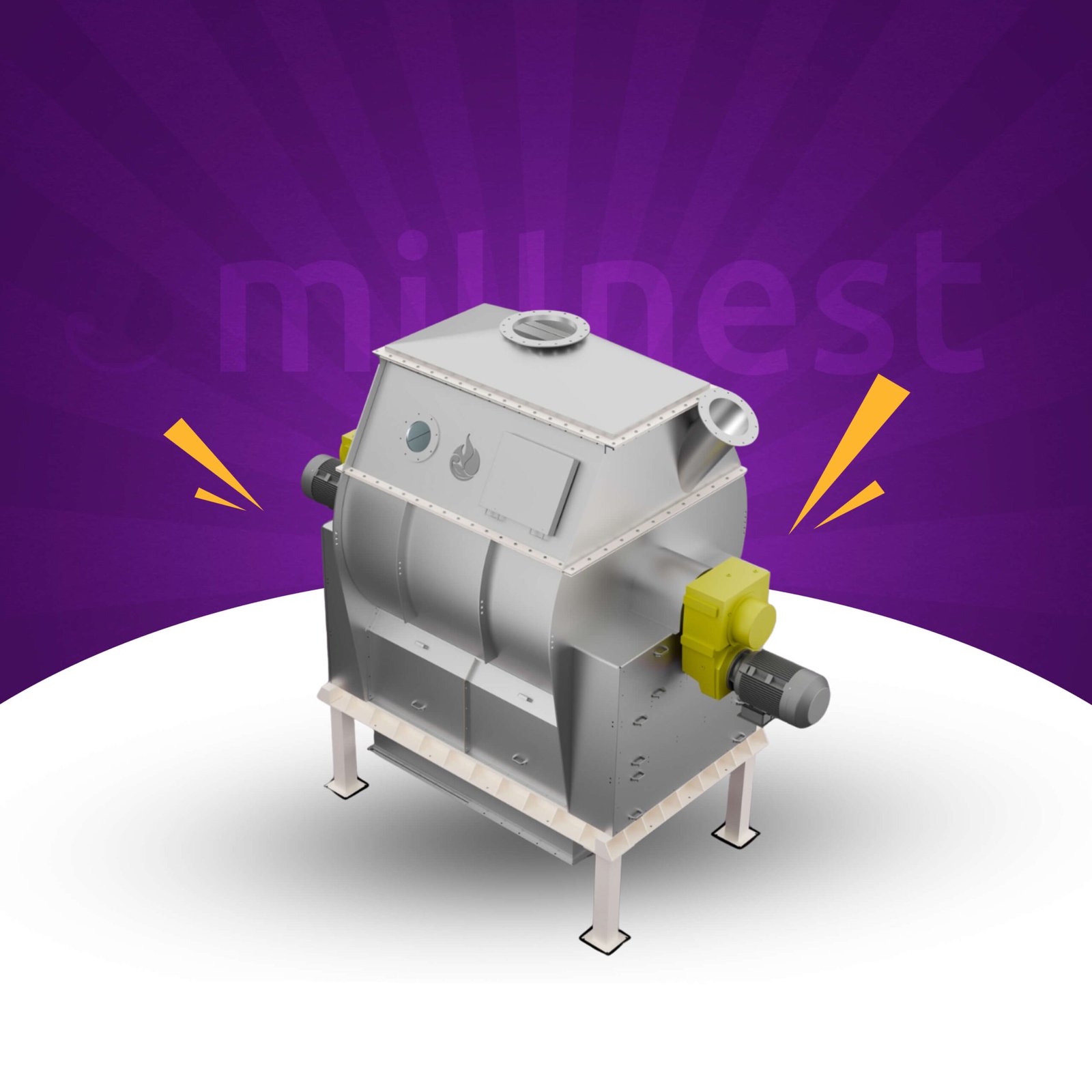
Where the plant produces masalas and seasonings, single-spice powders converge at the blender. MillNest ribbon blenders (MRBL) and paddle blenders (MPBL) can be supplied with recipe management, so each blend runs to its stored recipe on every shift. Paddle blenders handle challenging mixes including sticky materials, with strategically angled paddles for uniform mixing and a discharge design for complete material removal, which reduces waste and cleaning time between recipes.
7. Packing
Finished powder moves to metal detection and packing. For aroma-sensitive spices, the time from mill to sealed pack should be as short as possible.
Shared vs dedicated equipment
Not every machine needs to be duplicated. As a general guide:
- Usually shared: sterilisation, blending (with complete discharge and sensible sequencing), packing.
- Often dedicated: grinding, where materials conflict in hardness, heat sensitivity or dust load; de-dusting for high-dust zones.
- Case by case: conveying and sifting, depending on product risk and cleaning access.
We work through this decision with each customer against their actual product list and volumes.
Changeover and cross-contact control
In a multiline plant, many quality failures happen between products rather than within them: colour from chilli or turmeric carried into lighter powders, pungency carried into mild products, or allergens such as mustard or celery (listed allergens under EU labelling rules) carried into products sold without them. MillNest lines are designed for changeover: quick access to grinding chambers and screens, smooth stainless contact surfaces, enclosed transfer and complete discharge. We also recommend product sequencing (light to dark, mild to pungent, allergen-free first) and recorded cleaning at every switch.
Plant layout and dust zoning
Layout is the hardest decision to change later. We separate high-dust grinding zones from aroma-sensitive grinding and packing, match de-dusting to each zone (cyclones for larger particles, pulse-jet bag filters for fine dust), and arrange the plant so that sterilised product flows forward without crossing untreated areas.
Who a multiline plant is for
- Single-spice processors adding a second or third product.
- Exporters who need documented cross-contact control and sterilisation records.
- Masala and seasoning brands bringing grinding and blending in-house.
- Processors consolidating several small lines into one planned plant.
Frequently asked questions
What is a multiline spice processing plant?
A multiline spice processing plant processes several products, such as chilli, turmeric, coriander and blends, in one facility, using a combination of shared and dedicated equipment. It is designed so that each product gets the processing it needs without carryover from the others.
Can one mill grind chilli, turmeric and coriander?
It can, but it is rarely the best choice. These spices differ in hardness, heat sensitivity and dust load, so a single mill is usually a compromise, and every switch needs a thorough clean. Many plants dedicate grinding by product group.
Can one steriliser serve several product lines?
Yes. HT-ST steam sterilisation at 102–122°C for 20–40 seconds is largely product-agnostic, so one steriliser can serve several lines, with treatment recorded per product and recontamination controlled after treatment.
Why use pneumatic conveying in a spice plant?
Enclosed pneumatic conveying keeps dust contained, keeps products on separate paths and reduces the time powders spend exposed, which helps both cross-contact control and aroma retention.
What is recipe management in blending?
Recipe management stores each blend’s recipe so it runs the same way every time, and supports traceability of which ingredient lots went into each batch.
Does MillNest offer turnkey multiline plants?
Yes. MillNest provides EPC solutions covering line design, equipment, sterilisation (with Therma Process technology), conveying, blending and installation, configured around each customer’s product mix.
CTA: Planning to add products to your plant? Share your product list, volumes and target markets with us at enquiry@millnest.com or call +91 73300 00173.